Summary
On the morning of April 24, 2026, the price of oil reached $106.01 per barrel. This price uses Brent crude as the main global standard. This represents a significant increase of $2.34 from just one day earlier. Compared to the same time last year, oil prices have climbed by about $39, showing a major shift in the global energy market over the past twelve months.
Main Impact
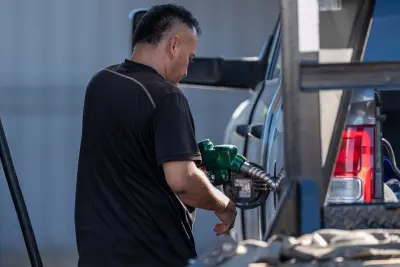
Rising oil prices have a direct effect on the daily lives of people everywhere. When the cost of a barrel of oil goes up, it usually leads to higher prices at the gas pump. However, the impact goes beyond just driving. Because almost everything we buy needs to be moved by trucks, ships, or planes, higher fuel costs often lead to more expensive groceries and household goods. This trend can make it harder for families to manage their monthly budgets as the cost of living rises across the board.
Key Details
What Happened
As of 9 a.m. Eastern Time on April 24, the market saw a steady climb in oil costs. The price of $106.01 shows that the market is currently facing pressure. While prices are slightly lower than they were one month ago, the long-term trend over the last year shows a massive increase. This volatility is often caused by a mix of international conflict, changes in how much oil is being pumped, and how much energy big countries are using.
Important Numbers and Facts
To understand where the price stands, it helps to look at recent history. Yesterday, oil was trading at $103.67, meaning the price jumped by more than 2% in a single day. One month ago, the price was higher at $111.49, which shows that while prices are up today, they have come down slightly from the recent peak. The most shocking comparison is from one year ago, when oil was only $66.64 per barrel. This means the price has surged by nearly 60% in just one year.
Background and Context
Oil prices are usually measured by two main standards: Brent crude and West Texas Intermediate (WTI). Brent is used to set prices for most of the oil traded around the world, while WTI is the main standard for North America. Experts often look at Brent to get a better idea of the global situation.
The relationship between oil and gas prices is often described as "rockets and feathers." This means that when oil prices go up, gas station prices shoot up quickly like a rocket. But when oil prices go down, gas prices tend to drop slowly, like a falling feather. This happens because gas stations have to cover their own costs and taxes, and they are often slow to lower prices until they are sure their own costs will stay down.
The United States also keeps a "backup tank" of oil called the Strategic Petroleum Reserve. This is a massive store of oil kept for emergencies, such as natural disasters or wars that stop the normal flow of energy. While it can help lower prices for a short time during a crisis, it is not a permanent solution for high energy costs.
Public or Industry Reaction
The energy industry is currently on high alert due to several global problems. The International Energy Agency (IEA) recently warned that millions of barrels of oil are missing from the daily global supply with no clear way to replace them quickly. This shortage is made worse by the closure of the Strait of Hormuz, a vital water path for oil tankers. Additionally, shipping costs have spiked, with some companies paying millions of dollars in extra fees to move goods through the Panama Canal. In the United States, places like California are already feeling the pinch with fuel shortages caused by a combination of bad timing and international conflict.
What This Means Going Forward
Looking ahead, oil prices will likely remain hard to predict. The balance between supply and demand is very delicate. If wars continue or new trade blocks are put in place, prices could stay high. On the other hand, changes in government policy can also play a role. For example, the U.S. government has recently moved to open more land in the Arctic for oil drilling. While this could increase the amount of oil available in the future, it takes a long time for new drilling to actually bring more fuel to the market. For now, consumers should prepare for continued changes in what they pay for energy and basic goods.
Final Take
The current price of $106.01 per barrel is a reminder of how much global events control the cost of our daily lives. While prices change every minute in the trading markets, the long-term rise over the last year suggests that high energy costs may be a challenge for some time. Staying informed about these shifts helps people understand why their bills are changing and what to expect in the coming months.
Frequently Asked Questions
How is the price of oil decided?
The price is mostly set by supply and demand. If there is a lot of oil and people don't need much, the price goes down. If there is a shortage or a war that might stop oil from moving, the price goes up. Decisions by groups like OPEC and government policies on drilling also change the price.
How often does the price change?
The price of oil changes constantly throughout the day whenever the markets are open. Traders buy and sell "futures" contracts, which are agreements to buy oil at a certain price later on. Every time a trade happens, the price can move up or down.
Why does expensive oil make food cost more?
Most food is grown on farms that use diesel-powered machinery and then moved to stores by large trucks. When oil is expensive, it costs more to run the tractors and fill the truck tanks. To cover these extra costs, stores and food companies raise the prices of the items on the shelves.