Summary
As of the morning of April 27, 2026, the price of oil is holding at $106.73 per barrel. This price uses Brent crude, which is the standard for most of the world. While this is a small decrease of 32 cents from the previous day, it shows a major increase of about $40 compared to the same time last year. These high prices continue to affect the cost of living and the price of fuel for drivers across the country.
Main Impact
The high cost of oil has a direct effect on the global economy and everyday life. When oil prices stay above $100, it usually leads to higher prices for gasoline, heating, and even groceries. Because oil is used to transport almost everything we buy, expensive fuel makes shipping more costly for companies. These businesses then pass those costs on to shoppers, which keeps inflation high and puts pressure on household budgets.
Key Details
What Happened
Oil prices saw a slight dip today, falling by about 0.29%. Even with this small drop, the overall trend for the year remains upward. Over the last month, prices have climbed by nearly 5%, and the jump from last year is even more dramatic at nearly 60%. Traders are watching supply levels and global events closely to see if the price will stay at this high level or start to come down.
Important Numbers and Facts
To understand where the market stands, it helps to look at the data from the past year:
- Current Price: $106.73 per barrel.
- Price Yesterday: $107.05 (a decrease of 0.29%).
- Price One Month Ago: $101.70 (an increase of 4.94%).
- Price One Year Ago: $67.07 (an increase of 59.13%).
These figures show that while daily changes might seem small, the long-term rise in energy costs has been very steep for consumers and businesses alike.
Background and Context
Oil prices are usually measured by two main standards. Brent crude is the global benchmark used to price most of the oil traded around the world. West Texas Intermediate, or WTI, is the main standard used in North America. Currently, experts look at Brent to get the best idea of how the global market is performing.
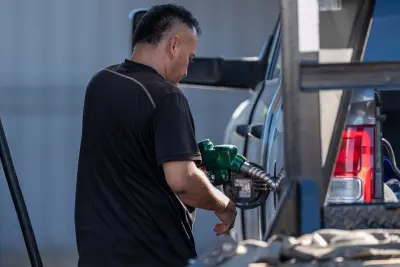
The price you see at the gas pump is heavily influenced by these oil prices. Crude oil usually makes up more than half of what you pay for a gallon of gas. The rest of the cost comes from taxes, the work done at refineries, and the profit made by local gas stations. A common problem for drivers is that gas prices often go up quickly when oil prices rise, but they tend to drop very slowly when oil prices go down. This is sometimes called the "rockets and feathers" effect.
Public or Industry Reaction
The U.S. government uses the Strategic Petroleum Reserve to help manage these price spikes. This is a large store of oil kept for emergencies like wars or natural disasters. While it can provide some quick relief to the market, it is not a permanent fix for high prices. In the industry, some leaders are calling for more investment. For example, the CEO of Chevron recently noted that countries like Venezuela need to do more to fix their oil industries if they want to help increase the global supply.
At the same time, domestic production in the U.S. has not grown fast enough to bring prices down significantly. Political changes also play a role. Recent shifts in policy have reopened parts of the Arctic for drilling, reversing previous rules that limited where companies could look for oil. These decisions often spark debate between those who want more energy production and those who want to protect the environment.
What This Means Going Forward
Predicting the future of oil is difficult because it depends on many things that can change quickly. Supply and demand are the biggest factors. If a war breaks out or the economy slows down, the price can swing in either direction in a matter of hours. High oil prices also make other energy sources, like natural gas, more popular. When oil is expensive, some factories switch to natural gas to save money, which then drives up the price of that fuel as well.
Final Take
While today’s small price drop might seem like good news, the reality is that oil remains much more expensive than it was just a year ago. As long as prices stay near or above $100, consumers should expect to see high costs at the pump and in the store. The energy market is currently in an unsteady state, and any major global event could send prices climbing again.
Frequently Asked Questions
How is the price of a barrel of oil decided?
The price is mostly set by how much oil is available and how much people want to buy. News about wars, new drilling laws, and decisions made by oil-producing countries also cause the price to move up or down.
Why do gas prices stay high even when oil prices drop?
This happens because gas stations and wholesalers often wait to see if the oil price drop will last before they lower their own prices. This is why gas prices seem to "shoot up like a rocket" but "fall like a feather."
What is the Strategic Petroleum Reserve?
It is a large supply of oil owned by the U.S. government. It is meant to be used during emergencies, such as a major storm or a war, to make sure the country has enough fuel to keep essential services running.