
Summary
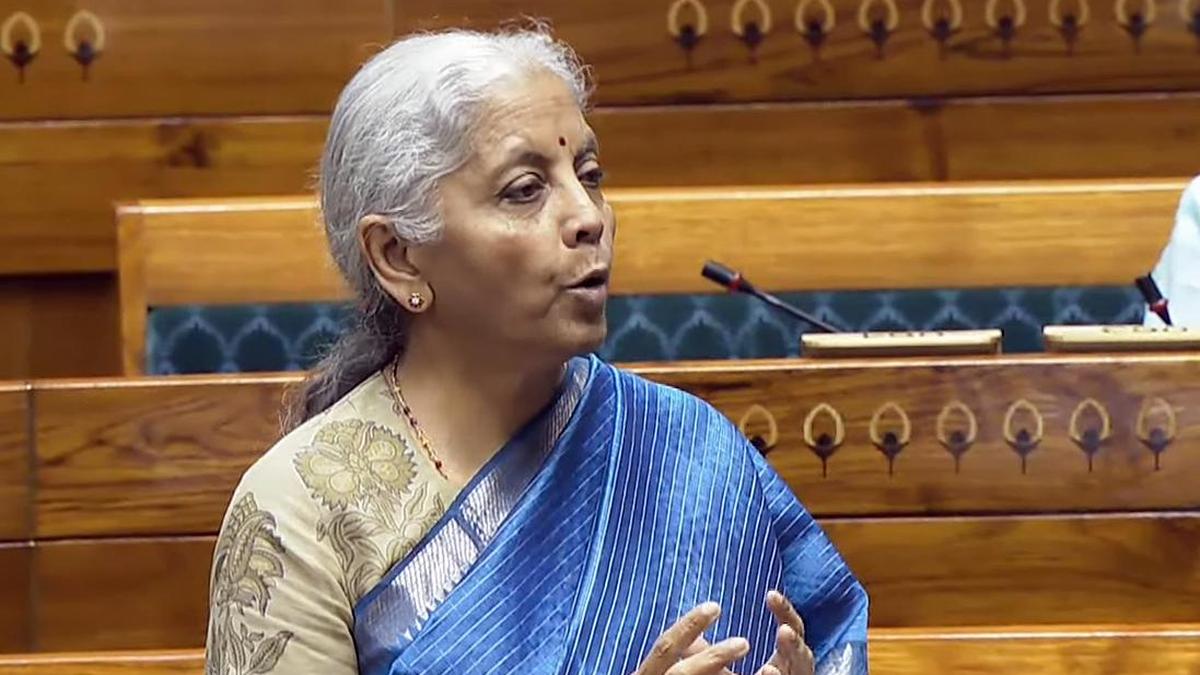
Finance Minister Nirmala Sitharaman has strongly rejected claims made by Tamil Nadu Chief Minister M.K. Stalin regarding farmer incentives. During a recent election rally, Stalin alleged that the Central government advised the state to stop giving extra money to paddy farmers. He claimed the Centre was worried about having too much rice production. Sitharaman called these statements completely false and suggested they were made only to gain an advantage in the upcoming elections. This disagreement has become a major talking point for voters in agricultural regions.
Main Impact
The dispute between the state and central leaders has created confusion among the farming community in Tamil Nadu. Farmers rely on these extra payments, known as incentives, to manage their rising costs. If the public believes the Central government is trying to cut these benefits, it could significantly change the political mood before the Assembly elections. The Finance Minister’s quick response aims to protect the Centre’s reputation and reassure farmers that their financial support is not at risk. This situation highlights how agricultural policy is often used as a tool during political campaigns.
Key Details
What Happened
On April 10, Chief Minister M.K. Stalin spoke at an election event in Thanjavur. Thanjavur is often called the "rice bowl" of the state because it produces a large amount of paddy. During his speech, he told the crowd that the Central government had sent a message to the Tamil Nadu government. He claimed this message told the state to stop providing additional financial incentives to farmers who sell their rice to the government. Stalin argued that the Centre felt the current production levels were too high and wanted to slow them down.
Important Numbers and Facts
The Central government sets a Minimum Support Price (MSP) for crops across India. This is the lowest price at which the government buys crops from farmers. On top of this MSP, the Tamil Nadu government adds its own "incentive" payment to help local farmers earn more. This extra money is a key part of the state's agricultural budget. The Finance Minister clarified that there is no official record or letter from the Centre asking for these payments to stop. She emphasized that the Central government has actually increased its spending on food procurement over the last few years to help more farmers across the country.
Background and Context
Paddy farming is the backbone of the economy in many parts of Tamil Nadu. The process of procurement involves the government buying rice directly from farmers so it can be distributed to the poor through the public system. Because the cost of seeds, water, and labor keeps going up, farmers often struggle to make a profit. The state incentive is designed to bridge the gap between the cost of farming and the final selling price. In an election year, any talk of cutting these funds becomes a very sensitive issue. Political leaders often use these topics to show they are the true defenders of the working class.
Public or Industry Reaction
The reaction to these statements has been divided along political lines. Supporters of the state government expressed worry that the Centre might be overstepping its bounds. They fear that a reduction in incentives would lead to a financial crisis for rural families. On the other hand, supporters of the Central government and the Finance Minister say that the Chief Minister is spreading misinformation. Agricultural experts have noted that the Centre usually encourages more production to ensure food security for India’s large population. Many farmers' unions are now asking for clear written proof from both sides to understand the truth of the matter.
What This Means Going Forward
As the election date gets closer, the debate over farmer welfare will likely get even louder. The state government will continue to present itself as a shield against Central policies, while the Central government will work to show that its programs are helping everyone. This conflict might lead to more transparency in how agricultural policies are communicated between the state and the Centre. In the long run, farmers will be looking for a guarantee that their income will stay stable regardless of which party is in power. The outcome of this debate could decide which way the rural vote swings in the next election.
Final Take
The clash between M.K. Stalin and Nirmala Sitharaman shows that agricultural issues remain at the heart of Indian politics. While the Chief Minister uses the topic to rally his supporters, the Finance Minister is focused on debunking what she calls false claims. For the farmers on the ground, the most important thing is not the political argument, but the actual money that reaches their bank accounts. Clear and honest communication from both levels of government is the only way to ensure that the people who grow the nation's food feel secure and respected.
Frequently Asked Questions
What is a paddy incentive?
A paddy incentive is an extra payment given by the state government to farmers on top of the standard price set by the Central government. It helps farmers cover their costs and earn a better living.
Why did the Finance Minister call the claims "baseless"?
Nirmala Sitharaman stated that there is no evidence or official order from the Central government asking Tamil Nadu to stop its incentive program. She believes the claims were made only for political reasons during the election.
Why is Thanjavur important in this story?
Thanjavur is a major rice-producing region in Tamil Nadu. Because so many people there rely on farming, it is a key place for political leaders to talk about agricultural policies and farmer support.



