
Summary
The Indian government has launched a new rural employment scheme called VB-G RAM G that focuses on water security and disaster preparedness. This program is designed to help rural areas deal with possible rain shortages caused by El Nino weather patterns. Local village councils, known as gram panchayats, can now take up projects that protect against disasters and climate change. The scheme also aims to create jobs while building important rural infrastructure.
Main Impact
The new scheme puts water conservation at the center of rural employment efforts. States that are already facing low rainfall must now focus on saving water and preparing for emergencies. This shift means that instead of just creating jobs, the program now directly tackles the growing threat of water shortages and extreme weather events in villages. The move is expected to help millions of rural workers while making communities more resilient to climate risks.
Key Details
What Happened
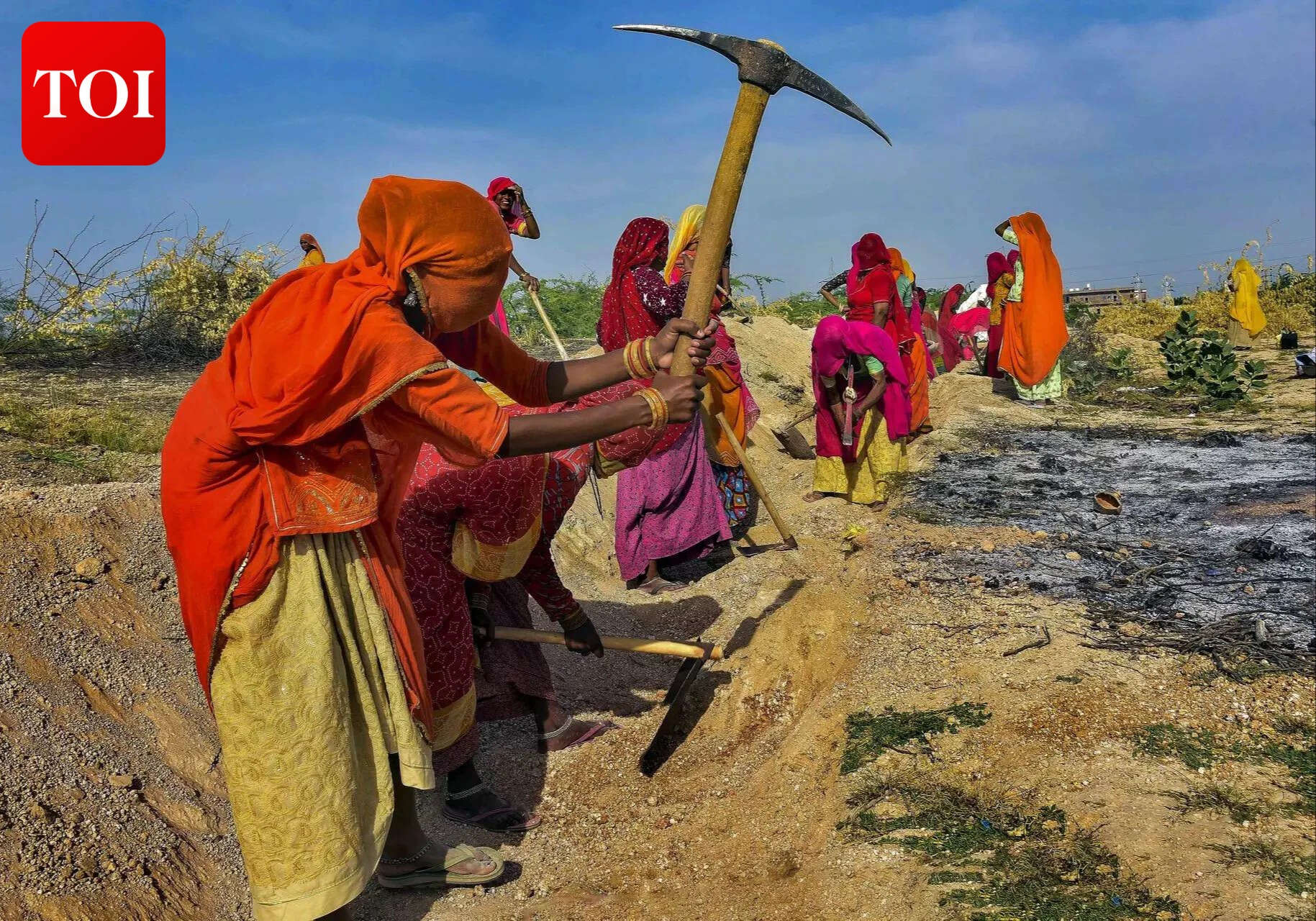
The government introduced the VB-G RAM G rural employment scheme as an updated version of existing work programs. The main goal is to make water security a top priority. Under this scheme, gram panchayats can plan and execute projects that help villages prepare for natural disasters and adapt to climate change. This includes building check dams, digging ponds, and creating water harvesting structures.
Important Numbers and Facts
The scheme targets states that are expected to face rainfall deficits due to El Nino conditions. These states must strengthen their water conservation efforts and create enough jobs for rural workers. The program also focuses on improving core rural infrastructure like roads, drainage, and community buildings. While exact budget figures were not released, the scheme is part of the larger rural employment framework that guarantees work to millions of households.
Background and Context
India's rural employment program has been a key safety net for poor families for many years. It guarantees 100 days of paid work per year to rural households. However, climate change has made traditional farming and water sources less reliable. El Nino weather patterns often cause droughts and water shortages in many parts of India. By linking employment with water security, the government hopes to address both job creation and climate adaptation at the same time.
Public or Industry Reaction
Experts and rural development groups have welcomed the focus on water security. Many say this is a practical step that connects employment with real needs in villages. Farmers and local leaders have also expressed support, noting that water conservation projects create long-term benefits for communities. Some critics, however, have raised concerns about whether gram panchayats have enough technical skills to plan and execute such projects effectively.
What This Means Going Forward
The success of this scheme will depend on how well local bodies can implement water security projects. States with high rainfall deficits will need to act quickly to start conservation work. The program could become a model for linking social welfare with climate action in other countries. If done right, it could help millions of rural families become more resilient to droughts and floods while earning a steady income.
Final Take
The VB-G RAM G scheme marks a smart shift in how India approaches rural employment. By making water security the main focus, the program tackles two big problems at once: job creation and climate adaptation. This approach could set a new standard for rural development in the years ahead.
Frequently Asked Questions
What is the VB-G RAM G rural employment scheme?
It is a new government program that gives priority to water security and disaster preparedness projects in villages. Local councils can use it to create jobs while building water conservation structures and other important infrastructure.
How does this scheme help with water shortages?
The scheme focuses on projects like check dams, ponds, and rainwater harvesting systems. These structures help save water during rainy seasons and make it available during dry periods, reducing the impact of droughts.
Who can benefit from this scheme?
Rural workers who need employment can benefit from the jobs created under this scheme. Communities in states facing rainfall deficits will also benefit from better water security and disaster preparedness.



