
Summary
Tamil Nadu Chief Minister M.K. Stalin has officially started the first unit of the Udangudi Supercritical Thermal Power Project in the Thoothukudi district. This new facility adds 800 megawatts (MW) of electricity to the state’s power grid, marking a major step toward energy independence. Along with the power plant, the Chief Minister also launched several other infrastructure projects aimed at improving roads, water supply, and public services across the region. These developments are part of a larger plan to support the state's growing industrial and residential needs.
Main Impact
The launch of the Udangudi power plant is expected to greatly improve the stability of the electricity supply in Tamil Nadu. By adding 800 MW to the grid, the state reduces its reliance on buying expensive power from outside sources. This is especially important for the industrial sector, which requires a constant and reliable flow of energy to keep factories running. Additionally, the use of modern technology in this plant means that electricity is produced more efficiently, which helps in managing costs and reducing the environmental impact compared to older coal plants.
Key Details
What Happened
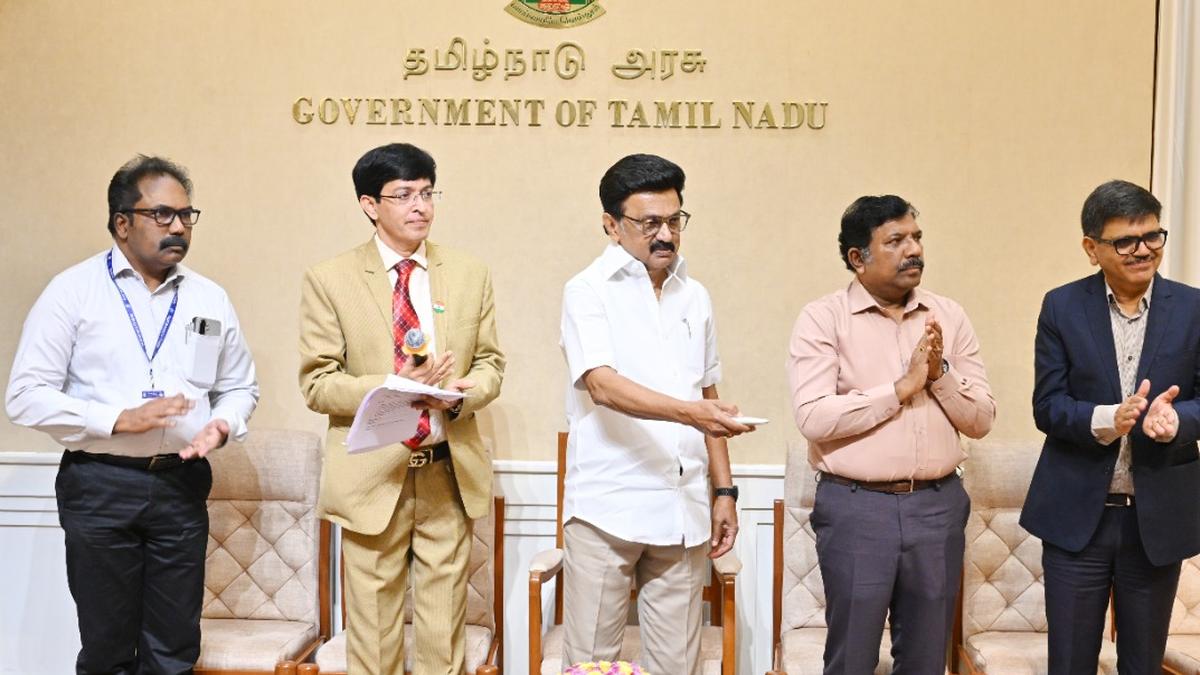
Chief Minister M.K. Stalin visited the project site to commission the first unit of the Stage I project. This facility is a "supercritical" thermal power plant, which means it operates at much higher temperatures and pressures than standard plants. This makes the process of turning coal into electricity much more effective. The Chief Minister also used the occasion to inaugurate a variety of other public works, including new bridges, school buildings, and improved water distribution systems in several districts.
Important Numbers and Facts
The first stage of the Udangudi project has a total capacity of 1,600 MW, divided into two units of 800 MW each. The unit commissioned today is the first of these two. The total cost for this stage of the project is estimated at around 13,000 crore rupees. To keep the plant running, a dedicated jetty has been built in the sea to allow ships to unload coal directly. This reduces the cost and time needed to transport fuel from distant ports. Beyond the power sector, the government also announced the completion of over 100 smaller community projects worth several hundred crores.
Background and Context
The Udangudi power project has been in the works for many years. It was designed to address the growing demand for electricity as Tamil Nadu continues to grow as a hub for manufacturing and technology. In the past, the state faced challenges with power shortages during the hot summer months. Projects like this are meant to ensure that there is enough reserve power to prevent blackouts. The location in Thoothukudi was chosen because of its proximity to the coast, which is ideal for importing coal and using seawater for cooling processes.
Public or Industry Reaction
Industry leaders in Tamil Nadu have expressed support for the new power unit. They noted that a steady power supply is the backbone of the state's economy. Small and medium-sized businesses, in particular, benefit from a more stable grid because they often lack the funds for expensive backup generators. Local residents in the Thoothukudi area have also seen an increase in job opportunities related to the construction and operation of the plant. However, some environmental groups have reminded the government to strictly follow pollution control rules to protect the local coastal ecosystem.
What This Means Going Forward
The commissioning of the first unit is just the beginning. The state government is now focused on finishing the second 800 MW unit at the same site. Once both units are fully operational, the Udangudi plant will be one of the largest power producers in the region. Moving forward, the government plans to balance coal-based power with more renewable energy sources like wind and solar. This "mixed" approach aims to provide reliable power while also working toward long-term environmental goals. The success of this project may lead to similar modern power plants being built in other parts of the state.
Final Take
The opening of the Udangudi Thermal Power Plant is a significant achievement for Tamil Nadu's infrastructure. It shows that the state is taking active steps to prepare for future energy demands. By combining large-scale power projects with local community improvements, the government is working to boost both the economy and the quality of life for its citizens. While the shift toward green energy continues, efficient plants like Udangudi remain essential for providing the steady base of power that a modern state requires.
Frequently Asked Questions
What is the capacity of the new Udangudi power unit?
The first unit commissioned by the Chief Minister has a capacity of 800 megawatts (MW). A second unit of the same size is planned for the future.
What makes a "supercritical" power plant different?
A supercritical plant uses higher pressure and heat to turn water into steam. This makes the plant more efficient, meaning it uses less coal to produce the same amount of electricity as a traditional plant.
How is the coal transported to the Udangudi plant?
The plant uses a special sea jetty that allows large ships to deliver coal directly to the facility. This avoids the need for long-distance transport by road or rail.



