
Summary
A special court in Mumbai recently issued a strong statement against former officials of the New India Cooperative Bank. The court rejected their request to attend legal proceedings through video calls instead of appearing in person. The judge criticized the officials, stating that their demand showed a sense of "huge entitlement" that the law does not support. This decision highlights the court's commitment to treating all individuals equally, regardless of their former professional status or wealth.
Main Impact
The primary impact of this ruling is the reinforcement of equality within the Indian legal system. By denying the request for virtual appearances, the court has sent a clear message that high-ranking officials cannot claim special privileges. This ensures that the trial moves forward under standard procedures that apply to every citizen. It also prevents a trend where influential people might try to avoid the physical presence required in criminal cases, which is often seen as a way to distance themselves from the seriousness of the charges.
Key Details
What Happened
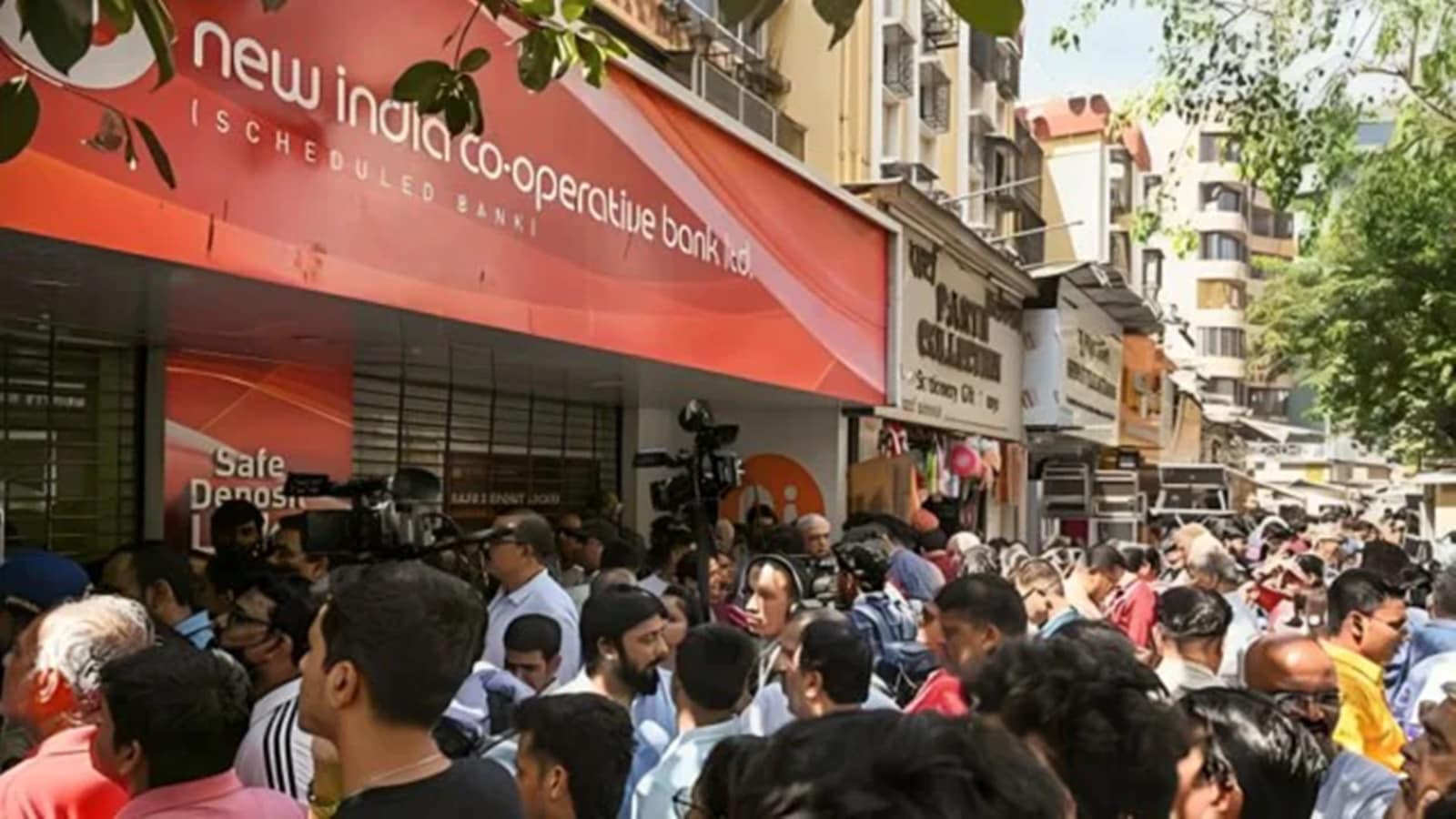
The case involves former leaders of the New India Cooperative Bank who are facing legal action related to financial irregularities. During a recent hearing at the Special PMLA (Prevention of Money Laundering Act) Court, the accused individuals filed a plea. They asked the court for permission to appear via video conferencing for their hearings. They cited various reasons for this request, suggesting that coming to court in person was unnecessary or difficult for them.
Special Judge M.G. Deshpande was not convinced by their arguments. He noted that the legal system requires the physical presence of the accused during a trial to ensure the process is transparent and fair. The judge expressed disappointment that individuals who held high positions in a bank would think they deserve different treatment than the general public.
Important Numbers and Facts
The case is being handled under the Prevention of Money Laundering Act, which deals with serious financial crimes. While the specific amount of money involved in this particular stage of the case was not the focus of the judge's recent comments, the New India Cooperative Bank has been under the scanner for significant financial mismanagement. The court pointed out that many ordinary people travel long distances and spend their limited savings to attend court dates. In contrast, these former officials, who have more resources, were trying to avoid the same responsibility.
Background and Context
This topic matters because cooperative bank frauds have affected thousands of small depositors in India. When a bank fails or faces allegations of money laundering, the people who lose the most are usually middle-class families and senior citizens who kept their life savings there. The legal process is the only way for these victims to see justice. When former bank officials try to skip physical court dates, it can feel like they are not taking the situation seriously. The court's firm stance helps maintain public trust in the judiciary, showing that the law is not just for the poor, but also for those who once held power.
Public or Industry Reaction
The reaction to the judge's comments has been largely positive among legal experts and the general public. Many people feel that "VIP culture" often creeps into the legal system, where wealthy individuals get easier terms for bail or appearance. By using the word "entitlement," the judge addressed a common public frustration. Industry observers note that this ruling might make other high-profile defendants think twice before asking for similar favors. It sets a standard that the physical courtroom is the only place where justice is served for serious criminal charges.
What This Means Going Forward
Going forward, the former officials of the New India Cooperative Bank must attend all future hearings in person. If they fail to show up, the court has the power to take stricter actions, such as issuing warrants for their arrest. This decision also serves as a warning to other defendants in similar financial crime cases. It clarifies that virtual hearings are a tool for convenience in specific situations, not a right for those who want to avoid the public eye. The trial will now proceed with all parties physically present, which helps the court observe the behavior of the accused and ensures a more disciplined trial process.
Final Take
The Mumbai court has taken a brave and necessary step in calling out the behavior of influential individuals. Justice must be seen to be done, and that includes everyone following the same rules of attendance. By rejecting the plea for virtual appearances, the court has upheld the dignity of the legal process and reminded everyone that no one is above the standard procedures of the law.
Frequently Asked Questions
Why did the bank officials want to appear virtually?
The officials asked for virtual appearances to avoid coming to the court in person, likely citing personal convenience or health reasons. However, the court found these reasons insufficient and labeled the request as a sign of entitlement.
What does "reeks of huge entitlement" mean in this case?
The judge used this phrase to describe the attitude of the accused. He meant that they seemed to believe they were better or more important than regular people and should therefore be allowed to follow easier rules.
Can anyone request a virtual court appearance?
While virtual hearings became common during the pandemic, they are now usually reserved for specific cases where travel is impossible or for witnesses who live in other countries. In criminal trials, the physical presence of the accused is generally required by law.



