
Summary
India is on track to introduce specific medical treatments for dengue fever within the next two to three years. As clinical trials move forward, health experts are hopeful that these new drugs will provide a direct way to fight the virus. This development is urgent because dengue cases are expected to rise due to the effects of climate change and rapid city growth. Having a targeted treatment will help doctors save more lives and manage the growing number of patients during peak seasons.
Main Impact
The most significant impact of this news is the shift from managing symptoms to curing the actual infection. Currently, there is no specific medicine to kill the dengue virus once a person is infected. Doctors can only provide supportive care, such as keeping the patient hydrated and managing pain. The arrival of targeted therapies will give healthcare workers a powerful tool to stop the virus from spreading inside the body, which could significantly lower the number of severe cases and deaths.
Key Details
What Happened
Researchers and medical experts in India are currently conducting trials for new dengue treatments. These trials are designed to test how safe and effective new drugs are at stopping the virus. Unlike general medicines, these new therapies are "targeted," meaning they are built to attack the dengue virus specifically. This progress comes at a time when the world is seeing a steady increase in mosquito-borne diseases. The goal is to have these treatments ready for public use in a very short window of time.
Important Numbers and Facts
The timeline for these treatments is set at two to three years. This is considered a fast pace for medical development, showing how much priority the government and health agencies are placing on this issue. Experts point out that urbanization—the growth of cities—and climate change are the two biggest reasons why dengue is spreading. As temperatures rise and more people live in crowded urban areas with poor drainage, the environment becomes a perfect breeding ground for the mosquitoes that carry the virus.
Background and Context
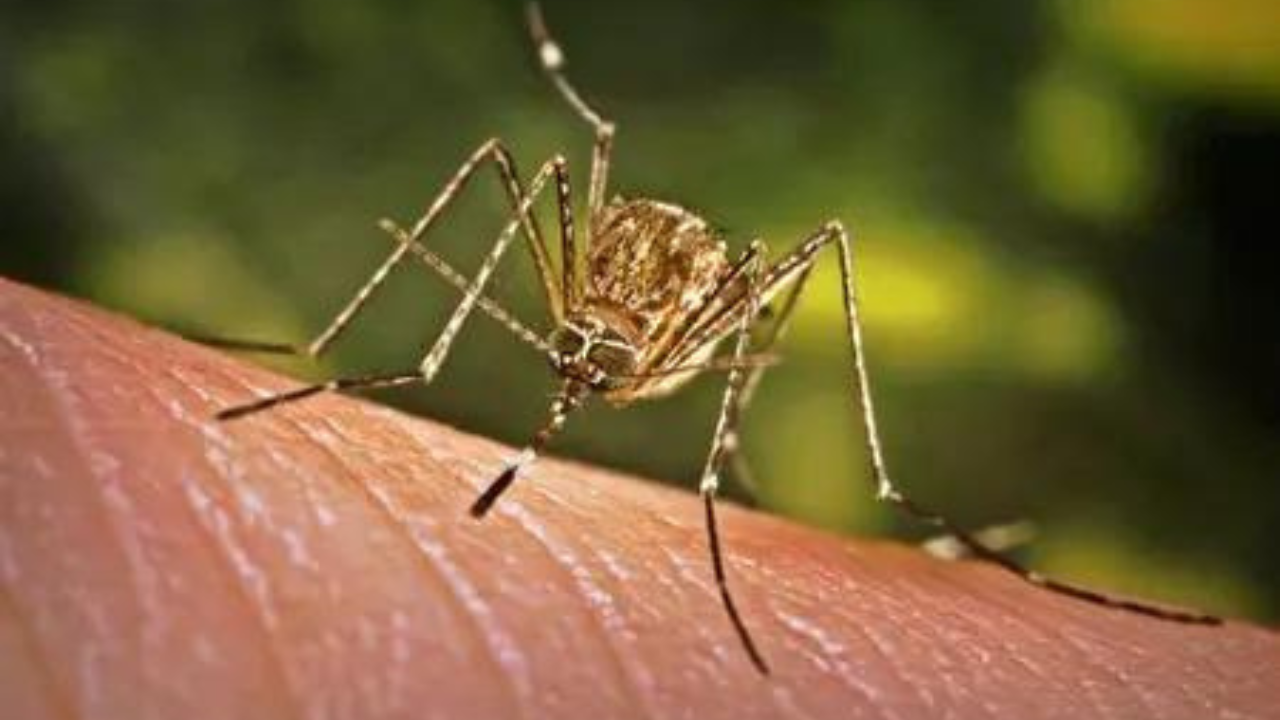
Dengue is a viral infection spread to humans through the bite of infected mosquitoes, mainly the Aedes aegypti species. For decades, it has been a major health problem in tropical and subtropical regions. In India, the disease often peaks during and after the monsoon season when standing water allows mosquitoes to multiply quickly. While many people recover, some develop "severe dengue," which can lead to internal bleeding and organ failure.
In the past, the focus was mostly on prevention, such as using mosquito nets and clearing out stagnant water. However, as the planet warms, mosquitoes are moving into new areas where they could not survive before. This means that even places that never had dengue problems in the past are now at risk. Because prevention is becoming harder due to environmental changes, having a reliable medicine to treat the sick has become a top priority for global health organizations.
Public or Industry Reaction
The medical community has welcomed the news of these trials. Doctors have long expressed frustration over the lack of a specific cure for dengue. Many health professionals believe that while vaccines are helpful, they are not enough on their own to control the disease. The industry is also calling for "climate-resilient" health systems. This means building hospitals and clinics that are prepared to handle sudden surges in patients when weather patterns cause a spike in mosquito populations.
Public health experts also warn that medicine alone cannot solve the problem. They stress that local governments must continue to improve city planning and waste management. If cities continue to grow without proper water systems, the number of mosquitoes will continue to rise, making it harder for even the best medicines to keep up with the number of sick people.
What This Means Going Forward
In the coming years, we can expect to see more investment in viral research. The success of dengue treatments could lead to better ways to fight other similar viruses, like Zika or Chikungunya. Governments will likely focus on a two-part strategy: using new medicines to treat the sick and using better technology to track mosquito outbreaks before they get out of control.
Patients will eventually have access to pills or injections that can shorten the time they are sick and prevent the disease from becoming life-threatening. However, the next few years will be a race against time. As the climate continues to change, the window to prepare health systems for larger outbreaks is closing. The focus will remain on finishing these clinical trials safely and making sure the medicine is affordable for everyone who needs it.
Final Take
The promise of a dengue treatment in just a few years is a major step forward for global health. While we cannot easily stop the environmental changes that help mosquitoes thrive, we can improve how we protect the people who get sick. Combining new medical cures with better city planning will be the best way to protect communities from this growing threat.
Frequently Asked Questions
When will the new dengue treatment be available?
Experts expect the targeted treatments to be ready for use within the next two to three years, following the completion of current clinical trials.
Why are dengue cases increasing?
Cases are rising because of climate change, which creates warmer environments for mosquitoes, and rapid urbanization, which provides more breeding spots in crowded cities.
How is dengue treated right now?
Currently, there is no specific medicine for dengue. Doctors treat the symptoms by providing fluids, rest, and medicine to reduce fever and pain while the body fights the virus.



