
Summary
The Left Democratic Front (LDF) in Kochi has voiced strong opposition to a new proposal for setting up Indira Canteens in the city. LDF leaders argue that this move is a direct attempt to weaken the existing Samridhi@Kochi project, which has been providing low-cost meals to the public for several years. The disagreement has sparked a fresh political debate regarding food security programs and how they are managed within the city corporation. While the opposition pushes for the new canteens, the ruling front maintains that the current system is already meeting the needs of the people effectively.
Main Impact
The primary impact of this dispute is a growing tension within the Kochi Corporation council. This political friction could slow down the expansion of food aid programs in the city. If the proposal for Indira Canteens moves forward, it may lead to a duplication of services, where two different government-backed programs compete for the same resources and space. On the other hand, the LDF’s resistance might be seen by some as a way to protect their political brand, as Samridhi@Kochi is one of their flagship social welfare initiatives. This conflict highlights how even basic services like affordable food can become a central point of political rivalry.
Key Details
What Happened
The controversy began when members of the United Democratic Front (UDF) proposed the establishment of Indira Canteens across various parts of Kochi. The UDF argued that more centers are needed to ensure that no one in the city goes hungry. However, LDF representatives quickly criticized the plan during recent council discussions. They claimed that the proposal was not based on actual need but was instead a political tactic to overshadow the success of the Samridhi@Kochi initiative. The LDF believes that instead of starting a new brand of canteens, the city should focus on strengthening the one that is already working well.
Important Numbers and Facts
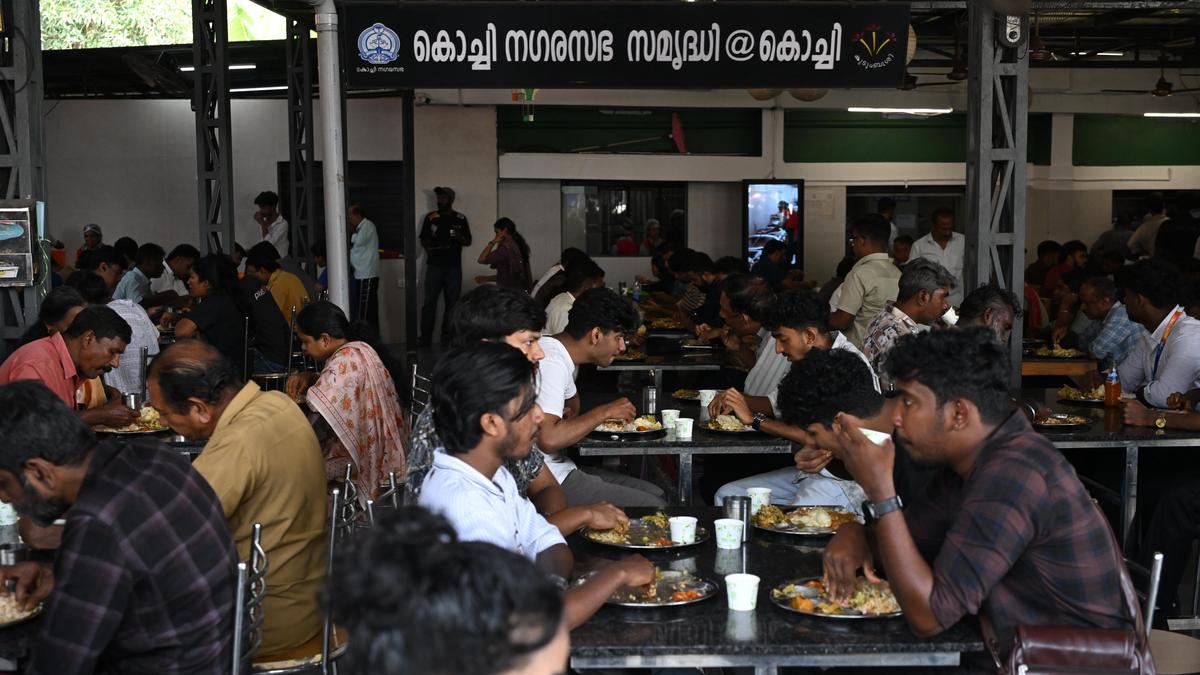
The Samridhi@Kochi project was launched with the goal of providing quality meals at a very low price, often around 10 rupees per plate. Since its start, the project has served thousands of people every day, including daily wage workers, students, and low-income families. The initiative uses a centralized kitchen system to maintain quality and keep costs down. The new proposal for Indira Canteens suggests opening multiple outlets, similar to the model used in other states like Karnataka. However, critics point out that the city budget may not easily support two separate, large-scale subsidized food programs at the same time.
Background and Context
Food security has always been a major priority for local governments in Kerala. The Samridhi@Kochi project was introduced by the LDF-led corporation as a way to tackle hunger in urban areas, especially following the economic difficulties caused by the pandemic. It was designed to be a self-sustaining model that relies on community support and government subsidies. The name "Indira Canteen" is associated with the Congress party and has been implemented in other parts of India to provide cheap food. In the context of Kerala politics, naming a public service after a political leader often signals which party is taking credit for the welfare work. This is why the LDF sees the new proposal as a challenge to their established program.
Public or Industry Reaction
The reaction to this proposal has been split along political lines. Supporters of the UDF argue that competition is good and that having more canteens will only benefit the poor by providing more locations to eat. They believe the city is large enough to host both programs. Conversely, LDF supporters and some social activists worry that introducing a second program will lead to a waste of public money. They argue that the focus should be on improving the quality and reach of Samridhi@Kochi rather than spending funds on new branding and separate administrative costs. Some citizens have expressed that they do not care about the name of the canteen as long as the food remains affordable and healthy.
What This Means Going Forward
Looking ahead, the Kochi Corporation will have to decide whether to approve the budget for the new canteens or stick with the current system. If the Indira Canteen proposal is rejected, it could lead to more protests from the opposition. If it is accepted, the city will need to find a way to manage both programs without causing financial strain. There is also the possibility of a compromise where the existing Samridhi centers are expanded under a neutral name, though this seems unlikely given the current political climate. The outcome will serve as a test of how local leaders balance political identity with the practical needs of the community.
Final Take
The debate over Indira Canteens versus Samridhi@Kochi is more than just a fight over food; it is a fight over political legacy. While both sides claim to have the best interests of the poor at heart, the disagreement shows how difficult it is to separate welfare from politics. For the residents of Kochi, the most important factor is that affordable meals continue to be available. Whether those meals come from a kitchen named Samridhi or Indira matters less than the consistency and quality of the service provided to those who need it most.
Frequently Asked Questions
What is Samridhi@Kochi?
It is a social welfare project run by the Kochi Corporation that provides high-quality meals at a very low cost to help ensure food security for everyone in the city.
Why is the LDF opposing the Indira Canteen proposal?
The LDF believes the proposal is a political move designed to undermine the success of their own Samridhi@Kochi project and that it would lead to an unnecessary duplication of services.
How much do meals cost at these canteens?
The goal of these programs is to keep prices very low, typically around 10 rupees, making them accessible to workers and people with low incomes.



