
Summary
A new artificial intelligence (AI) system is being set up to protect 40 villages located near forest boundaries. This technology tracks the movement of tigers and leopards in real-time to prevent dangerous encounters between humans and wild animals. By using smart cameras and instant alert systems, the project aims to save lives and reduce the loss of livestock. This move marks a major step in using modern tools to solve long-standing safety issues in rural areas.
Main Impact
The primary impact of this AI technology is the creation of a digital safety net for thousands of villagers. In the past, people living near forests had to rely on luck or manual patrols to know if a predator was nearby. Now, the AI provides an early warning that gives people enough time to get to safety. This reduces the chances of accidental meetings, which often lead to injuries or deaths for both humans and animals. By keeping people informed, the system also helps lower the stress and fear that many families face every day.
Key Details
What Happened
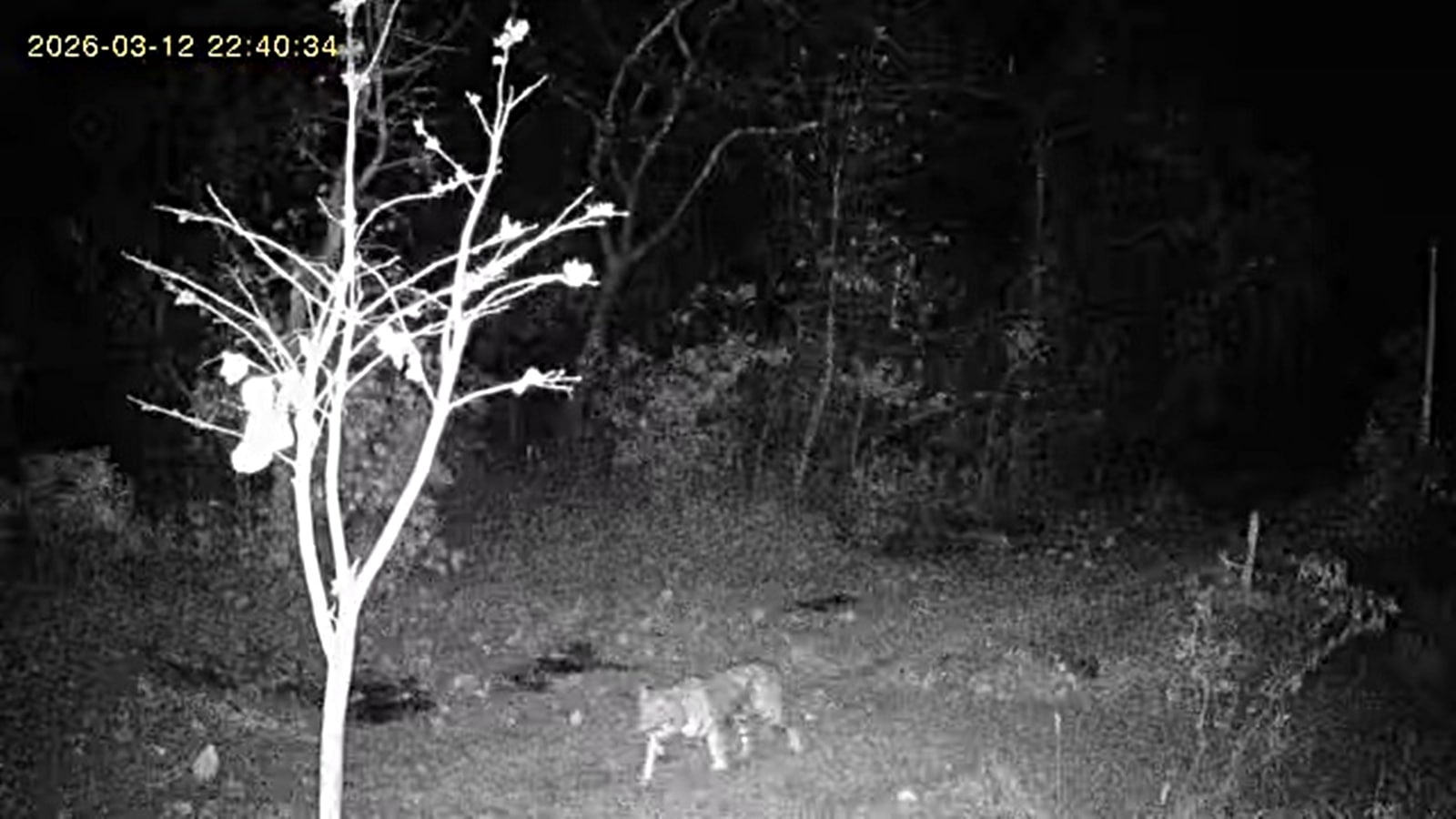
Forest officials have started installing high-tech camera traps and sensors around 40 high-risk villages. These cameras are not just basic recording devices; they are connected to an AI software that can identify specific animal shapes. When a tiger or a leopard walks past a camera, the AI recognizes the animal instantly. It then sends an automatic message to forest guards and village leaders. This entire process happens in seconds, allowing for a quick response before the animal enters a residential area.
Important Numbers and Facts
The project covers 40 villages that have seen high levels of animal activity in recent years. The system works 24 hours a day, even in total darkness, using infrared technology. Alerts are sent via SMS and mobile apps to ensure the news reaches as many people as possible. Early tests show that the AI can distinguish between a wild predator and a domestic animal with over 90% accuracy. This high level of precision is vital to avoid sending false alarms that could cause unnecessary panic among the local population.
Background and Context
Human-wildlife conflict is a serious problem in areas where forests meet farmland. As tiger and leopard populations grow in some regions, these animals often wander out of protected zones in search of food or new territory. At the same time, villages are expanding, which brings people closer to the natural habitats of these big cats. When a tiger enters a village, it may attack cattle or, in some cases, people. This often leads to angry villagers trying to hurt the animals in return. Using AI helps break this cycle of violence by keeping the two groups apart without harming the wildlife.
Public or Industry Reaction
Local residents have welcomed the move, noting that it provides a sense of security they have never had before. Farmers, who often have to work in fields late at night or early in the morning, say the alerts will help them plan their work safely. Conservation experts are also praising the project. They believe that technology is a better solution than building massive walls or fences, which can disrupt the natural movement of animals. By using AI, the forest department can manage the situation more effectively with fewer staff members on the ground.
What This Means Going Forward
If this pilot project in the 40 villages is successful, it could be expanded to hundreds of other locations across the country. The technology is also being updated to track other large animals, such as wild elephants, which also cause significant damage to crops and homes. In the future, these AI systems might be linked to loud sirens or bright lights that can automatically turn on to scare animals back into the forest. This would create a fully automated system that protects villages without needing human intervention at every step.
Final Take
Using AI to monitor wildlife is a smart way to balance nature conservation with human safety. It shows that technology can be used for more than just office work; it can solve real-world problems in the most remote parts of the world. By giving villagers a simple text message, this system is turning a dangerous living situation into a manageable one, ensuring that both people and predators can exist in the same region safely.
Frequently Asked Questions
How does the AI know it is a tiger and not a cow?
The AI is trained using thousands of images of different animals. It looks at the shape, size, and movement patterns to tell the difference between a wild predator and a farm animal with very high accuracy.
Will the villagers need expensive phones to get the alerts?
No, the system is designed to send simple SMS text messages. This means even basic mobile phones can receive the warnings, making it accessible to everyone in the village regardless of their income.
Does this technology hurt the animals?
Not at all. The cameras and sensors are non-invasive and do not use any wires or traps that could trip or injure the animals. It is a completely silent and safe way to watch wildlife from a distance.



