
Summary
Scientists have made a major discovery in a cave in Poland that changes our understanding of ancient history. They found 80,000-year-old DNA from a Neanderthal tooth in Stajnia Cave. This is now the oldest Neanderthal genetic material ever found in Central-Eastern Europe. The discovery helps experts track how these ancient humans moved across the continent during a time of extreme climate change. It shows that Neanderthals were much more mobile and resilient than previously thought.
Main Impact
The main impact of this find is that it fills a large gap in the history of human evolution. Before this, most of our knowledge about Neanderthals came from Western Europe or parts of Asia. By finding DNA in Poland that dates back 80,000 years, researchers can now see how different groups were related. This specific group of Neanderthals lived during a period when the world was getting much colder. Their ability to survive in this region suggests they had advanced ways of living and hunting that allowed them to handle freezing temperatures.
Key Details
What Happened
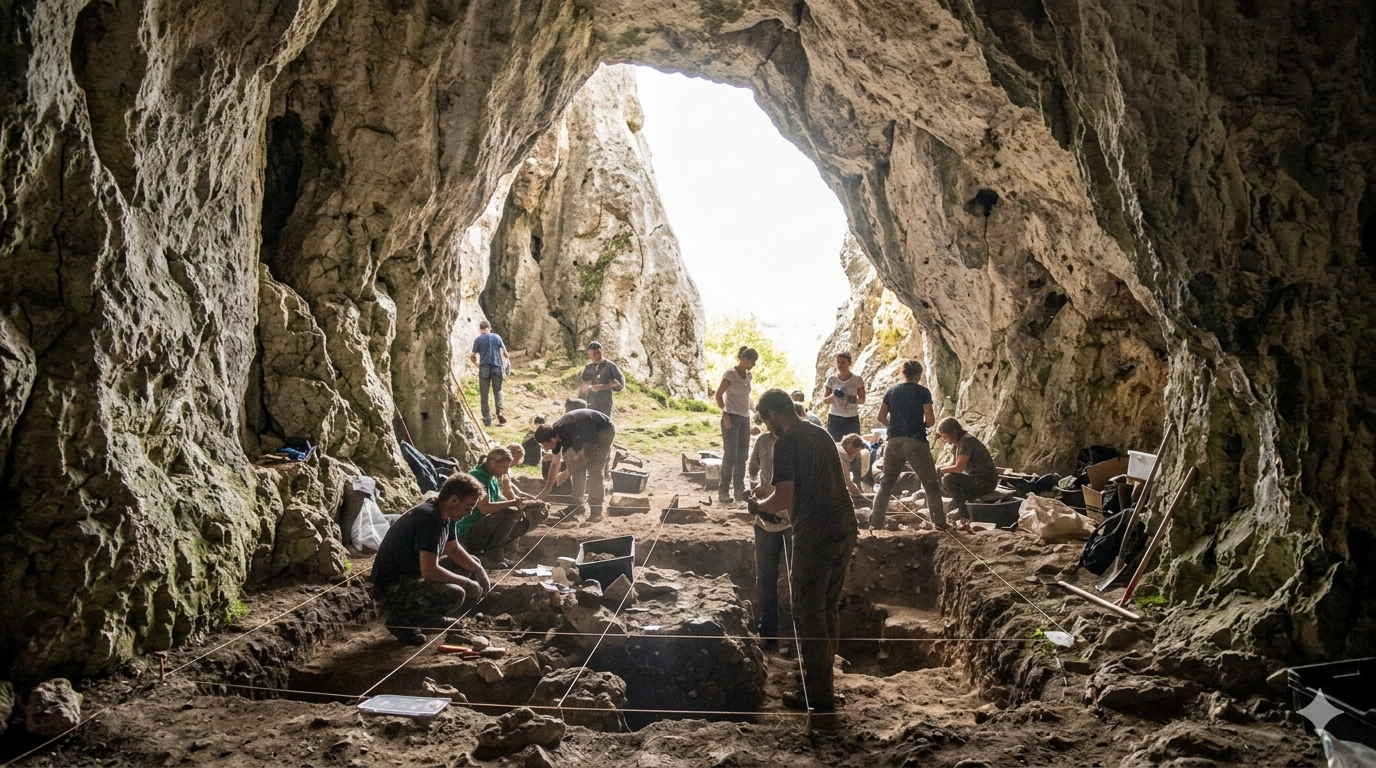
A team of researchers analyzed a molar tooth found in Stajnia Cave, located in the southern part of Poland. Using very sensitive laboratory tools, they were able to pull out mitochondrial DNA. This type of DNA is passed down from mothers to their children and is great for tracking family lines over thousands of years. The tooth belonged to an adult Neanderthal who lived during a time when the environment was shifting from forests to cold grasslands. The DNA showed that this individual was more closely related to Neanderthals from the Northern Caucasus than to those living in Western Europe at the same time.
Important Numbers and Facts
The tooth is approximately 80,000 years old, placing it in a period known as the early Last Glacial. Stajnia Cave has been a site of interest for many years, but this specific tooth, labeled Stajnia S5000, provided the breakthrough scientists needed. The DNA sequence was compared to other samples from across Europe and Asia. The results showed a strong link to a group that lived over 1,000 miles away. This suggests that Neanderthals traveled very long distances, likely following the animals they hunted for food.
Background and Context
Neanderthals are the closest relatives to modern humans who have gone extinct. They lived across Europe and parts of Asia for hundreds of thousands of years before disappearing about 40,000 years ago. For a long time, people thought Neanderthals were simple or stayed in one place. However, modern science is showing they were very smart. They made tools, used fire, and had complex social groups. The area where the tooth was found is famous for a specific type of stone tool called the Micoquian style. These tools were sharp and well-made, designed for survival in harsh, open environments where wood was scarce.
Public or Industry Reaction
The scientific community is very excited about these findings. Geneticists and historians say that finding DNA this old is rare because genetic material usually breaks down over time. The cold and stable environment of the cave helped preserve the tooth. Experts in the field of human origins believe this discovery proves that Central-Eastern Europe was a vital crossroads for ancient humans. It shows that the region was not just a cold wasteland, but a place where different groups met and lived for thousands of years.
What This Means Going Forward
This discovery opens the door for more research in Poland and neighboring countries. Scientists now know that DNA can survive in these caves for much longer than they once thought. They will likely go back to other sites to look for more teeth or bone fragments. This work will help create a complete map of how Neanderthals moved as the ice sheets grew and shrank. It also helps us understand why they eventually went extinct while modern humans survived. By looking at their DNA, we can see if they had health issues or if their populations were getting too small to survive the changing world.
Final Take
The 80,000-year-old tooth from Stajnia Cave is a small object that tells a massive story. It proves that our ancient cousins were travelers who could adapt to some of the toughest conditions on Earth. This find moves the center of Neanderthal history further east and gives us a clearer picture of the ancient world. Every piece of DNA found is a new page in the book of human history, helping us understand where we came from and how our ancestors survived against the odds.
Frequently Asked Questions
Why is this DNA discovery so important?
It is the oldest Neanderthal DNA found in Central-Eastern Europe. It helps scientists understand how ancient humans moved and survived during the ice age.
Where exactly was the tooth found?
The tooth was found in Stajnia Cave, which is located in the Krakow-Częstochowa Upland in southern Poland.
How did the DNA stay in good condition for 80,000 years?
The cave provided a stable, cool environment that protected the tooth from the elements. This prevented the DNA from breaking down as quickly as it would in warmer or more open areas.

