
Summary
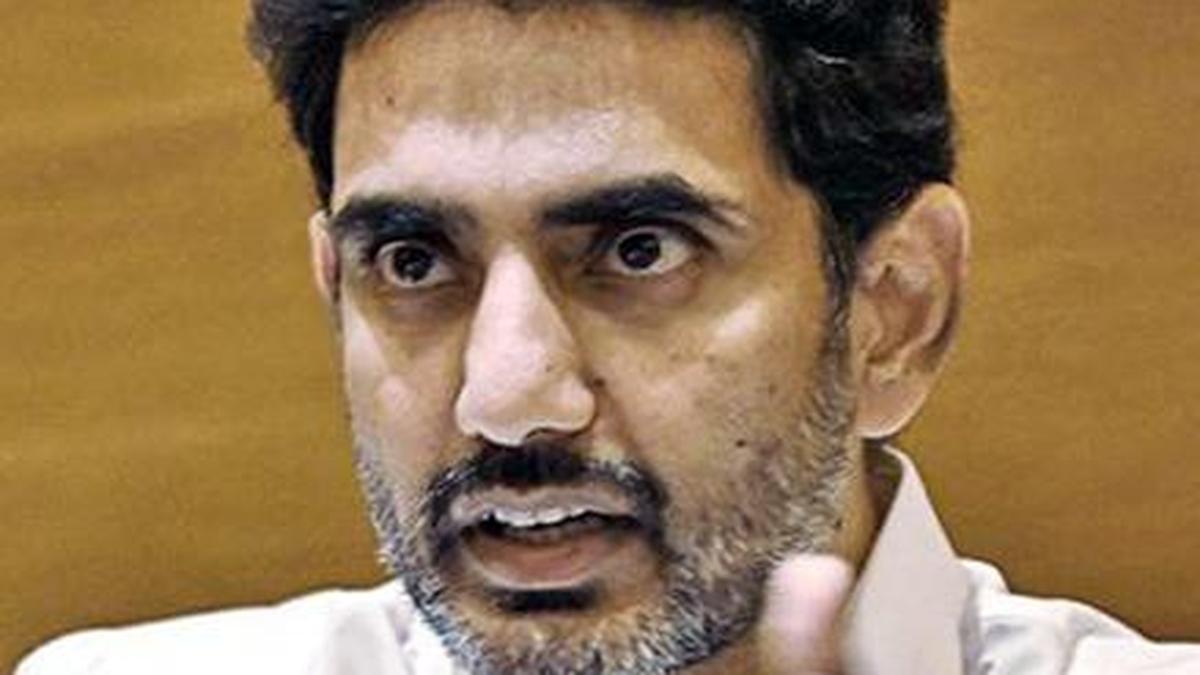
Human Resources Development (HRD) Minister Nara Lokesh has issued a strong warning to school authorities regarding the quality of mid-day meals. He stated that any compromise on the food served to students will lead to strict legal and administrative action. To ensure safety, the Minister has made it mandatory for a teacher to taste and verify the food quality every single day before it is given to the children. This decision follows a recent investigation into a school incident in the NTR district, which officials now believe was a staged attempt to spread false information.
Main Impact
The primary impact of this directive is a shift toward higher accountability in the school meal program. By making teachers responsible for daily food testing, the government is creating a direct safety check at the ground level. This move aims to prevent food poisoning incidents and ensure that children receive the nutrition they are promised. Furthermore, the government’s stance against "deliberate misinformation" suggests that they will also be monitoring for any political or personal attempts to damage the reputation of the school system through false claims.
Key Details
What Happened
Minister Lokesh addressed the issue of school nutrition during a recent review. He expressed that the health of students is a top priority for the state. The Minister noted that there have been complaints about the quality of ingredients and the hygiene of the cooking process in some areas. To fix this, he ordered that no meal should be served without a prior quality check by a staff member. This rule applies to all government schools where the mid-day meal scheme is active.
Important Numbers and Facts
The investigation focused on a specific report from a school in Mylavaram, located in the NTR district. Initial reports suggested that the food served there was unfit for consumption. However, a preliminary inquiry by government officials revealed that the incident was not a genuine case of poor food quality. Instead, the inquiry found that the situation was a "deliberate act" intended to create panic and spread wrong information. The government is now looking into who was behind this act and what their motives were.
Background and Context
The mid-day meal program is one of the largest social welfare schemes in the country. It is designed to provide at least one nutritious meal a day to millions of school children. For many students from low-income families, this meal is their main source of daily nutrition. Because the program is so large, managing the quality of food across thousands of schools is a difficult task. In the past, there have been real cases of children falling ill due to poorly prepared food, which makes the public very sensitive to any news regarding meal quality. This sensitivity is sometimes exploited by individuals looking to create controversy, which is why the Minister is taking a dual approach: improving safety and stopping fake news.
Public or Industry Reaction
Parents and education activists have generally welcomed the move to have teachers taste the food first. Many believe this will force cooks and contractors to be more careful with hygiene. However, some teacher unions have expressed concerns about the added responsibility, noting that teachers are already busy with their primary job of educating students. On the political side, the government's claim that the Mylavaram incident was a "deliberate act" has sparked debate. Supporters of the administration say it is necessary to call out fake reports, while critics argue that the government should focus more on fixing real issues rather than blaming misinformation.
What This Means Going Forward
Moving forward, schools can expect more frequent and unannounced inspections from higher officials. The HRD Ministry is likely to set up a digital reporting system where the daily "tasting report" must be uploaded. Contractors who provide the food will face the risk of losing their contracts or facing heavy fines if they are caught using low-quality ingredients. Additionally, the government may take legal action against those found guilty of staging fake food quality scandals. The goal is to create a system where the food is consistently safe and the reporting of issues is honest and transparent.
Final Take
Ensuring that school children have access to healthy and safe food is a fundamental duty of the state. By introducing a mandatory tasting rule and taking a firm stand against false reports, the government is trying to protect both the students and the integrity of the welfare program. While the new rules add more work for school staff, the safety of the children remains the most important factor. Clearer monitoring and honest reporting will be the keys to making this program successful in the long run.
Frequently Asked Questions
What is the new rule for mid-day meals?
Every day, before the food is served to students, at least one teacher must taste and check the quality of the meal to ensure it is safe and well-cooked.
What happened at the school in Mylavaram?
There was a report of poor food quality at a school in the NTR district, but a government inquiry found that the incident was staged to spread false information and was not a real case of bad food.
What happens if the food quality is poor?
Minister Lokesh has warned that strict action, including legal consequences and administrative penalties, will be taken against anyone responsible for compromising the quality of the meals.

