
Summary
A severe shortage of Liquefied Petroleum Gas (LPG) has brought boat repair work to a sudden stop in Nagapattinam. This fuel is essential for industrial tasks like metal cutting and welding, which are necessary to keep fishing vessels in good condition. Because of the lack of gas, one major boatyard has already closed its doors, while others have been forced to slow down their operations significantly. This crisis has left hundreds of daily-wage workers without jobs and created a backlog of repairs for the local fishing fleet.
Main Impact
The most immediate and painful effect of this shortage is the loss of work for local laborers. In Nagapattinam, the boat repair sector is a vital part of the economy, providing jobs for at least 500 skilled and semi-skilled workers. These individuals rely on daily wages to support their families. With the yards standing still, these workers have no way to earn a living. Additionally, the fishing industry, which depends on these boats being seaworthy, is facing a major delay. If boats are not repaired on time, fishermen cannot go out to sea, leading to a much larger economic problem for the entire coastal region.
Key Details
What Happened
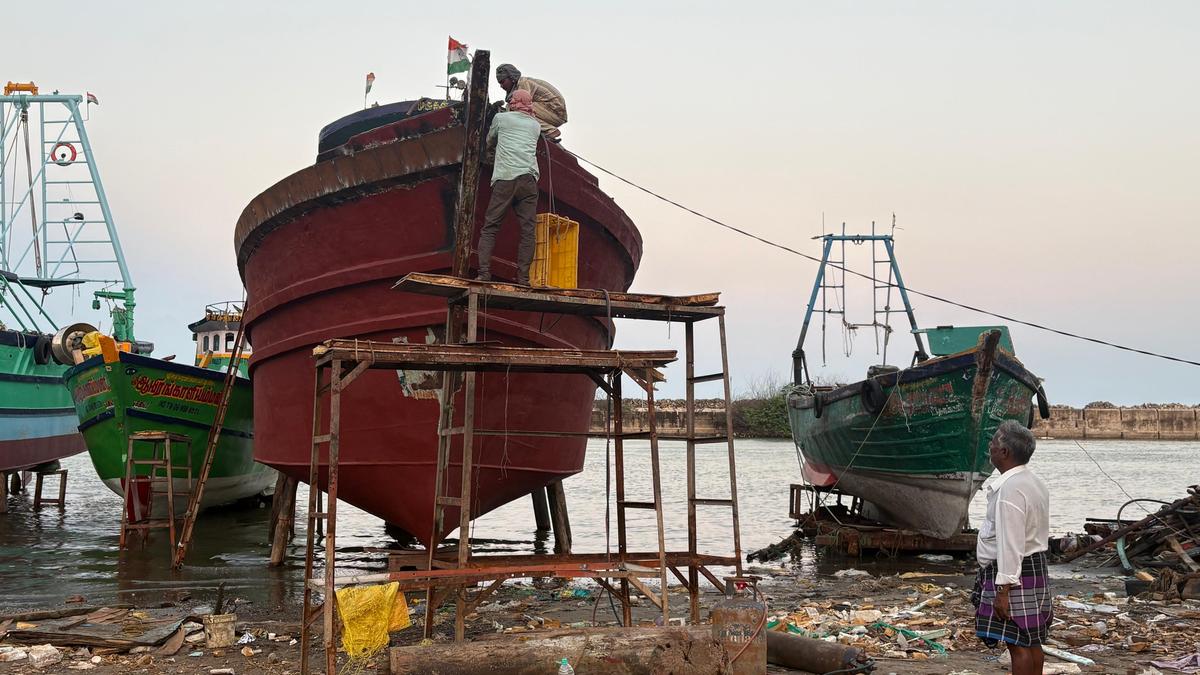
The crisis began when the supply of industrial LPG cylinders started to dry up in the region. Boatyards use these cylinders to power gas cutting torches, which are used to remove rusted metal plates and shape new parts for large fishing boats. Without a steady supply of gas, the heavy machinery and tools used in these yards cannot function. Out of the four main boatyards in the area, one has been forced to shut down completely. The remaining three are struggling to stay open, with work moving at a very slow pace. Many projects that were supposed to be finished weeks ago are now sitting untouched.
Important Numbers and Facts
The scale of the problem is clear when looking at the numbers. There are four primary boatyards in the Nagapattinam area that handle large-scale repairs. Currently, over 500 workers who specialize in welding, painting, and metalwork are out of work. The repair segment is the hardest hit, as it requires the most gas for cutting through thick steel hulls. Industry experts note that even a few days of gas shortage can lead to weeks of delays in the fishing schedule, as boats must wait their turn for the limited resources available.
Background and Context
Nagapattinam is one of the most important fishing hubs in the state. The local economy revolves around the sea, and thousands of people depend on the fishing fleet for their survival. Boats require regular maintenance because salt water causes metal to rust and wood to rot very quickly. This maintenance is usually done during specific windows of time when the weather is calm or during fishing ban periods. When a shortage like this happens, it disrupts the entire cycle of the fishing season. LPG is not just a cooking fuel here; it is a critical industrial tool. Without it, the infrastructure that supports the fishing industry begins to crumble.
Public or Industry Reaction
Yard owners and workers are expressing deep frustration over the current situation. Many owners say they have orders to fill and boats waiting in line, but they cannot fulfill their contracts without fuel. Workers have shared stories of financial stress, as many do not have savings to fall back on during a sudden work stoppage. There is a growing call for the government and local authorities to step in and ensure that industrial gas supplies are prioritized for these essential maritime services. Local trade groups are worried that if the shortage lasts much longer, some workers might leave the area to find jobs in other industries, leading to a shortage of skilled labor in the future.
What This Means Going Forward
The next few weeks will be critical for the Nagapattinam boatyards. If the LPG supply is restored quickly, the yards can begin to clear the backlog of repairs, though it will take time to get back to full speed. However, if the shortage continues, more yards may be forced to close permanently. This would be a huge blow to the local maritime infrastructure. Moving forward, industry leaders may need to look into alternative fuels or better storage methods to prevent a similar crisis from happening again. For now, the focus remains on getting the gas supply back to normal so that 500 people can return to their jobs and the fishing fleet can return to the water.
Final Take
The situation in Nagapattinam shows how a shortage of a single resource can cause a chain reaction that hurts an entire community. While LPG might seem like a small part of the big picture, its absence has silenced the tools of an essential industry. Restoring the gas supply is not just about fixing boats; it is about protecting the livelihoods of hundreds of families and ensuring the local economy stays afloat.
Frequently Asked Questions
Why is LPG so important for boatyards?
LPG is used in gas cutting torches to cut through thick metal plates on boat hulls. It is the primary fuel used for repairing and shaping the steel structures of large fishing vessels.
How many people have lost their jobs due to the shortage?
At least 500 workers in the repair segment have been affected. Many are daily-wage laborers who now have no source of income while the yards are closed or slowed down.
What is the status of the boatyards in Nagapattinam?
Out of the four major yards in the area, one has shut down entirely. The other three are operating at a very low capacity because they do not have enough gas to continue normal work.



