
Summary
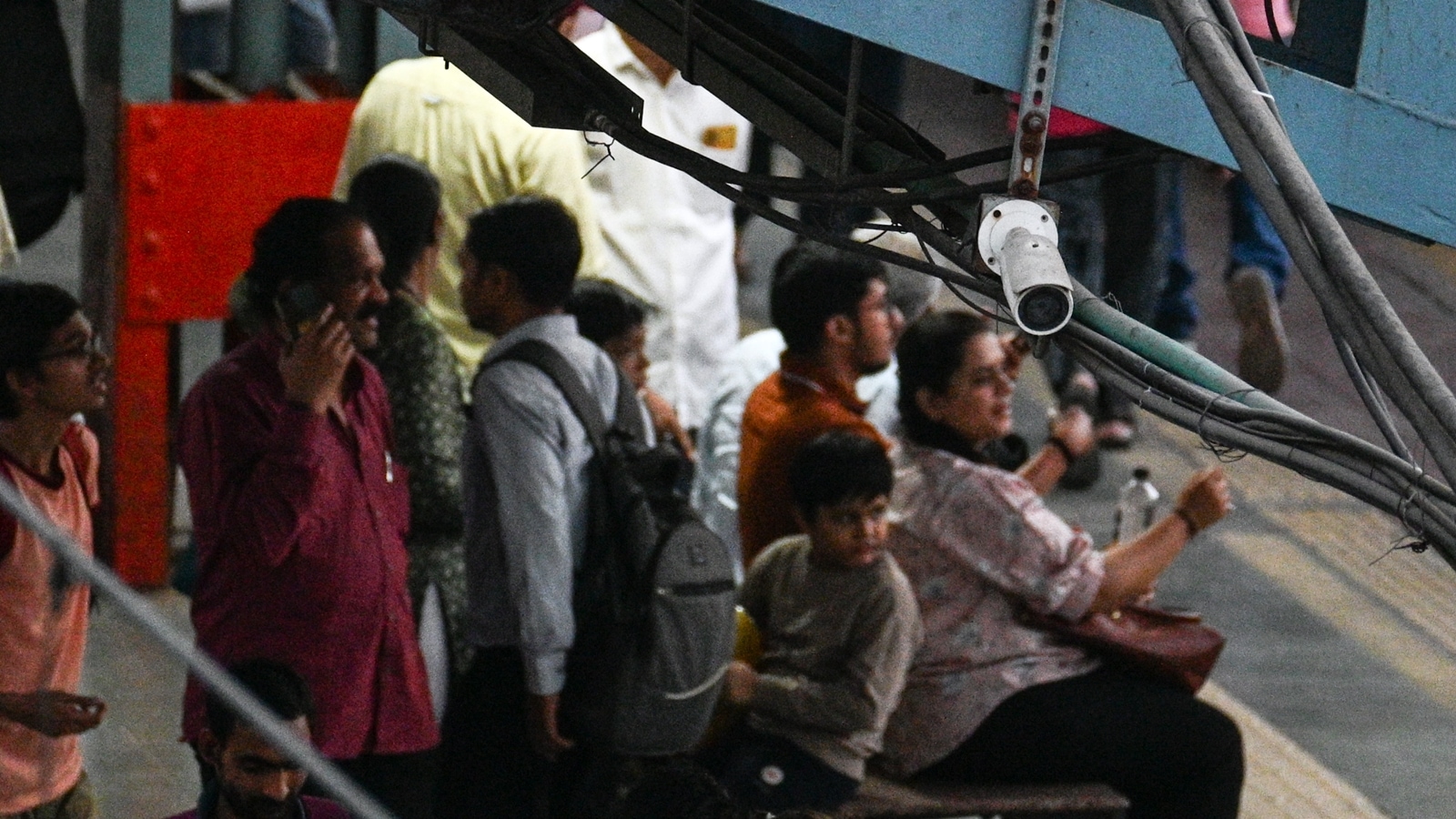
Mumbai is taking a major step to improve safety on its massive railway network by using advanced technology. Authorities have installed 463 high-tech cameras equipped with facial recognition software across several busy stations. This system helps the police identify known criminals and find missing persons in real-time. By linking these cameras to a national database, the railway police can now act much faster to prevent crimes before they happen.
Main Impact
The introduction of facial recognition technology changes how security works at Mumbai’s railway stations. In the past, police had to look through hours of recorded video after a crime was reported. Now, the system does the work automatically. The main impact is a much higher chance of catching repeat offenders who try to enter the station premises. This technology acts as a digital shield, making it harder for criminals to hide in the large crowds that use the trains every day.
Key Details
What Happened
The Railway Protection Force (RPF) has started using a Facial Recognition System (FRS) at major transit hubs in Mumbai. These cameras are not like standard security cameras. They are programmed to scan the faces of every person walking through the station gates. The software compares these faces against a digital library of photos. This library contains images of wanted criminals, people with a history of railway crimes, and children who have been reported missing. If the system finds a match, it immediately sends a notification to the mobile phones or computer screens of the officers on duty.
Important Numbers and Facts
A total of 463 cameras have been set up as part of this initial phase. These cameras are spread across key locations, including the Chhatrapati Shivaji Maharaj Terminus (CSMT), Dadar, and Kalyan stations. The system is connected to the National Crime Records Bureau (NCRB) database, which holds records of thousands of individuals from across the country. The cameras are designed to work even in low light and can identify faces even if the person is moving quickly through a crowd. This is essential for Mumbai, where stations are often packed with people during peak hours.
Background and Context
The Mumbai local train system is often called the lifeline of the city. Every day, more than seven million people use these trains to get to work and school. Because the stations are so crowded, they are often targets for small crimes like mobile phone theft and pickpocketing. Managing such a huge number of people is a difficult task for the police. Human officers cannot remember every face or watch every corner at once. This is why the railway authorities decided to use artificial intelligence. By using technology to monitor the crowds, the police can focus their energy on responding to specific threats rather than just patrolling blindly.
Public or Industry Reaction
The reaction to this new system has been mixed but mostly positive regarding safety. Many daily commuters feel more secure knowing that the police have better tools to catch thieves. People who have lost belongings on the train in the past see this as a necessary move. However, some groups have raised questions about privacy. They worry about how the facial data is stored and who has access to it. The railway authorities have responded by stating that the system is strictly for security and that the data of law-abiding citizens is not used for any other purpose. They emphasize that the goal is to create a "black-list" system that only flags individuals who have a criminal record.
What This Means Going Forward
This is likely just the beginning of a larger trend in public safety. If the 463 cameras in Mumbai prove to be successful in lowering crime rates, the government may expand the project to every station in the city and eventually across India. In the future, the system might be upgraded to detect more than just faces. It could be trained to spot "suspicious behavior," such as someone leaving a bag unattended for a long time or someone loitering in a restricted area. While the technology is powerful, the next challenge will be ensuring it stays accurate and does not make mistakes that lead to innocent people being stopped by the police.
Final Take
Mumbai’s railway stations are becoming smarter and safer through the use of facial recognition. While the balance between privacy and security is always a difficult one to strike, the ability to find missing children and stop repeat criminals is a significant benefit. As the city grows, using technology to support the police will be vital in keeping millions of passengers safe on their daily journeys.
Frequently Asked Questions
How does the facial recognition system work?
The system uses high-definition cameras to scan faces in the crowd. It then compares those images to a database of known criminals and missing persons. If a match is found, the police receive an instant alert.
Which stations in Mumbai have these cameras?
Currently, the cameras are installed at major hubs like CSMT, Dadar, and Kalyan. These are some of the busiest stations where the risk of crime and the number of passengers are highest.
Is my personal data safe when I walk past these cameras?
Railway authorities state that the system is designed only to identify people already in the criminal database. They claim that the data of regular passengers is not stored or used for any purpose other than maintaining station security.



