
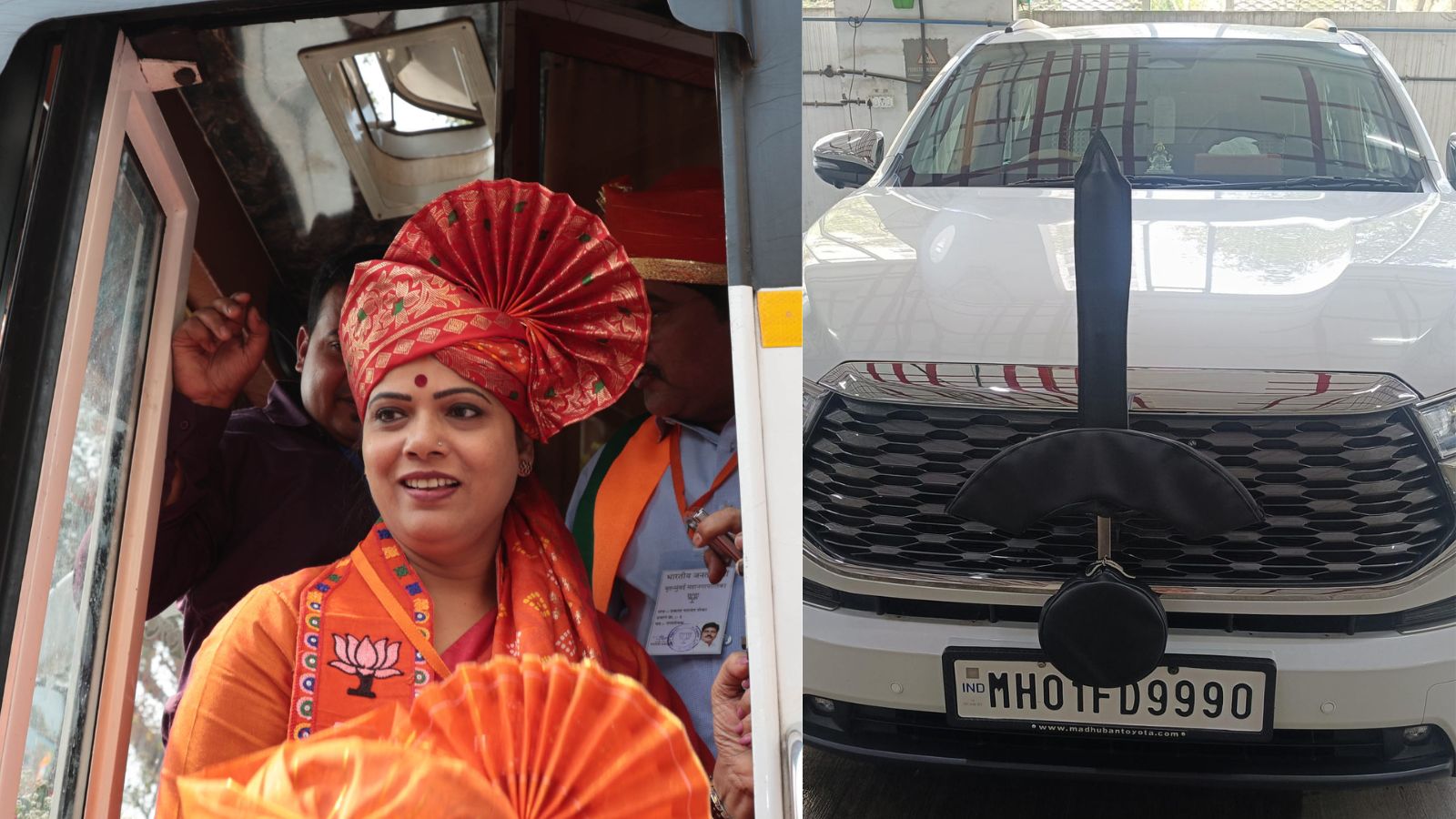
Summary
The Brihanmumbai Municipal Corporation (BMC) recently took action to remove flasher lights from the official vehicles used by the Mayor of Mumbai. This decision follows long-standing rules aimed at reducing the use of special signals by government officials who are not part of emergency services. Despite the physical removal of these lights, a heated debate continues between different political groups and city officials. The core of the issue lies in whether the Mayor, as the city's first citizen, should have special privileges to navigate traffic during official duties.
Main Impact
The removal of these flasher lights is a significant move toward ending what many call "VIP culture" in the city. By stripping the Mayor’s car of its beacons, the BMC is signaling that even high-ranking officials must follow the same traffic rules as ordinary citizens. However, this has created a divide in opinion. Supporters of the move say it promotes equality on the road, while critics argue that it hinders the Mayor’s ability to respond quickly to city emergencies or attend important public events on time.
Key Details
What Happened
In a sudden move, technical teams from the BMC were ordered to take off the amber and red flasher units from the Mayor's fleet of cars. This action was taken to align with national and state guidelines that restrict the use of such lights to only specific emergency vehicles like ambulances, fire trucks, and police cars. For several years, there has been confusion over whether city mayors fall into the category of "emergency" officials, and this latest action seeks to clarify that position by removing the equipment entirely.
Important Numbers and Facts
The rule regarding the ban on red beacons for most government officials originally came into effect across India in May 2017. Under these regulations, only a very small number of high-ranking constitutional authorities and emergency workers are permitted to use colored lights. In Mumbai, the Mayor’s office typically uses multiple vehicles for different official tasks. All of these vehicles have now been updated to comply with the standard traffic laws. This change affects not just the current Mayor but sets a rule for all future people who hold the office.
Background and Context
The use of beacons on cars has long been a symbol of power and status in India. For decades, politicians and bureaucrats used red or amber lights to bypass traffic and signal their importance. In 2017, the central government decided to ban these lights for most officials to make the roads fairer for everyone. The goal was to ensure that only those saving lives or maintaining law and order could use sirens and flashers. In Mumbai, the Mayor holds a very high social and political position, often attending hundreds of events and visiting disaster sites. Because of this busy schedule, many believed the Mayor should be an exception to the rule, leading to the "row" or argument that we see today.
Public or Industry Reaction
The reaction to the BMC's move has been mixed. Many citizens have praised the decision on social media, stating that traffic is already difficult in Mumbai and that VIP cars with flashers only make it worse. On the other hand, some political leaders feel this is an attempt to lower the prestige of the Mayor’s office. They point out that during the monsoon season or after major accidents, the Mayor needs to reach the scene quickly to oversee relief work. Some officials have suggested that while the lights are gone, the Mayor should still be given a police escort to ensure they are not stuck in traffic for hours during a crisis.
What This Means Going Forward
This development might lead to a wider crackdown on other city officials who still use unauthorized lights or sirens. The BMC may now face pressure to ensure that no other department heads or committee chairmen are using similar signals on their private or official cars. There is also a possibility that the state government might issue a new set of clear instructions to define exactly who counts as an "essential" worker. If the Mayor continues to face delays in traffic, there could be a push to create a new type of identification for their vehicle that does not involve a flasher light but still allows for some priority on the road.
Final Take
The removal of flasher lights from the Mayor’s car is a symbolic victory for those who want to see a more humble and law-abiding government. While it may cause some practical problems for the Mayor's daily schedule, it reinforces the idea that the law applies to everyone equally. The ongoing debate shows that while the physical lights are easy to remove, the culture of status and privilege is much harder to change. Moving forward, the city must find a way to let its leaders do their jobs effectively without making regular drivers feel like second-class citizens.
Frequently Asked Questions
Why were the flasher lights removed from the Mayor's car?
The lights were removed to follow government rules that ban the use of beacons for non-emergency officials. This is part of an effort to reduce VIP culture and ensure all drivers follow the same traffic laws.
Who is allowed to use flasher lights in Mumbai?
Only emergency services are allowed to use them. This includes the police, fire department, and medical services like ambulances. Most other government officials are prohibited from using them.
Will the Mayor still have priority in traffic?
Without the flasher lights, the Mayor's vehicle is technically treated like any other car. However, for very important official business, the Mayor may still receive a police escort which helps them move through traffic more quickly.



