
Summary
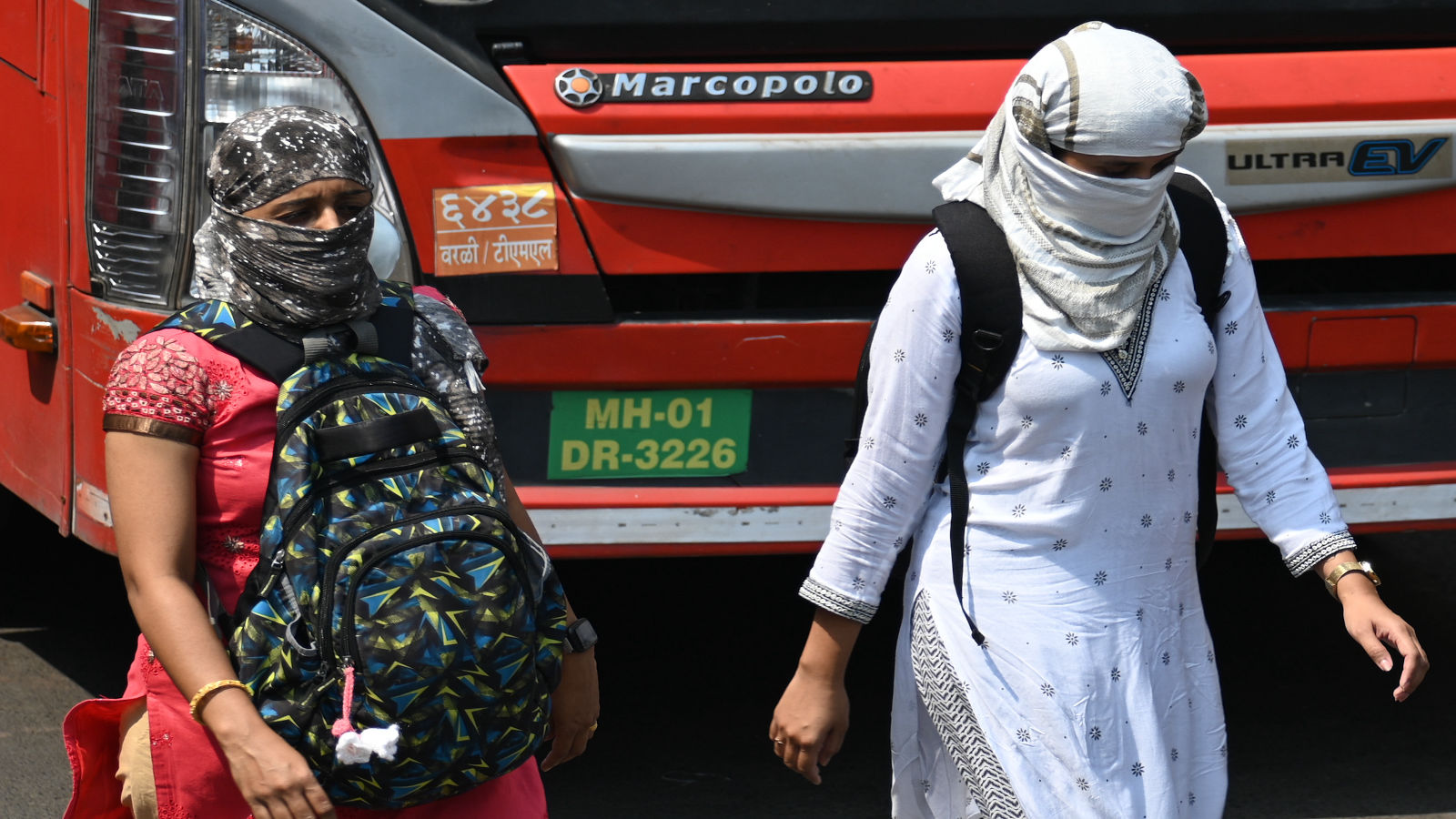
Mumbai is currently facing its fourth heatwave in the month of March, a rare and worrying weather event for the city. The India Meteorological Department (IMD) has officially upgraded its warning to a yellow alert as temperatures continue to stay well above normal levels. This series of heatwaves is putting a strain on public health and daily life, marking one of the hottest starts to the year in recent memory. Residents are being urged to take precautions as the city deals with this unusual weather pattern.
Main Impact
The primary impact of this heatwave is a significant risk to public health and the city's infrastructure. With temperatures rising 5 to 6 degrees Celsius above the seasonal average, the risk of heatstroke and dehydration has increased sharply. The constant heat is also causing a surge in electricity use as homes and offices run air conditioning for longer periods. This puts pressure on the power grid and raises concerns about potential outages if the high temperatures persist throughout the week.
Key Details
What Happened
The weather office decided to upgrade the alert level after observing that the heat was not subsiding as expected. A yellow alert is a signal for residents to be aware and prepared for extreme weather conditions. The heat is being driven by hot, dry winds coming from the northern and northwestern parts of the country. These winds are preventing the usual cool sea breeze from reaching the city, which normally helps keep Mumbai's temperatures under control during the afternoon.
Important Numbers and Facts
On March 23, 2026, weather stations in Mumbai recorded temperatures reaching as high as 39.2 degrees Celsius. This is a major jump from the typical March average of around 33 degrees Celsius. This event marks the fourth time in just three weeks that the city has met the official criteria for a heatwave. For a coastal city like Mumbai, a heatwave is declared when the maximum temperature reaches at least 37 degrees Celsius and is at least 4.5 degrees above the normal mark.
Background and Context
While March is the beginning of the summer season in India, having four separate heatwave events in a single month is highly unusual for Mumbai. Historically, the city experiences its most intense heat in April and May. Experts suggest that these early heatwaves are a sign of changing climate patterns. The "urban heat island" effect also plays a role, where the large number of concrete buildings and lack of green spaces trap heat, making the city feel much hotter than the surrounding rural areas. This trend has become more noticeable over the last decade, leading to more frequent and intense hot spells.
Public or Industry Reaction
Health officials and doctors have issued several advisories to help people stay safe. They recommend staying indoors during the peak sun hours, typically between 11 AM and 4 PM. Schools are also considering changing their schedules to ensure students are home before the hottest part of the day. Labor unions have expressed concern for outdoor workers, such as those in construction and food delivery, who are forced to work in dangerous conditions. Many citizens have taken to social media to share their struggles with the heat, calling for more public drinking water stations and shaded areas across the city.
What This Means Going Forward
As the city moves further into the summer, there are fears that April could bring even more extreme weather. The local government may need to activate a full Heat Action Plan, which includes setting up emergency cooling centers and ensuring hospitals are ready to handle a high volume of heat-related cases. In the long term, urban planners are being urged to consider more "cool roofs" and tree-planting initiatives to help lower the city's overall temperature. The current situation serves as a reminder that the city must adapt its infrastructure to handle a future where extreme heat becomes more common.
Final Take
The current weather in Mumbai is a clear signal that the city is facing new environmental challenges. While a yellow alert is a warning to stay cautious, the frequency of these heatwaves suggests that the city needs to rethink how it prepares for summer. Staying hydrated and avoiding the sun are helpful short-term steps, but a larger plan is needed to protect the millions of people who live and work in this rapidly warming urban environment.
Frequently Asked Questions
What does a yellow alert for heat mean?
A yellow alert is issued by the weather department to tell people to stay updated and be careful. It means that the heat is reaching levels that could be harmful to vulnerable groups like children, the elderly, and people with chronic illnesses.
Why is Mumbai experiencing so many heatwaves this month?
The heatwaves are caused by hot winds coming from the desert regions to the north. These winds are stronger than the cool breeze from the sea, which usually keeps Mumbai cool. Changing global weather patterns are also making these events happen more often.
How can I stay safe during a Mumbai heatwave?
The best ways to stay safe are to drink plenty of water, wear light cotton clothes, and avoid going outside during the hottest part of the day. If you must go out, try to stay in the shade and use an umbrella or a hat to protect yourself from direct sunlight.



