Summary
Israeli intelligence officials believe that Iran’s new supreme leader, Ayatollah Mojtaba Khamenei, may have been injured during the early stages of the current war. This news comes as Iran increases its military actions across the Middle East, including drone strikes near Dubai’s main airport and attacks on commercial ships. The conflict has caused a sharp rise in global oil prices and led to a major drop in ship traffic through the Strait of Hormuz, a vital path for the world's energy supply.
Main Impact
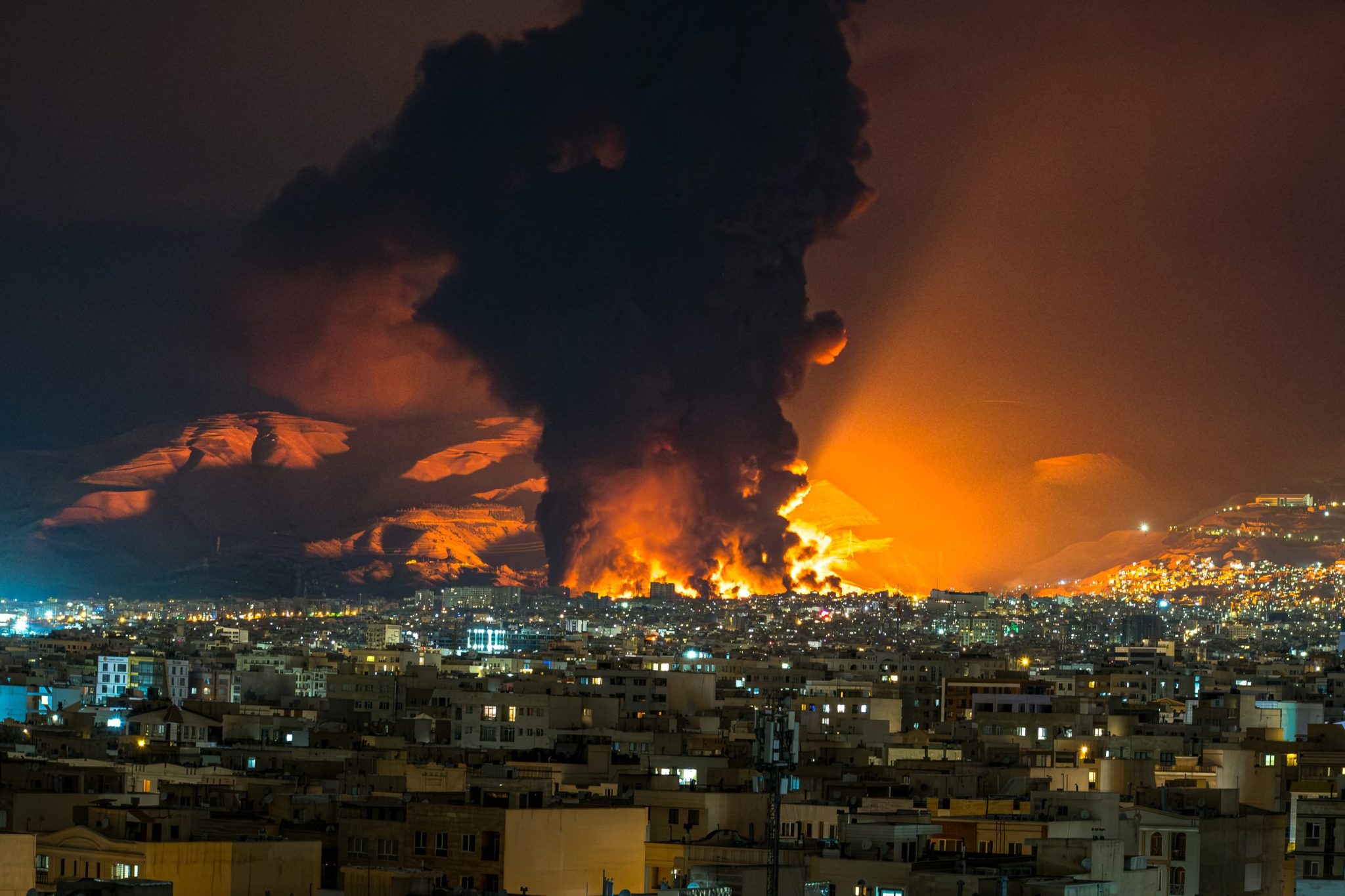
The possible injury to Mojtaba Khamenei creates significant uncertainty about the leadership of Iran at a time of intense fighting. If the leader is unable to perform his duties, it could change how the country manages its military strategy. Meanwhile, Iran’s decision to target financial centers and international shipping is designed to cause global economic stress. By attacking ships and threatening banks in cities like Dubai, Iran hopes to force the United States and Israel to stop their airstrikes on Iranian territory.
Key Details
What Happened
On Wednesday, the conflict spread to new areas. Two Iranian drones exploded near Dubai International Airport, which is one of the busiest airports in the world. While four people were injured, the airport remained open for flights. In the Persian Gulf, a Thai cargo ship was hit by a projectile and caught fire. Rescuers saved 20 crew members, but three remain missing. Iran also announced a new plan to target banks and financial buildings in the Middle East, putting major business hubs in Saudi Arabia, Bahrain, and the United Arab Emirates at risk.
Important Numbers and Facts
The human cost of the war continues to grow rapidly. Reports indicate that over 1,300 people have died in Iran since the fighting began on February 28. In Lebanon, the death toll has reached 570. Israel has reported 12 deaths, and the United States has lost seven soldiers. Economically, the impact is being felt at gas stations worldwide. Oil prices have jumped by about 20% since the start of the war. Shipping through the Strait of Hormuz has slowed to a crawl; usually, 100 ships pass through daily, but recently only a handful have made the trip.
Background and Context
Mojtaba Khamenei, who is 56 years old, became the supreme leader only this past Monday. He took over the position after his father, Ayatollah Ali Khamenei, was killed in an Israeli airstrike. His wife was also killed in that same attack. Because Mojtaba has not been seen in public since he took power, there has been a lot of talk about his health. The Strait of Hormuz, where many of the recent ship attacks occurred, is a narrow waterway that carries about 20% of the world’s oil. Any disruption there causes immediate worry for the global economy.
Public or Industry Reaction
World leaders and international organizations are trying to limit the damage from the war. The United Nations Security Council is preparing to vote on a plan that asks Iran to stop its attacks on neighboring countries. To help lower high energy costs, countries like Germany, Austria, and Japan are releasing millions of barrels of oil from their emergency reserves. This is part of a larger effort by the International Energy Agency to put 400 million barrels of oil into the market to keep prices from spiraling out of control.
What This Means Going Forward
The situation remains very dangerous for international trade and regional safety. The U.S. military recently destroyed 16 Iranian boats that were designed to lay mines in the water. If Iran successfully places mines in the Strait of Hormuz, it could take weeks or even months to clear the path for ships, even after the fighting stops. Additionally, the threat against banks could lead to a major financial crisis in the Middle East if international companies decide to move their operations out of the region to avoid being targeted.
Final Take
The reported injury to Iran’s new leader adds a layer of confusion to an already violent conflict. As Iran targets global travel and trade hubs, the effects of this war are moving far beyond the borders of the countries directly involved. The coming days will show if international pressure and the release of oil reserves can stabilize the global economy or if the fighting will continue to spread to new financial and civilian targets.
Frequently Asked Questions
Who is Mojtaba Khamenei?
He is the new supreme leader of Iran and the son of the previous leader, Ali Khamenei. He took power after his father was killed in an airstrike earlier this week.
Why is the Strait of Hormuz important?
It is a narrow sea passage that is essential for global trade. About one-fifth of all the oil used in the world passes through this waterway, making it a major focus during times of war.
How has the war affected oil prices?
Oil prices have increased by 20% since the war began. This has led many countries to release their emergency oil stocks to help keep fuel prices from rising too high for consumers.