
Summary
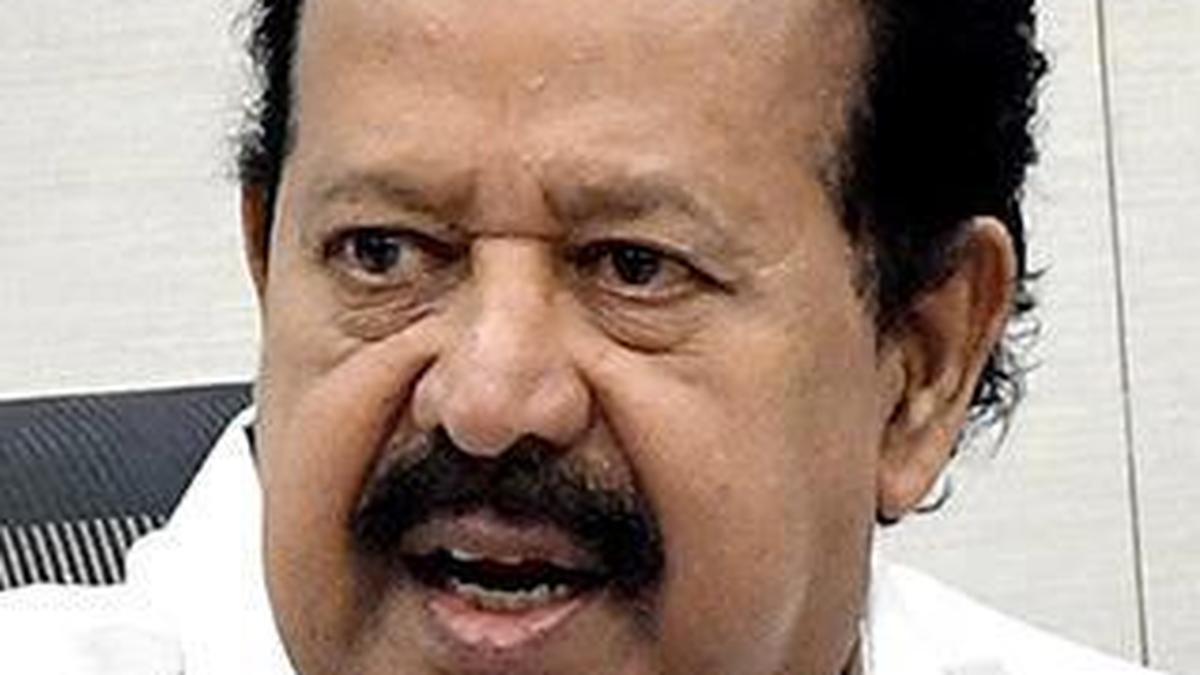
Tamil Nadu Minister K. Ponmudy has approached the Madras High Court to challenge a criminal complaint filed against him. The legal action follows a complaint by a BJP councillor who claims the minister made offensive remarks about Vaishnavites and Saivites. A lower court in Chennai had previously accepted the complaint and ordered the minister to appear. This case highlights the growing legal tension between political leaders over religious and ideological statements.
Main Impact
The decision by the High Court will have a significant effect on how political speeches are monitored in the state. If the court decides to set aside the complaint, it could provide more breathing room for politicians to express ideological views. However, if the case moves forward, it sends a strong message that religious sentiments must be respected, even in political debates. This legal battle is not just about one speech; it represents the ongoing friction between the ruling DMK party and the opposition BJP regarding religious traditions and social reform.
Key Details
What Happened
The legal trouble for Minister Ponmudy started after a public speech where he allegedly spoke in a way that hurt the feelings of two major Hindu groups. Vaishnavites, who follow Lord Vishnu, and Saivites, who follow Lord Shiva, are the two primary traditions within Hinduism in the region. A local councillor from the Bharatiya Janata Party (BJP) took offense at these remarks and filed a formal complaint. The councillor argued that the minister’s words were meant to create division and insult religious believers.
After reviewing the initial complaint, a Metropolitan Magistrate at George Town in Chennai decided there was enough evidence to proceed. On February 23, 2026, the magistrate took cognisance of the matter. This means the court officially recognized the case and decided it deserved a legal hearing. As a result, the court issued a summons, which is an official order for the minister to appear and answer the charges.
Important Numbers and Facts
The case was officially moved to the next stage on February 23, 2026. The complaint was filed in the George Town Magistrate Court, which is one of the busy legal hubs in Chennai. Minister Ponmudy is now asking the Madras High Court to use its power to "quash" or cancel the proceedings. In legal terms, a quash petition is a request to stop a case before it goes to a full trial because the accused believes the charges are baseless or legally flawed.
Background and Context
To understand why this case is so important, it helps to look at the history of politics in Tamil Nadu. For many decades, the state has been a place where leaders talk openly about social reform and religious practices. The DMK party, which Ponmudy belongs to, often follows a rationalist ideology. This means they sometimes criticize religious rituals or social structures they find unfair. On the other hand, the BJP often positions itself as a protector of religious traditions and the rights of believers.
Vaishnavism and Saivism are the pillars of South Indian temple culture. Most Hindu temples in the state belong to one of these two traditions. Because these groups represent a huge part of the population, any speech that seems to mock or belittle them can quickly become a major political issue. In recent years, several leaders have faced court cases for making comments about "Sanatana Dharma" or specific religious sects, making the courts the final judge of what is acceptable speech.
Public or Industry Reaction
The reaction to this legal move has been split along political lines. Supporters of the BJP have praised the councillor for taking a stand. They argue that being a minister does not give someone the right to insult the faith of millions. They believe the court summons is a necessary step to ensure accountability. Many religious groups have also expressed concern, stating that political discourse should focus on policy rather than attacking ancient traditions.
On the other side, supporters of Minister Ponmudy view the complaint as a political tactic. They argue that the BJP is using the legal system to silence its opponents and stop them from discussing social issues. They believe the minister’s speech was likely taken out of context or was intended to be a critique of social systems rather than an attack on faith itself. Legal experts are watching closely to see how the High Court balances the right to free speech with laws that prevent the wounding of religious feelings.
What This Means Going Forward
The Madras High Court will now examine the transcript of the speech to see if it meets the legal definition of "derogatory" or "hate speech." If the court finds that the minister was simply expressing a political opinion, they may stop the case. However, if they find that the words were intended to cause malice or religious disharmony, the minister will have to face a trial in the lower court. This could lead to a long legal process that might affect his political career and his role in the government.
This case also sets a precedent for other politicians. It serves as a reminder that in the age of digital recordings, every word spoken at a public rally can be used as evidence in court. Leaders across all parties may become more cautious about how they reference religious groups in their speeches to avoid similar legal hurdles.
Final Take
The legal challenge filed by Minister Ponmudy is a high-stakes move in a deeply divided political environment. While the minister seeks to protect his reputation and avoid a trial, the case highlights the delicate balance between political expression and religious respect. The High Court’s decision will be a major moment for the state's legal and political history, defining the boundaries of public debate for years to come.
Frequently Asked Questions
Why did the minister go to the High Court?
Minister Ponmudy went to the High Court to ask them to cancel a criminal complaint filed against him. He believes the case is not legally valid and wants to stop the summons issued by a lower court.
Who are the Vaishnavites and Saivites?
They are the two main groups within Hinduism. Vaishnavites follow Lord Vishnu, and Saivites follow Lord Shiva. They represent a large portion of the religious population in Tamil Nadu.
What happens if the High Court rejects the petition?
If the High Court rejects the petition, the minister will have to follow the original summons and appear before the Magistrate in George Town to face the charges and stand trial.



