Summary
As the March Madness tournament reaches the Sweet 16, the spotlight is not just on the players but also on the wealthy donors behind the teams. Some of the richest people in America are spending millions of dollars to support their favorite college basketball programs. These billionaires, including famous team owners and tech founders, provide the funding needed for new buildings, better training, and player deals. Their financial support helps these schools stay competitive in a sports industry now worth trillions of dollars.
Main Impact
The presence of billionaire money has changed how college sports work. While the NCAA tournament generates a lot of money, the way that money is shared means schools often need extra help. This year, the tournament is expected to pay out more than $270 million. However, this money goes to the athletic conferences rather than the schools themselves. To fill the gap, wealthy boosters step in with personal donations. This private funding allows schools to build world-class facilities and offer better opportunities to young athletes, which can be the difference between winning and losing on the national stage.
Key Details
What Happened
Several high-profile billionaires have been identified as major donors to schools that made it into the Sweet 16 this year. These individuals often have deep personal ties to the universities, usually because they attended the school years ago. Their donations are not just small gifts; they often reach tens of millions of dollars. This money is used for everything from basketball arena renovations to scholarships for students who are the first in their families to go to college.
Important Numbers and Facts
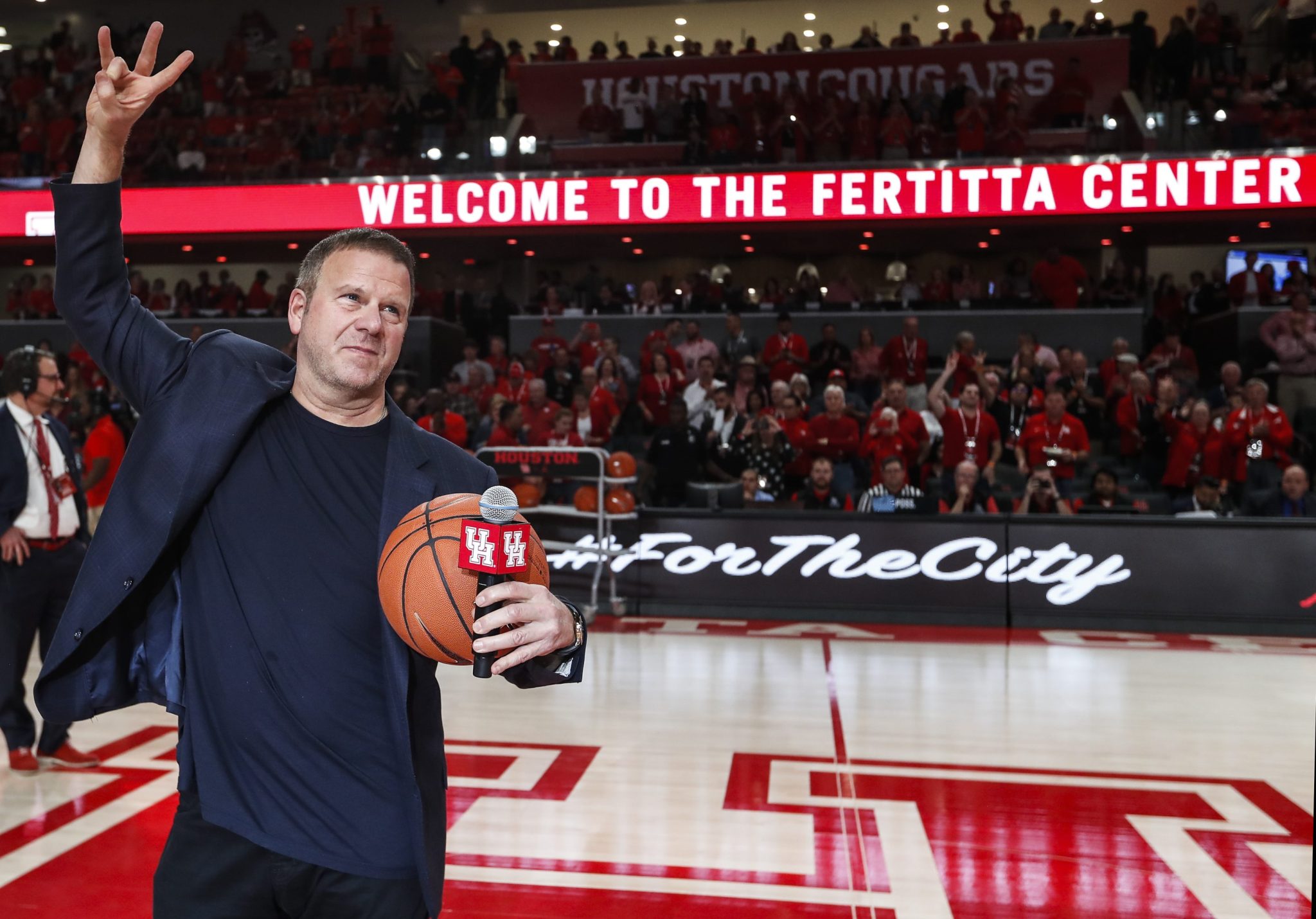
The financial scale of these donations is massive. For example, David Rubenstein, who helped start the Carlyle Group, has given more than $60 million to Duke University. Jerry Jones, the owner of the Dallas Cowboys, gave over $10 million to the University of Arkansas. In Houston, Tilman Fertitta pledged $20 million to help fix the school’s basketball arena, which now carries his name. Even the world’s richest people are involved, such as Oracle co-founder Larry Ellison, who supported the University of Michigan’s efforts to attract top talent. These gifts are part of a larger trend where the sports entertainment industry is valued at over $3 trillion globally.
Background and Context
College sports in America have become a massive business. In the past, donations were mostly for building libraries or classrooms. Today, a large portion of donor money goes toward athletics. This is because a successful sports team brings fame and more applications to a university. Many of these billionaires are former students who want to see their old schools succeed. They also see the value in "Name, Image, and Likeness" (NIL) deals, which allow college players to earn money. By funding these deals, billionaires can help their schools recruit the best players in the country.
Public or Industry Reaction
The reaction to this level of spending is mixed. Many fans are happy to see their teams get the best resources and win games. They appreciate the loyalty shown by famous alumni like Jerry Jones or Dan Gilbert. However, some people in the sports world worry that the gap between "rich" schools and "poor" schools is growing too wide. They feel that schools with billionaire backers have an unfair advantage in recruiting. Despite these concerns, the trend of big-money donations shows no signs of slowing down as the stakes in college basketball continue to rise.
What This Means Going Forward
Looking ahead, the influence of wealthy donors will likely grow even stronger. As the rules around player pay and recruiting continue to change, schools will rely more on private money to stay at the top. We can expect to see more arenas named after donors and more record-breaking donations for sports programs. The success of teams like Duke, Houston, and Michigan in this year's tournament proves that having a billionaire in your corner is a major advantage. This will push other schools to look for their own wealthy boosters to keep up.
Final Take
The road to the championship is paved with more than just hard work and talent. It is also built on the massive financial support of some of the world's wealthiest individuals. While the players give their all on the court, the billionaires in the stands are ensuring their schools have every possible tool to win. This mix of big business and college spirit has turned March Madness into a high-stakes game where the scoreboard and the bank account are both very important.
Frequently Asked Questions
Why do billionaires give so much money to college sports?
Most billionaire donors are former students who want to give back to their schools. They also enjoy the prestige and excitement of having a winning sports team associated with their name.
How does the NCAA tournament pay the schools?
The tournament pays money to the athletic conferences based on how many games their teams win. The conferences then share that money among all the member schools over a period of six years.
What is an NIL deal?
NIL stands for Name, Image, and Likeness. It is a set of rules that allows college athletes to be paid for things like advertisements, social media posts, and public appearances.