
Summary
The Maharashtra government has announced that teaching the Marathi language is now mandatory in all schools across the state. Minister Dadaji Bhuse stated that any school failing to follow this rule will face strict legal action. This rule applies to every educational board, including international and private ones, to ensure the local language is preserved. The government aims to make sure every student in the state gains a basic understanding of Marathi culture and communication.
Main Impact
This decision has a major impact on thousands of schools that do not follow the state board curriculum. Schools under the CBSE, ICSE, IB, and IGCSE boards must now adjust their schedules to include Marathi as a compulsory subject. For many private schools, this means hiring new teachers and changing their daily lesson plans. The move is designed to bridge the gap between different types of schools and ensure that all children growing up in Maharashtra can speak and write the local language.
Key Details
What Happened
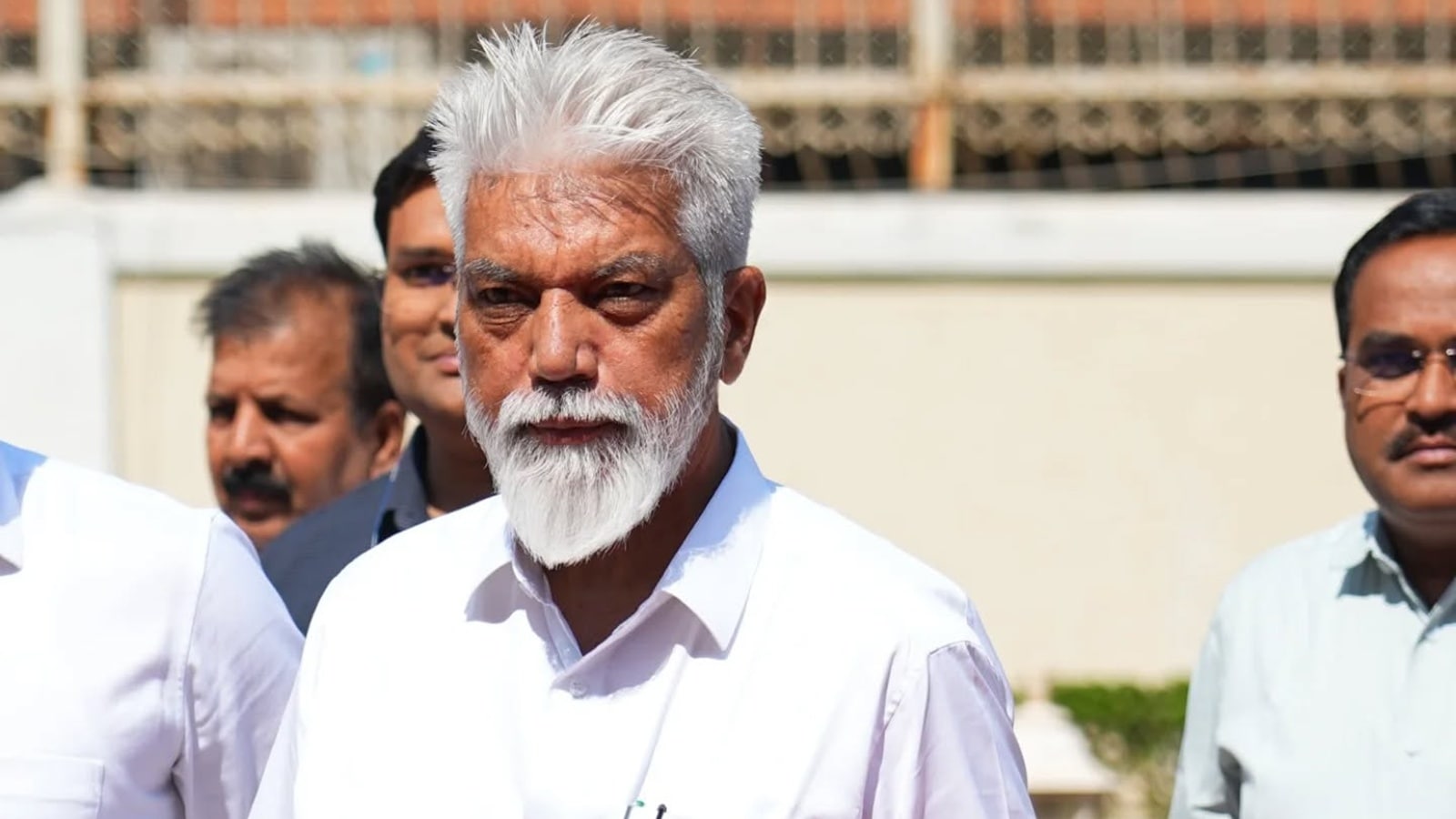
Minister Dadaji Bhuse shared this update during a session in the state assembly. He was responding to questions about how the state's language laws are being followed. The Minister noted that while a law was passed a few years ago, some schools were still not teaching Marathi properly. He made it clear that the government will no longer ignore these violations. Schools that treat Marathi as an optional subject or skip it entirely will be held accountable.
Important Numbers and Facts
The foundation of this rule is the "Maharashtra Compulsory Teaching and Learning of Marathi Language Act," which was passed in 2020. Under this law, Marathi must be taught from Class 1 through Class 10. There are over 25,000 schools in the state that follow non-state boards, and all of them fall under this requirement. The government has the power to fine schools or even cancel their permission to operate if they repeatedly break this law. The Minister also mentioned that the state would set up special teams to visit schools and check if the language is actually being taught in classrooms.
Background and Context
The debate over local languages in schools is not new in India. Many states believe that students should learn the language of the place where they live. In Maharashtra, Marathi is the official language and a big part of the state's identity. The 2020 Act was created to make sure that even students in high-end private schools stay connected to the local culture. Before this law, many international schools focused only on English and foreign languages like French or Spanish. The government feels that knowing the local language helps students interact better with the community and understand local traditions and laws.
Public or Industry Reaction
The reaction to this announcement has been mixed. Many local groups and parents have praised the government for being strict. They believe that if a child lives in Maharashtra, they should know Marathi. On the other hand, some school managements are worried about the practical side of the rule. They argue that it is difficult to find enough qualified Marathi teachers on short notice. Some parents of students who move frequently between states are also concerned. They worry that adding another language might be hard for children who are already studying multiple subjects. However, the government has stood firm, saying that the law must be followed by everyone.
What This Means Going Forward
In the coming months, schools will likely face more inspections from education officers. Schools that have not yet started Marathi classes will need to quickly update their curriculum. The state government might also release new guidelines on how to teach the language to students who do not speak it at home. For schools that continue to ignore the rule, the biggest risk is losing their "No Objection Certificate" (NOC). Without this certificate, a school cannot legally operate in the state. This shows that the government is serious about enforcement this time.
Final Take
The strict enforcement of Marathi in schools is a clear sign that the state wants to protect its cultural roots. By making the language mandatory for all, the government is ensuring that every student, regardless of their background, has the tools to communicate with the people around them. While it may pose some challenges for international schools, the long-term goal is to create a more inclusive and culturally aware generation of students in Maharashtra.
Frequently Asked Questions
Which schools have to teach Marathi?
All schools in Maharashtra, including those under CBSE, ICSE, IB, and IGCSE boards, must teach Marathi as a compulsory subject.
What are the consequences for schools that do not comply?
Schools that fail to teach Marathi can face heavy fines, legal action, or the cancellation of their official permission to operate in the state.
Which classes are required to learn the language?
According to the state law, Marathi must be taught to all students from Class 1 to Class 10.



