
Summary
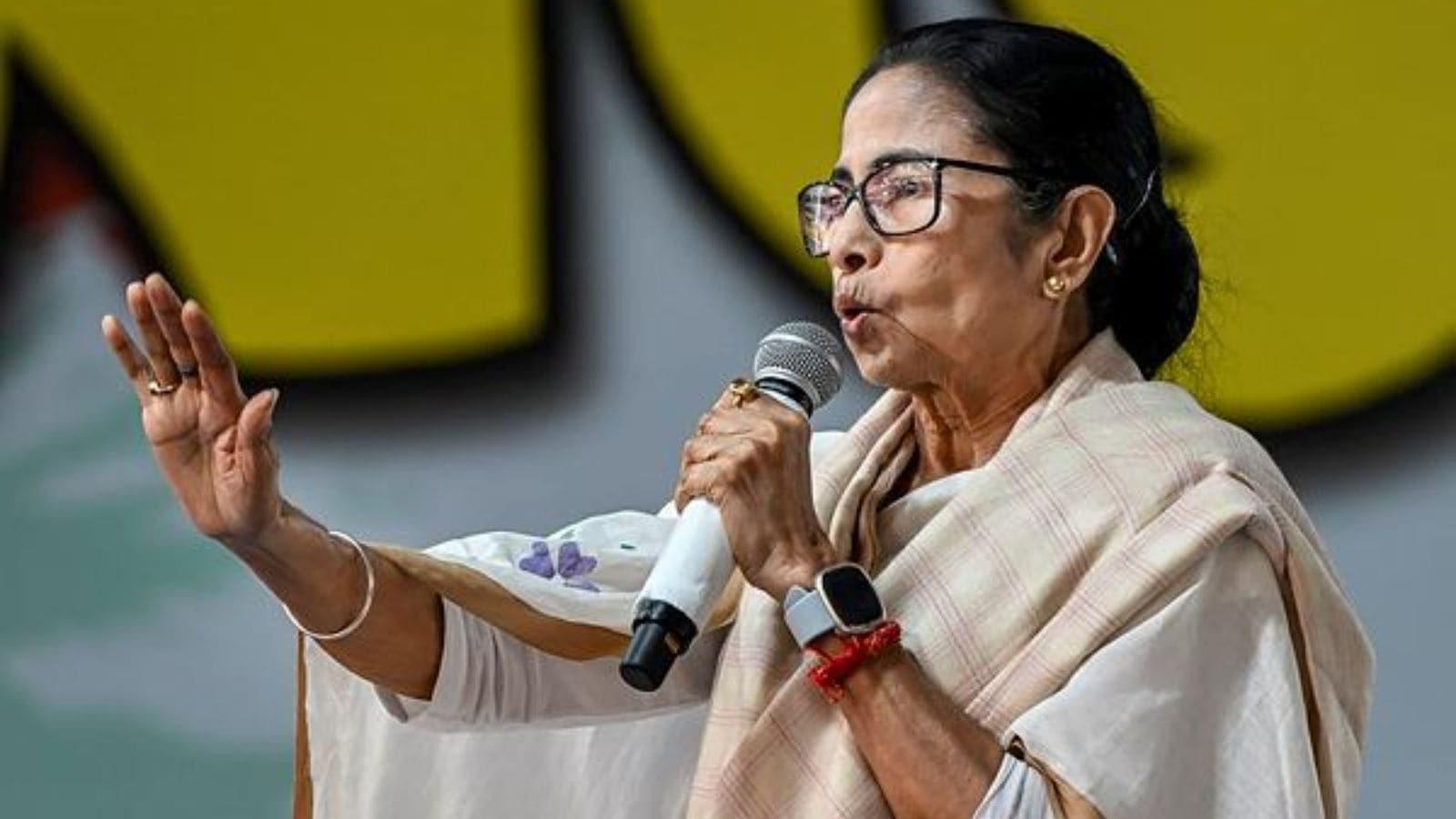
West Bengal Chief Minister Mamata Banerjee has expressed strong disapproval following the Election Commission of India’s (ECI) recent decision to transfer several top state officials. The Chief Minister claimed she is fully aware of the motives behind these sudden administrative changes. She suggested that the moves are designed to favor the opposition and create hurdles for the state government during the election period. This development has once again sparked a heated debate over the powers of the election body and the independence of state administration.
Main Impact
The ECI’s order has led to an immediate shake-up in the state’s security and administrative leadership. By moving key officers out of their roles, the commission aims to ensure that the upcoming elections are conducted without any local bias. However, the impact is also deeply political. The ruling Trinamool Congress (TMC) views this as an interference in state affairs, while opposition parties have welcomed the move, claiming it is necessary for a fair voting process. This tension could affect how the state and central authorities work together during the busy election weeks ahead.
Key Details
What Happened
The Election Commission of India issued a formal order to transfer a group of high-ranking officials in West Bengal. This list included the Director General of Police (DGP) and several District Magistrates. Under the current rules, the ECI has the power to move officials if it believes their presence might influence the election results or if there are complaints about their neutrality. Mamata Banerjee reacted to this during a public meeting, stating that she "knows exactly what they are doing" and accused the commission of following a script written by the central government.
Important Numbers and Facts
The order affected multiple districts across the state. In previous election cycles, West Bengal has seen similar large-scale transfers. For instance, during the last major polls, dozens of officers were moved within a single week. The ECI usually acts based on reports from observers who monitor the ground situation. The timing of this order is critical, as it comes just as the campaign season is reaching its peak. The state government is now required to provide a list of three new names for each vacant position, from which the ECI will choose the replacements.
Background and Context
In India, when elections are announced, a set of rules called the Model Code of Conduct begins. During this time, the Election Commission takes control of the administrative machinery to prevent the ruling party from using government resources for campaigning. One of their most powerful tools is the ability to transfer police and civil servants. In West Bengal, the relationship between the state government and the ECI has been tense for many years. The Chief Minister often argues that these transfers insult the state’s sovereignty and disrupt the daily work of the government.
Public or Industry Reaction
The reaction to the order has been split along party lines. Leaders from the Trinamool Congress have called the move "undemocratic" and a "direct attack" on the federal structure of the country. They argue that the ECI is being used as a tool by the Bharatiya Janata Party (BJP) to gain an advantage. On the other hand, BJP leaders in the state have praised the ECI. They claim that many officials in West Bengal work as "cadres" for the ruling party and that moving them is the only way to ensure that people can vote without fear. Local citizens are watching closely, as these changes often lead to a heavier presence of central security forces in their neighborhoods.
What This Means Going Forward
Looking ahead, the state government must comply with the ECI’s directives, even if they do so under protest. The new officers will have to quickly learn the details of their new districts to maintain law and order. There is a risk that these frequent changes could lead to confusion in the local administration. However, the ECI believes that bringing in fresh faces will build public trust in the voting process. If the tension continues to rise, we may see more legal challenges or formal complaints sent to the President of India regarding the commission’s conduct.
Final Take
The clash between Mamata Banerjee and the Election Commission highlights a major challenge in Indian politics: balancing the power of the state with the need for independent oversight. While the ECI aims to protect the integrity of the vote, the state government sees these actions as a sign of distrust. Ultimately, the success of the election will depend on whether the new officials can remain neutral and whether the political parties can focus on the issues rather than the administrative process.
Frequently Asked Questions
Why does the Election Commission transfer officials during elections?
The ECI transfers officials to ensure that no one in a position of power uses their influence to help a specific political party. This is done to keep the elections fair and neutral.
Can a Chief Minister refuse to follow the ECI’s transfer orders?
No, once the election dates are announced and the Model Code of Conduct is in place, the ECI has the legal authority to order these changes. The state government must follow the instructions.
How are new officials chosen after a transfer?
The state government usually sends a panel of three names for each position to the ECI. The commission then reviews their records and selects the person they believe is best suited for the job.



