
Summary
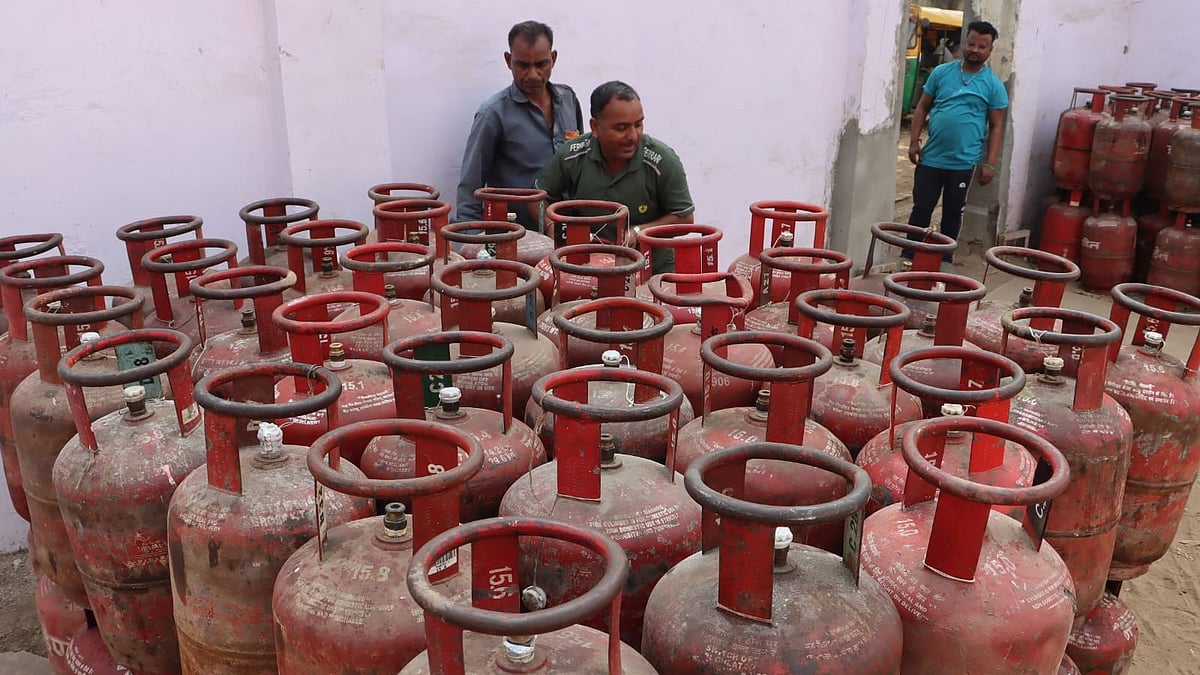
The Maharashtra government has taken proactive steps to protect the state's fuel supply. New control rooms and district-level committees have been set up to monitor the distribution of liquefied petroleum gas (LPG). This decision follows growing concerns over the ongoing conflict in West Asia, which often affects global energy markets. Officials have assured the public that there is currently no shortage of gas and have asked citizens to remain calm and avoid panic buying.
Main Impact
The primary goal of this move is to maintain a steady flow of cooking gas to households and essential services. By creating a dedicated monitoring system, the government can quickly identify and fix any breaks in the supply chain. This structure also helps prevent the spread of rumors that could lead to artificial shortages. The state wants to ensure that even if international tensions rise, the local population does not face difficulty in getting basic fuel for cooking and heating.
Key Details
What Happened
Anil Diggikar, a senior official in the Food, Civil Supplies and Consumer Protection Department, issued instructions to set up these monitoring bodies. Each district will now have a committee led by the District Collector. These teams will include police officers, supply officials, and representatives from government-run oil companies. Their job is to watch over the entire process, from the refinery to the delivery truck, ensuring that nothing blocks the path of LPG cylinders to consumers.
In the Mumbai and Thane areas, a special committee will work under the Controller of Rationing. This group will focus on the high demand in these crowded urban zones. Beyond just monitoring, these committees are tasked with maintaining law and order at distribution points if necessary and providing daily updates to the state government.
Important Numbers and Facts
The government shared specific data to prove that the state has more than enough fuel. Currently, Maharashtra needs about 9,000 metric tonnes of LPG every day. To be safe, refineries have increased their production to 11,000 metric tonnes per day. This creates a daily surplus that helps build up a reserve.
Other fuels are also being monitored closely. Refineries are working at their maximum capacity to produce 15,000 kilolitres of petrol and 38,000 kilolitres of diesel every day. Officials confirmed that stocks of piped natural gas (PNG) for homes are also at healthy levels. These figures suggest that the state is well-prepared for any short-term disruptions in global oil markets.
Background and Context
West Asia is a critical region for the world's energy supply. Many countries, including India, rely on this area for crude oil and gas. When tensions or conflicts break out there, it often leads to fears that shipping routes might be blocked or production might slow down. In the past, such fears have led to people rushing to gas agencies to stock up on cylinders, which actually creates a shortage where there wasn't one before.
By setting up these control rooms now, the Maharashtra government is trying to stay ahead of the problem. They are focusing on "essential services" first. This means hospitals, school kitchens, government hostels, and social welfare programs like the mid-day meal scheme will get their gas cylinders before anyone else. This ensures that the most vulnerable people in society are protected if a real supply issue occurs.
Public or Industry Reaction
The government is working hard to manage public perception. They have directed officials to use radio, television, and newspapers to share daily updates about how much fuel is available. This transparency is meant to build trust with the public. Furthermore, the government has sent a strong warning to social media users. Anyone found spreading fake news or "scare stories" about gas shortages could face legal action.
Oil companies have also been told to improve their technology. Many people use mobile apps or missed-call services to book their gas cylinders. The government has asked these companies to fix any technical glitches immediately so that people do not feel frustrated or worried when trying to place an order.
What This Means Going Forward
In the coming weeks, residents will see more active management of fuel supplies. The state has even asked authorities to look into alternative fuels like coal or kerosene as a backup plan, though they must follow environmental rules. A new WhatsApp-based system will also be launched. This will allow citizens to report problems or file complaints directly if they have trouble getting their gas cylinders.
The government will continue to monitor the situation in West Asia. If the crisis worsens, the district committees are already in place to handle emergency distribution. For now, the message to the public is clear: the state has more gas than it needs, and there is no reason to change normal buying habits.
Final Take
Maharashtra is showing how local governments can prepare for global problems. By setting up clear lines of communication and increasing production before a crisis hits, the state is protecting its citizens from both fuel shortages and the anxiety that comes with them. The focus on data and transparency should help keep the market stable while the international situation remains uncertain.
Frequently Asked Questions
Is there a shortage of LPG in Maharashtra right now?
No. The state currently produces 11,000 metric tonnes of LPG per day, which is more than the daily demand of 9,000 metric tonnes. There is plenty of supply for everyone.
Why did the government set up control rooms?
The control rooms were created to monitor the supply chain and prevent any disruptions caused by the conflict in West Asia. They also help stop the spread of rumors and ensure essential services like hospitals get priority.
What should I do if I hear there is a gas shortage?
You should check official government updates on the radio, TV, or news. The government has warned against believing unverified reports on social media and has assured the public that stocks are adequate.

