
Summary
The ongoing war in West Asia has caused a major stop in food exports from Maharashtra. Farmers who grow grapes, mangoes, onions, and rice are facing huge financial losses because they cannot send their goods to other countries. Thousands of shipping containers are currently stuck at ports, and the cost of shipping has increased by more than three times. This situation is forcing farmers to sell their high-quality produce in local markets at very low prices just to avoid total waste.
Main Impact
The biggest impact of this trade halt is being felt in the rural economy of Maharashtra. Since the state provides a large portion of India’s fruit and vegetable exports, the sudden stop has created a massive surplus of food within the state. Because there is too much supply and not enough local demand, the prices for items like Alphonso mangoes and watermelons have crashed. Farmers who expected to make a good profit during the current season are now struggling to cover their basic costs.
Key Details
What Happened
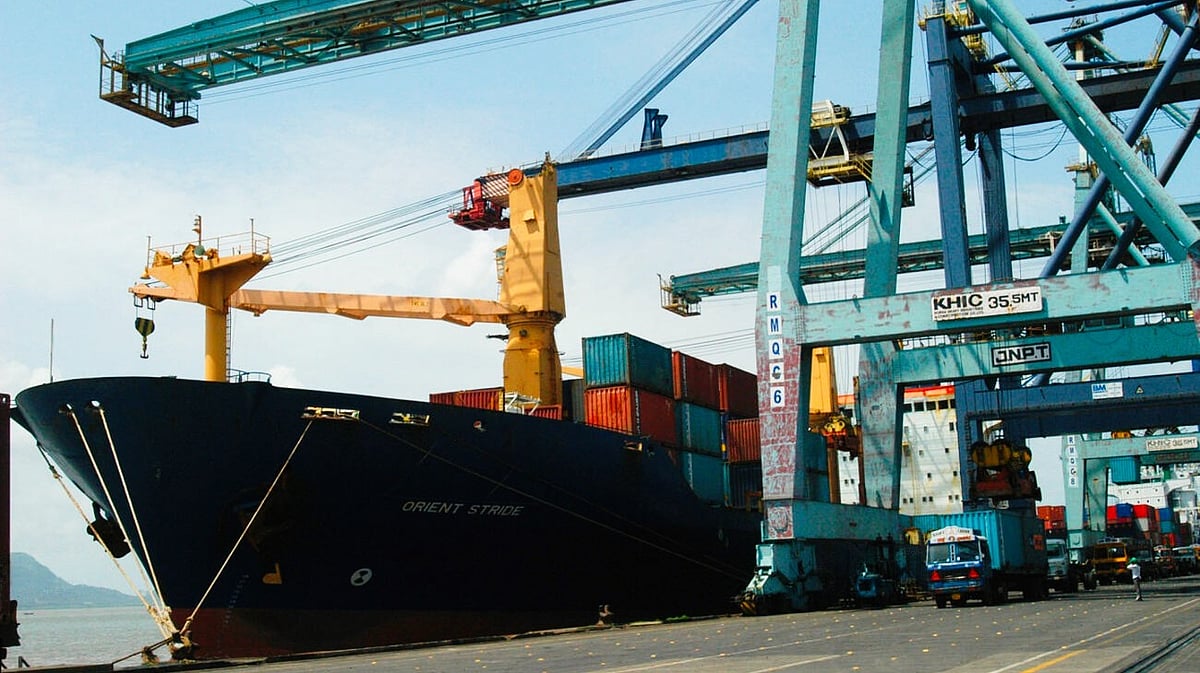
Conflict in the West Asia region has made shipping routes dangerous and difficult to use. This has led to a backup at the Jawaharlal Nehru Port Trust (JNPT) in Navi Mumbai. More than 1,000 shipping containers filled with food are sitting idle because ships cannot safely reach their destinations in the Gulf or Europe. Many of these items are perishable, meaning they will rot if they are not sold quickly. This has forced exporters to cancel orders and stop buying from farmers.
Important Numbers and Facts
The scale of the disruption is visible in the following data points:
- Grapes: Over 16,000 tonnes of grapes are stuck. Maharashtra produces 80 percent of India’s export grapes.
- Shipping Costs: The price to rent a shipping container has jumped from around $600 to as much as $6,000.
- Rice: In the Vidarbha region, more than one million tonnes of rice exports have been affected.
- Financial Value: In the Gondia district alone, rice exports worth Rs 1,200 crore are at risk.
- Relief: The central government has announced a relief package of Rs 497 crore, but it is unclear how this will help individual farmers.
Background and Context
This trade disruption is happening at the worst possible time for farmers. The months of March and April are usually the busiest for exports to the Gulf countries. This is because demand for fresh fruit and rice usually peaks during the month of Ramzan. Farmers in Nashik and the Konkan region plan their entire year around this window of high demand. Without the ability to ship to countries like Iran, Saudi Arabia, and Qatar, the entire supply chain has broken down. Additionally, rising heat in Maharashtra is making it harder to keep crops fresh while they wait for buyers.
Public or Industry Reaction
Leaders in the farming industry are expressing deep concern. Kailash Bhosale, who leads the Maharashtra Grape Growers Association, noted that the cost of insurance and fuel has made it almost impossible to send goods to Europe or Russia. In the Konkan region, mango growers are worried that the famous Alphonso mango will not reach international markets at all this year. Rice mill owners in eastern Maharashtra say their warehouses are full, and they have no more space to store grain that was supposed to be sent to Africa and the Middle East.
What This Means Going Forward
The future depends on how long the conflict in West Asia lasts. If the shipping routes do not open soon, more farmers will be forced to sell their goods at "distress prices," which are prices so low that the farmer loses money. There is also a risk that international buyers might look for other countries to supply their food in the future, which could hurt India's reputation as a reliable trade partner. The government may need to provide more direct financial help to farmers to prevent a long-term economic crisis in the countryside.
Final Take
This situation shows how global events can directly hurt local workers thousands of miles away. While the war is happening in a different part of the world, the farmers of Maharashtra are paying the price through lost income and wasted crops. The focus now must be on finding new markets for this produce and ensuring that the promised government aid reaches the families who need it most.
Frequently Asked Questions
Why are Maharashtra's exports stuck?
Exports are stuck because the war in West Asia has made shipping routes unsafe. This has caused ships to stop moving or take much longer, more expensive paths, leaving containers stranded at ports like JNPT.
Which crops are being affected the most?
The most affected crops include grapes from Nashik, Alphonso mangoes from the Konkan region, and rice from Vidarbha. Other items like watermelons, bananas, and onions are also seeing major price drops.
How has the cost of shipping changed?
Shipping costs have increased significantly. Prices that used to be between $600 and $1,800 per container have now risen to between $4,000 and $6,000 due to higher fuel costs and insurance risks.

