
Summary
The Maharashtra government has announced the creation of a special task force to tackle the growing problem of illegal medical clinics. This team will be responsible for suggesting changes to current laws to make them tougher on fake doctors. The decision comes after several lawmakers raised concerns about the safety of citizens who visit these unauthorized centers. By updating the legal framework, the state aims to ensure that only qualified professionals provide medical care.
Main Impact
This new initiative is expected to have a major effect on how healthcare is monitored across Maharashtra. For years, illegal clinics have operated in both busy cities and remote villages, often putting lives at risk. The formation of this task force means that the government is moving toward a zero-tolerance policy for medical fraud. Once the suggested legal amendments are put into place, local authorities will have more power to shut down suspicious clinics and arrest those practicing without a valid license.
The move also aims to protect the reputation of the medical profession. When fake doctors provide poor treatment, it can lead to a loss of trust in the entire healthcare system. By removing these bad actors, the state helps legitimate doctors and hospitals maintain the trust of their patients. This will likely lead to a safer environment for everyone seeking medical help, as the threat of heavy fines and jail time will act as a strong warning to anyone thinking of opening an illegal practice.
Key Details
What Happened
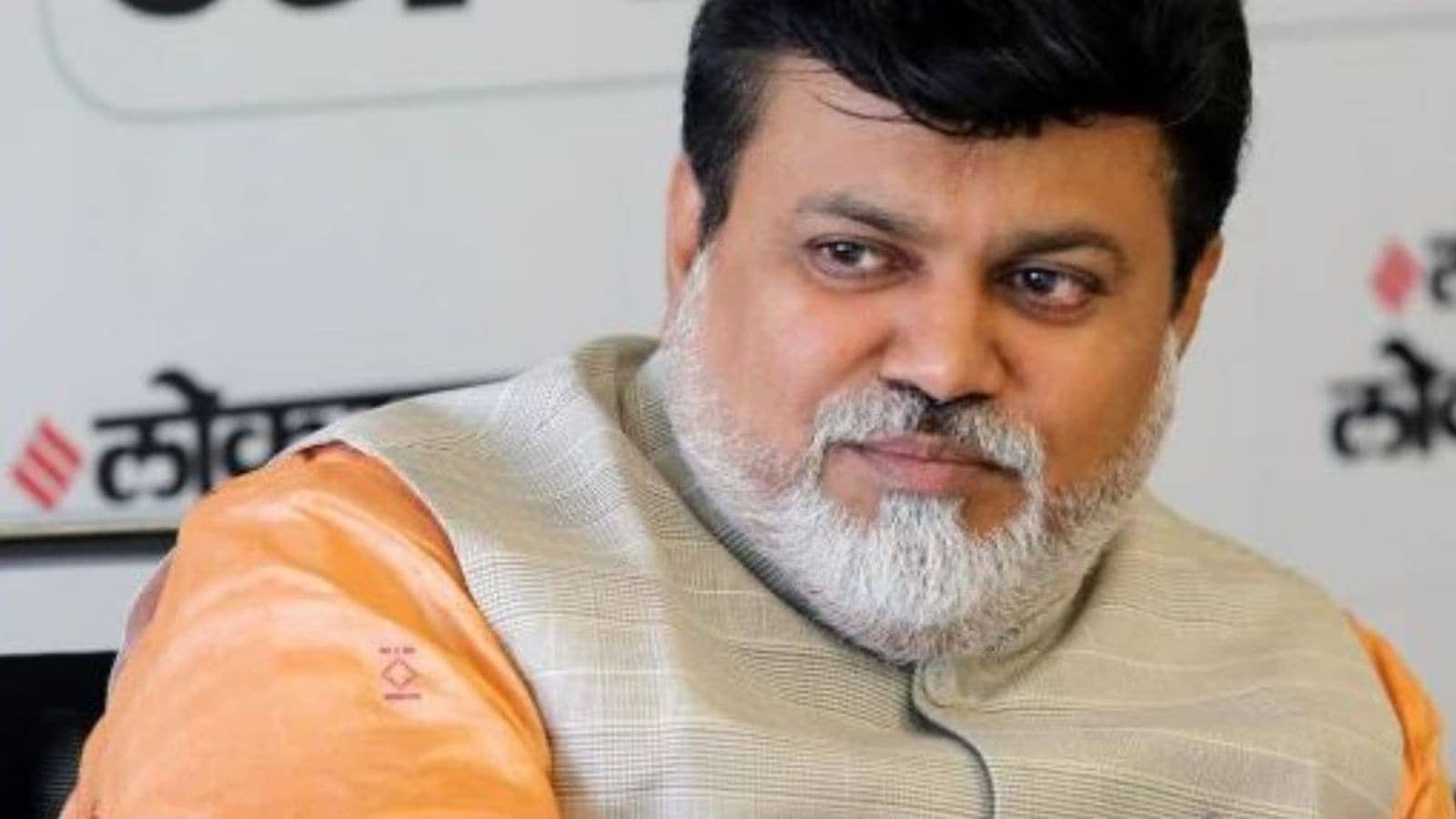
Industries Minister Uday Samant shared this plan during a session in the state assembly. He explained that the government recognizes the danger posed by "bogus" doctors who use fake degrees to treat unsuspecting people. The task force will not work in isolation; it will bring together experts from the health department, the home department, and legal specialists. Their job is to find the weak spots in the current laws and suggest ways to fix them so that offenders cannot easily escape punishment.
Important Numbers and Facts
The announcement was made on March 16, 2026, following a heated discussion about public health safety. The task force will specifically look at the Maharashtra Medical Practitioners Act. This law governs how doctors are registered and how clinics are allowed to operate. In recent years, hundreds of cases of fake doctors have been reported across the state, highlighting the need for a more modern and strict set of rules. The task force is expected to submit its findings and suggestions in a timely manner to allow for quick legislative action.
Background and Context
The issue of illegal clinics is not new in Maharashtra, but it has become more serious as the population grows. In many areas, especially where government hospitals are far away, people often turn to small local clinics for quick help. Unfortunately, some of these clinics are run by individuals who have no formal medical training. These people are often called "quacks." They may give out wrong medicines or perform procedures they are not qualified to do, which can lead to permanent health damage or even death.
Current laws have sometimes been too weak to stop these individuals. In many cases, when an illegal clinic is caught, the owners simply pay a small fine and open a new clinic in a different neighborhood. The government now realizes that the only way to stop this cycle is to change the law itself. By making the penalties much harsher and the registration process more transparent, they hope to clear the state of these dangerous practices.
Public or Industry Reaction
Medical associations and health experts have largely welcomed the news. Many doctors who have spent years studying for their degrees feel that illegal practitioners devalue their hard work and put the public in danger. They have been asking for stricter rules for a long time. Members of the Legislative Assembly (MLAs) from various political parties also supported the move, noting that their voters often complain about being cheated by fake medical professionals.
However, some activists point out that while making laws is a good step, the real challenge lies in enforcement. They argue that the government must also ensure that there are enough inspectors to check clinics regularly. Without proper monitoring on the ground, even the strongest laws might not be enough to solve the problem completely.
What This Means Going Forward
In the coming months, the task force will hold meetings to draft the new legal language. Once these amendments are passed by the state legislature, we can expect to see a wave of inspections across Maharashtra. Clinics will likely be required to display their licenses and the degrees of their doctors more clearly. There may also be a new digital system where patients can quickly check if a doctor is officially registered with the state medical council.
For the public, this means they will need to be more careful and look for official signs of registration when visiting a new clinic. For those running illegal operations, the window of opportunity is closing. The state is making it clear that healthcare is a serious matter and that anyone playing with people's lives will face the full force of the law.
Final Take
The decision to form a task force is a vital step in cleaning up the medical sector in Maharashtra. By focusing on legal changes, the government is building a foundation for long-term safety. While the results will depend on how well these new rules are followed, the commitment to protecting citizens from fake doctors is a positive sign for the future of public health in the state.
Frequently Asked Questions
What is the main goal of the new task force?
The main goal is to suggest legal changes that will help the government shut down illegal clinics and punish fake doctors more effectively.
Who will be part of this task force?
The team will include officials from the health and home departments, along with legal experts who understand medical laws.
How will this help regular patients?
It will make it harder for unqualified people to open clinics, ensuring that when you go for medical help, you are being treated by a real, licensed doctor.



