
Summary
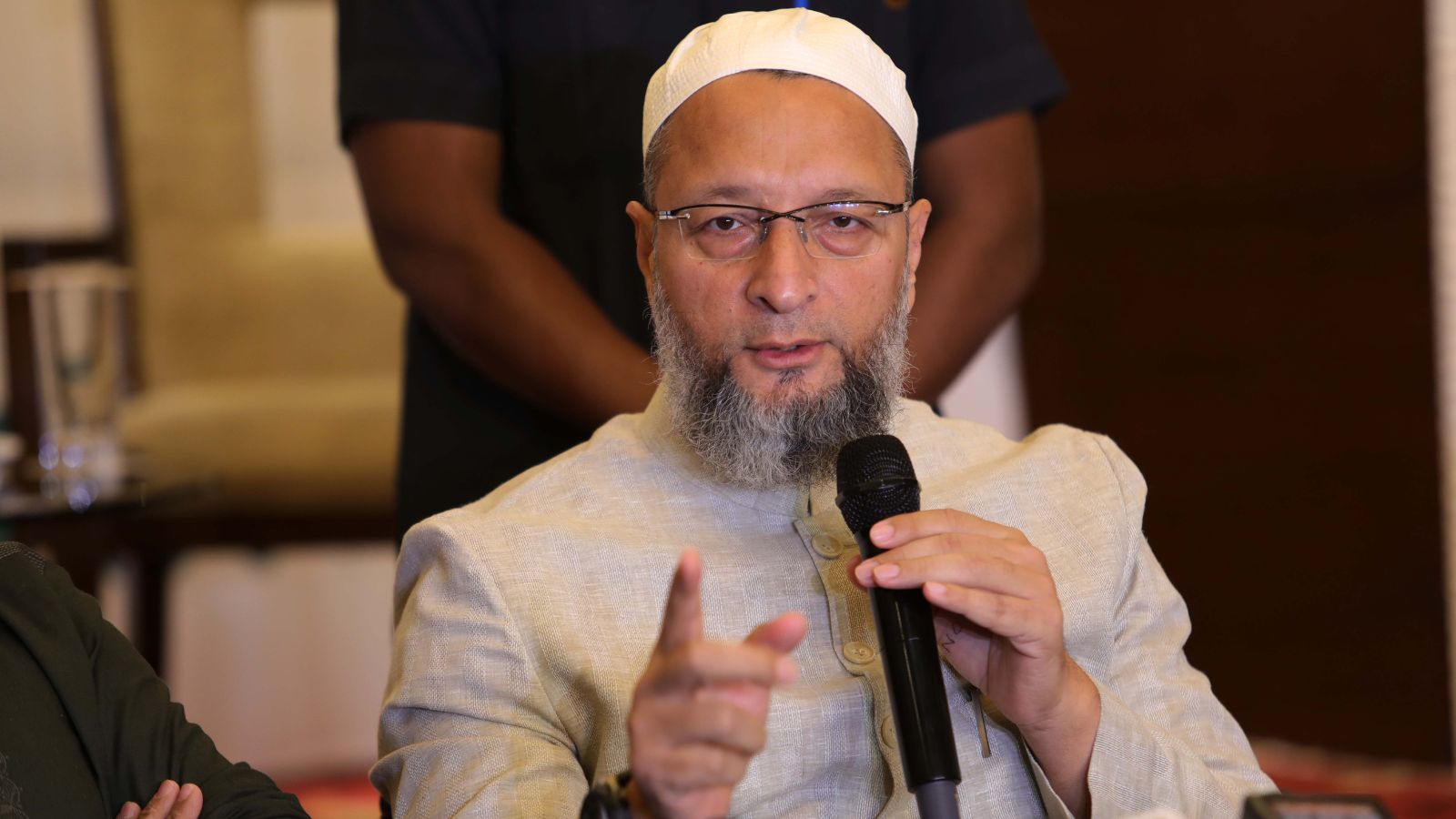
Asaduddin Owaisi, the leader of the AIMIM, has voiced strong opposition to Maharashtra’s new anti-conversion Bill. He described the proposed law as being "worse than the worst," comparing it unfavorably to similar laws in other Indian states. Owaisi is concerned that the Bill gives the police too much power and uses vague language that could be used to harass innocent people. His criticism focuses on how the law handles personal choices and religious freedom.
Main Impact
The introduction of the Maharashtra Freedom of Religion Bill marks a significant shift in how the state monitors the personal lives of its citizens. If passed, the law will change the legal requirements for changing one's religion and will give the government more control over interfaith marriages. The most significant impact is the potential for increased police involvement in private matters, which critics say could lead to a climate of fear and a loss of individual liberty.
Key Details
What Happened
The Maharashtra government recently introduced a Bill aimed at stopping religious conversions that happen through force, fraud, or "allurement." During a public discussion, Asaduddin Owaisi attacked the Bill, claiming it violates the basic rights guaranteed by the Indian Constitution. He argued that the law is designed to target specific communities and treats adult citizens as if they cannot make their own decisions about their faith.
Important Numbers and Facts
The Bill includes several strict provisions that have caught the attention of legal experts and politicians. One major point is the "brainwashing" clause, which Owaisi claims is not clearly defined in the text. Additionally, the Bill allows the police to take action "suo motu," which means they do not need a victim to file a complaint before they start an investigation. The law also shifts the "burden of proof" to the accused, meaning a person must prove they are innocent rather than the state proving they are guilty. This is a major departure from standard legal practices where a person is considered innocent until proven guilty.
Background and Context
Anti-conversion laws have been a topic of intense debate in India for several years. Several states, mostly those governed by the BJP, have passed similar laws to prevent what they call "unlawful" conversions. These laws are often linked to the "Love Jihad" narrative, which claims that men from minority communities trick women into marriage to convert them. However, many legal scholars argue that these laws interfere with the right to privacy and the right to practice any religion. Maharashtra is now following this trend, but critics like Owaisi say its version of the law is even more extreme than those found in states like Uttar Pradesh or Madhya Pradesh.
Public or Industry Reaction
The reaction to Owaisi’s statement has been divided. Supporters of the Bill argue that it is a necessary step to protect vulnerable individuals from being exploited or tricked into changing their religion. They believe the law will help maintain social order and prevent forced changes of faith. On the other hand, civil rights activists and opposition leaders have joined Owaisi in criticizing the Bill. They argue that the term "allurement" is so broad that even offering charitable help, like free food or schooling, could be interpreted as an illegal attempt to convert someone. They fear the law will be used as a tool for political gain and social division.
What This Means Going Forward
The Bill must still pass through the legislative process before it becomes a law. If it is enacted, it is almost certain to be challenged in the courts. The Indian Supreme Court has previously ruled that the right to choose a partner and the right to follow a religion are part of a person's fundamental right to privacy. Legal experts will be watching closely to see if the Maharashtra law can stand up to constitutional scrutiny. In the meantime, the debate is likely to increase tensions between different political and religious groups in the state. There is also a concern that the law might discourage interfaith couples from marrying due to the risk of police harassment.
Final Take
The controversy over Maharashtra’s anti-conversion Bill highlights the difficult balance between preventing crime and protecting personal freedom. While the government claims the law is about protection, the broad powers given to the police and the vague definitions used in the text suggest a move toward more state control over private life. By removing the need for a direct complaint and changing how evidence is handled in court, the Bill creates a system where personal choices can easily be treated as criminal acts. This debate is not just about religion; it is about the power of the state versus the rights of the individual.
Frequently Asked Questions
What does "suo motu" mean in this context?
It means the police have the authority to start a criminal case on their own. They do not need the person who was allegedly converted, or their family, to file an official report or complaint.
Why is the "burden of proof" change important?
In most laws, the person accusing someone of a crime must provide evidence. This Bill requires the person accused of converting someone to prove that they did not use force or trickery, which is much harder to do in court.
What is the main criticism of the "brainwashing" clause?
Critics like Owaisi argue that "brainwashing" is a vague term that is not defined in the law. This lack of clarity could allow the police to arrest people simply for sharing their religious beliefs or convincing others to join their faith.



