Summary
Maharashtra is launching a new plan to use Artificial Intelligence (AI) to stop dangerous meetings between humans and wild animals. Forest Minister Ganesh Naik announced that the state will use smart technology to track animal movements in real-time. This move aims to protect villagers living near forests and keep wildlife safe from harm. By using high-tech tools, the government hopes to reduce the number of attacks that happen every year.
Main Impact
The introduction of AI will change how the forest department handles wildlife safety. Instead of waiting for an attack to happen, officials can now see when an animal is getting too close to a village. This early warning system gives people time to get to safety and allows forest guards to move the animal back into the woods. It is a major step toward using modern science to solve old problems in rural areas.
Key Details
What Happened
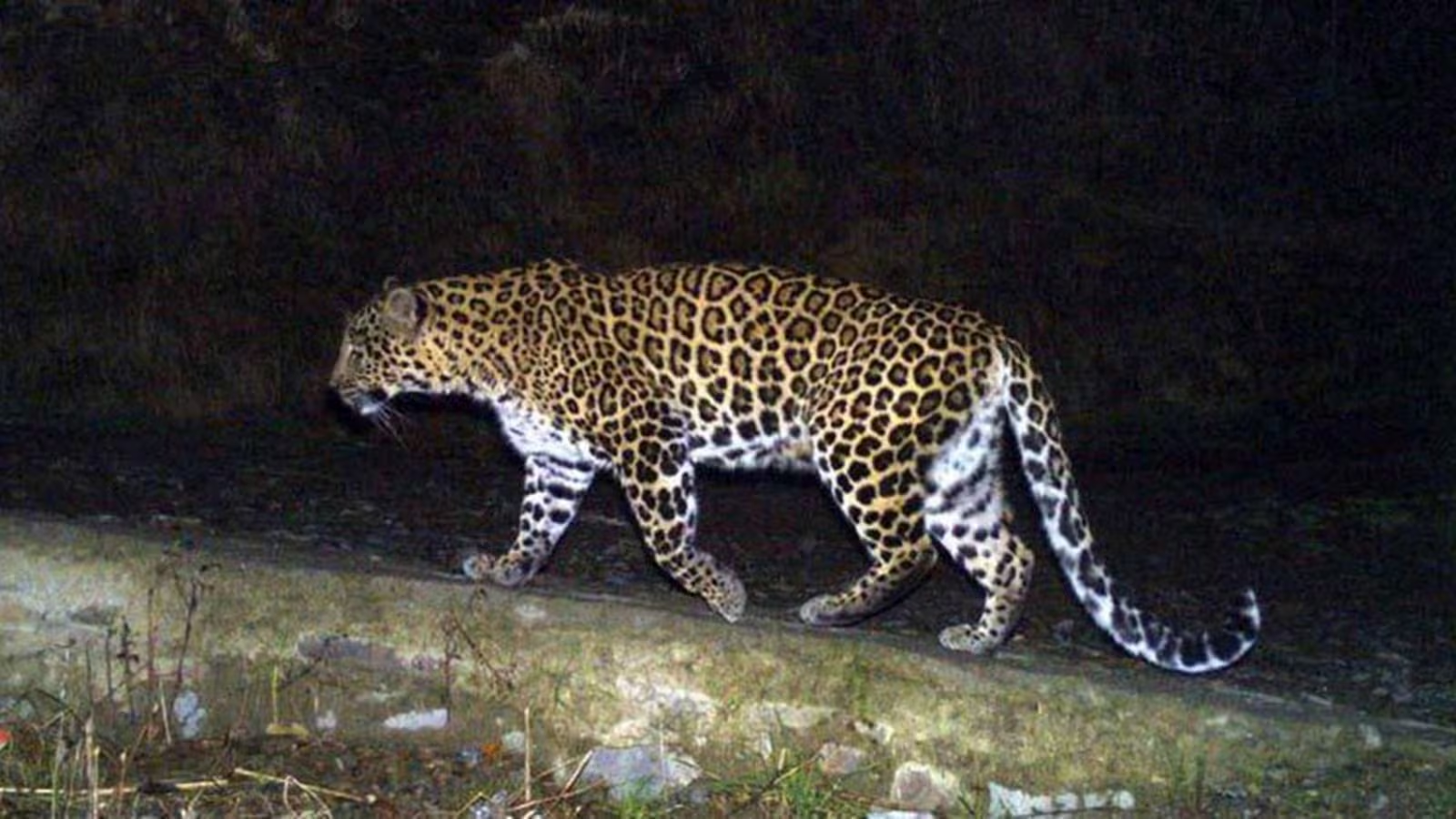
The Maharashtra government decided to start a pilot project using AI-powered cameras and sensors. These devices are placed along the edges of forests where animals often cross into human areas. The system is designed to recognize specific animals like tigers, leopards, and elephants. When the AI identifies a predator, it immediately sends an alert to the mobile phones of forest officials and local village leaders.
Important Numbers and Facts
The project will first focus on areas with high conflict, such as Chandrapur and Gadchiroli. These regions have seen a steady rise in tiger populations over the last few years. While more tigers are good for the environment, it has led to more contact with humans. Records show that dozens of people lose their lives or get injured in these areas every year. The state plans to install hundreds of smart cameras to cover the most dangerous paths used by wild animals.
Background and Context
In many parts of India, humans and wild animals live very close to each other. As cities and farms grow, the natural homes for animals get smaller. This forces animals like leopards and tigers to enter villages to find food or water. In the past, forest guards had to patrol these areas on foot or in jeeps, which was slow and dangerous. Sometimes, they would only find out about an animal's presence after someone was already hurt. Using technology like AI makes it possible to watch the forest 24 hours a day without putting human lives at risk.
Public or Industry Reaction
Local farmers and villagers have expressed relief over the new plan. Many families live in fear during the harvest season when they have to work in fields near the forest. They believe that getting a simple text message about a nearby tiger could save their lives. Wildlife experts are also happy with the decision. They point out that when animals attack humans, angry villagers sometimes try to hurt the animals in return. By preventing these meetings, the AI system helps protect the lives of rare animals as well.
What This Means Going Forward
If the pilot project in Chandrapur is successful, the government wants to use this technology across the entire state. There are also plans to connect the AI system with drones. These flying cameras can follow an animal from the air and provide a live video feed to the control room. This data will also help scientists learn more about where animals go and why they leave the forest. In the future, this could lead to better ways of building roads and fences that do not block animal paths.
Final Take
The use of Artificial Intelligence in the forests of Maharashtra shows that technology is not just for big cities. By using smart sensors and fast alerts, the state is making life safer for thousands of people. This balance between protecting nature and keeping people safe is the best way to ensure that humans and wildlife can live side by side in the future.
Frequently Asked Questions
How does the AI know if an animal is a tiger or a cow?
The AI is trained using thousands of pictures of different animals. It looks at the shape, size, and movement patterns to tell the difference between a wild predator and a domestic animal or a human.
Will this technology hurt the animals?
No, the technology is completely safe for animals. The cameras and sensors are placed high up or hidden in trees. They do not make noise or use bright lights that would scare or bother the wildlife.
How do villagers get the alerts?
The system is connected to a central server that sends automatic SMS messages or app notifications. Local village heads also use loudspeakers to warn everyone if a dangerous animal is spotted nearby.