
Summary
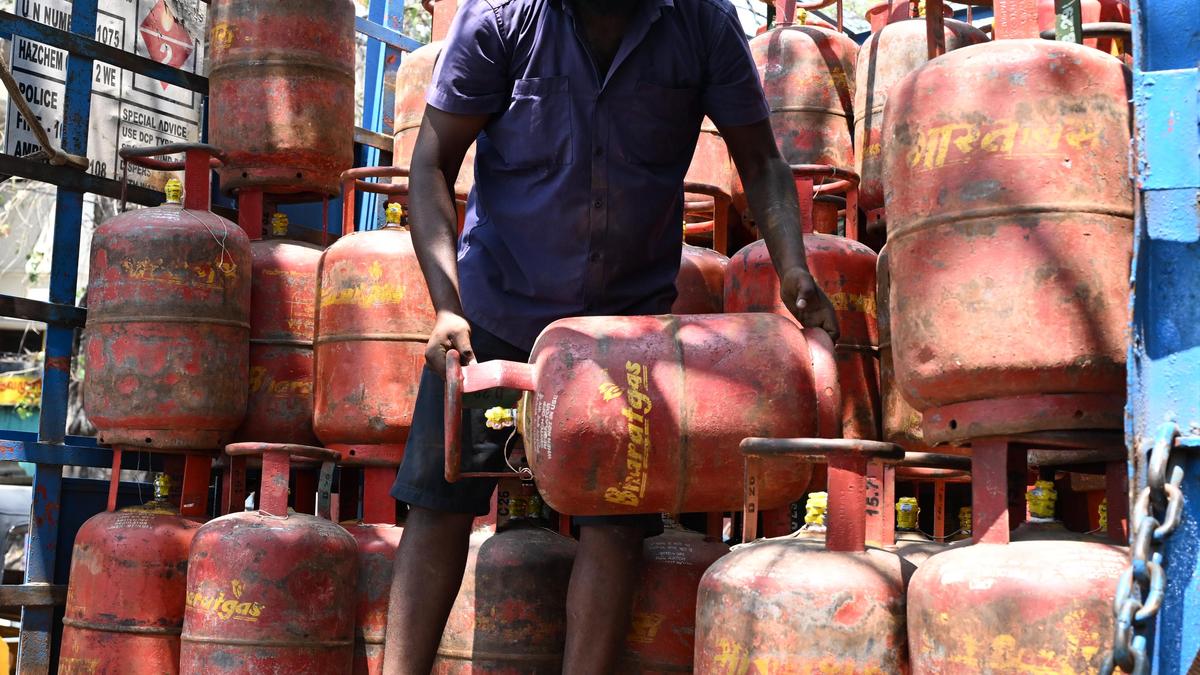
Many households are currently waiting longer than usual for their cooking gas refills. Gas distributors have reported that the waiting time for an LPG cylinder now ranges between 4 and 12 days. This delay comes after a period of high demand where many people tried to book cylinders at the same time. However, the situation is starting to improve because new rules have stopped people from making too many bookings at once. These restrictions have helped reduce the rush, allowing the delivery system to slowly catch up with the existing orders.
Main Impact
The primary impact of this delay is felt by families who do not have a backup cylinder. A wait of nearly two weeks can cause significant problems for daily cooking needs. For gas distributors, the main challenge is managing a large pile of pending orders while trying to keep customers calm. The good news is that the "panic booking" phase seems to be ending. By limiting how often a customer can book a refill, the authorities have managed to slow down the artificial spike in demand. This means that while there is still a wait, the system is no longer being overwhelmed by unnecessary orders.
Key Details
What Happened
Over the past few weeks, a rumor or fear of a shortage led many people to book their gas refills much earlier than they actually needed them. This behavior is known as panic booking. When thousands of people do this at the same time, it creates a massive line that the delivery trucks and bottling plants cannot handle quickly. To fix this, oil companies and distributors enforced strict rules on how many days must pass before a customer can book their next cylinder. These rules have successfully discouraged people from hoarding gas, which is now helping the backlog go down.
Important Numbers and Facts
The current waiting period is not the same everywhere. In some urban areas, the delay is around 4 to 6 days. However, in more remote locations or areas with high population density, the wait can stretch up to 12 days. Under normal conditions, a gas cylinder is usually delivered within 24 to 48 hours. The current restrictions generally require a gap of 15 days between two bookings for the same connection. This rule ensures that only those who truly need gas can place an order, preventing the system from being choked by those who just want to keep an extra full tank in storage.
Background and Context
LPG, or Liquefied Petroleum Gas, is the main fuel used for cooking in millions of homes. The supply chain for this gas is very specific. It starts at refineries, moves to bottling plants where the gas is put into cylinders, and is then sent to local distributors. From there, delivery staff take the cylinders to individual homes. Because the number of delivery vehicles and staff is limited, any sudden increase in orders creates a bottleneck. In the past, similar delays happened during festivals or when there were rumors of price increases. The current situation shows how sensitive the supply chain is to sudden changes in consumer behavior.
Public or Industry Reaction
Customers have expressed frustration over the long wait times, with many calling local agencies multiple times a day to check on their status. On the other hand, gas agency owners say they are doing their best with the resources they have. Distributors have noted that the delivery staff are working extra hours to clear the pending list. Industry experts believe that the restrictions on booking were a necessary step. Without these limits, the backlog could have easily stretched to three weeks or more. Most distributors are now asking customers to be patient and only book when their current cylinder is almost empty.
What This Means Going Forward
As the panic subsides, the waiting time is expected to drop back to normal levels within the next few weeks. The authorities are monitoring the supply from bottling plants to ensure there are no real shortages of gas. If the current trend continues and people stop booking out of fear, the 12-day wait could soon drop to just a few days. For the long term, this event might lead to better digital tracking of gas usage to prevent such spikes in the future. Consumers are encouraged to use official apps for booking, as these systems provide better transparency on when a cylinder will actually arrive.
Final Take
The current delay in gas deliveries is a result of a sudden rush of orders rather than a lack of actual gas supply. While a 4 to 12-day wait is difficult for many, the new booking rules are working to bring the situation back under control. By following the rules and avoiding unnecessary bookings, the public can help the delivery system return to its normal, fast pace. It serves as a reminder that staying calm and following official guidelines is the best way to keep essential services running smoothly for everyone.
Frequently Asked Questions
Why is my gas delivery taking so long?
There is currently a backlog of orders caused by a high number of people booking at the same time. This has created a waiting period of 4 to 12 days as distributors work through the pile of requests.
What are the new restrictions on booking?
To prevent hoarding and panic booking, most regions now require a specific number of days, usually 15, to pass between two refill bookings for the same customer. This helps ensure that gas goes to those who need it most.
When will the delivery times go back to normal?
Distributors expect the situation to improve over the next few weeks as the backlog is cleared. Once the rush of panic bookings stops completely, delivery times should return to the usual 1 or 2 days.



