
Summary
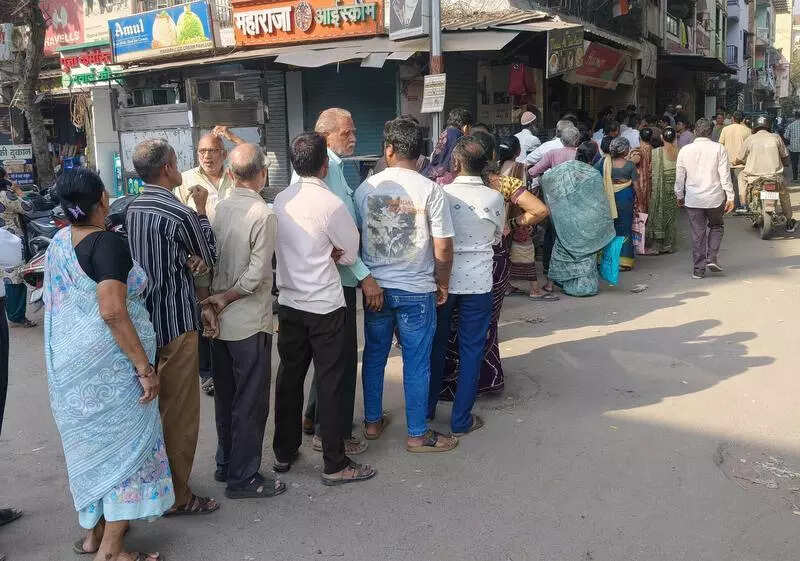
Authorities have recently taken a major step to handle a growing fuel shortage by allowing essential services to use commercial LPG cylinders. This decision comes as a response to a sudden drop in the supply of standard domestic gas. By making this change, the government aims to ensure that hospitals, schools, and other vital institutions do not run out of fuel for cooking and heating. This temporary measure is designed to protect public welfare until the regular supply chain returns to normal.
Main Impact
The primary effect of this decision is the immediate relief it provides to critical public sectors. Before this rule change, many essential services were struggling to find enough gas to keep their daily operations running. By opening up the commercial gas supply for these groups, the government has created a safety net. This prevents a situation where hospitals might be unable to provide hot meals to patients or where student hostels have to stop serving food. It also helps stabilize the local economy by reducing the panic caused by the shortage.
Key Details
What Happened
The local administration issued a new directive that changes how liquefied petroleum gas (LPG) is distributed during the current crisis. Usually, there are strict rules about who can use which type of gas cylinder. Domestic cylinders are meant for homes, while larger commercial cylinders are reserved for businesses like restaurants and factories. However, because the supply of domestic gas has become very low, the government is now allowing essential service providers to buy and use the larger commercial tanks. This move is intended to bypass the long waiting lists that currently exist for standard gas deliveries.
Important Numbers and Facts
In the current market, a standard domestic LPG cylinder typically weighs about 14.2 kilograms. In contrast, a commercial cylinder is much larger, usually weighing around 19 kilograms. Under normal conditions, the price of commercial gas is higher because it does not receive the same government subsidies as home gas. To make this transition easier for essential services, officials are looking into ways to manage the cost difference. The shortage has affected thousands of households and dozens of public institutions over the past few weeks, leading to this emergency policy change.
Background and Context
LPG is a vital resource for millions of people. It is the main fuel used for cooking in most urban areas. The distribution of this gas is managed by large oil companies that send cylinders to local dealers. When a problem occurs in the supply chain—such as a transport strike, a technical issue at a refinery, or a sudden increase in demand—it can lead to a shortage. In this specific case, the gap between how much gas was available and how much people needed grew too wide. Because hospitals and care centers cannot wait days or weeks for fuel, the government had to find a way to give them priority access to any available gas, even if it comes from the commercial stock.
Public or Industry Reaction
The reaction to this news has been mostly positive among those running essential services. Hospital managers have expressed relief, noting that they can now focus on patient care without worrying about whether the kitchen will have fuel the next morning. However, some small business owners have raised concerns. Since they also rely on commercial cylinders, they worry that the increased demand from hospitals and schools might make it harder for them to get their own supplies. On the other hand, gas distributors have welcomed the clarity, as it allows them to legally deliver commercial tanks to institutions that were previously restricted from using them.
What This Means Going Forward
While this move solves the immediate problem, it is not a permanent fix. The government and oil companies must work together to find out why the supply dropped in the first place. In the coming weeks, officials will likely monitor the distribution of commercial cylinders closely to make sure there is no black marketing or unfair pricing. If the shortage continues, we might see more flexible rules regarding fuel use. For now, the focus remains on keeping the most important parts of society running. Once the domestic supply is restored, these emergency rules will likely be removed, and the standard system will return.
Final Take
This decision shows a practical approach to a difficult problem. By putting the needs of the public and essential services first, the government is preventing a bad situation from becoming a disaster. It serves as a reminder of how important a steady energy supply is for the basic functions of a city. While the temporary use of commercial cylinders is a helpful bridge, the long-term goal must be a more reliable and stable gas distribution network that can withstand future challenges.
Frequently Asked Questions
Why are essential services allowed to use commercial cylinders now?
They are allowed to use them because there is a shortage of domestic gas. This ensures that places like hospitals and hostels have enough fuel to keep operating without waiting for standard deliveries.
What is the difference between a domestic and a commercial cylinder?
The main differences are the size and the price. Domestic cylinders are smaller (14.2kg) and often subsidized for home use. Commercial cylinders are larger (19kg) and usually cost more because they are meant for businesses.
Is this a permanent change in the law?
No, this is a temporary measure. The government has introduced this rule specifically to handle the current crisis. Once the gas supply returns to normal, the regular rules will likely be put back in place.



