
Summary
The Central Consumer Protection Authority (CCPA) has issued a strong warning to hotels and restaurants across the country. The government body stated that adding extra fees like "LPG charges" or "fuel cost recovery" to food bills is illegal. These extra costs are considered unfair trade practices because they hide the true price of the food from the customer. The CCPA has made it clear that any business found charging these fees will face strict legal action.
Main Impact
This decision aims to protect diners from hidden costs that appear only after they have finished their meal. By banning these separate charges, the government is forcing restaurants to be more honest about their pricing. For the average person, this means the price listed on the menu should be the final price they pay, with the only addition being official government taxes. This move helps prevent businesses from using low menu prices to attract customers and then adding extra fees later to cover their own basic running costs.
Key Details
What Happened
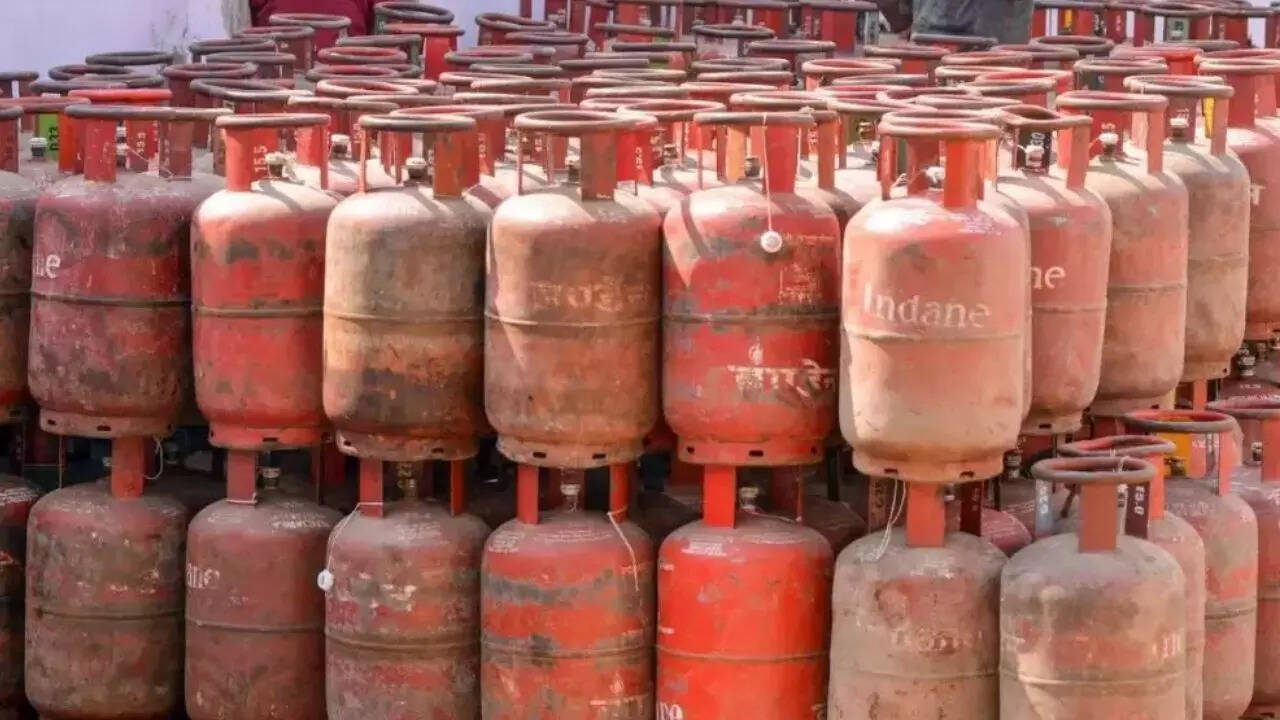
Recently, many customers noticed strange new entries on their restaurant bills. Some eateries started adding a small fee labeled as an "LPG charge" or a "fuel surcharge." These businesses claimed they needed the extra money because the price of commercial gas cylinders had gone up. However, the CCPA looked into these complaints and decided that this practice is not allowed under consumer protection laws. They stated that a restaurant cannot pass on its daily running costs as a separate line item on a bill.
Important Numbers and Facts
The CCPA is the top body in India responsible for protecting the rights of buyers. According to their latest guidelines, operational costs—which include things like rent, electricity, staff wages, and cooking gas—must be built into the price of the food items themselves. If a restaurant finds that its gas bill has increased, it has the right to change the prices on its menu. However, it does not have the right to add a surprise fee at the bottom of the receipt. Consumers who see these charges are encouraged to report the business to the National Consumer Helpline by calling 1915.
Background and Context
This is not the first time the government has stepped in to stop unfair billing in the food industry. In the past, there have been many debates about "service charges." Many restaurants used to add a 5% to 10% service charge automatically, which many customers felt was a forced tip. The CCPA previously ruled that service charges are voluntary and cannot be added without the customer's clear consent. The new warning against LPG charges follows the same logic: customers should have a clear idea of what they are paying for before they order.
In simple terms, when you buy a shirt at a store, the shop does not charge you extra for the electricity used to light the room or the rent for the building. Those costs are already part of the price of the shirt. The government believes that restaurants should follow this same standard business practice.
Public or Industry Reaction
Consumer rights groups have welcomed this move, calling it a victory for the common man. Many people have shared stories online about feeling cheated when they saw extra fees they did not expect. On the other side, some restaurant owners argue that the cost of doing business is rising quickly. They claim that changing every price on a large menu is difficult and that a temporary fuel charge was an easier way to handle the situation. However, the legal warning makes it clear that convenience for the business does not justify unfair treatment of the customer.
What This Means Going Forward
Restaurants will now have to review their billing software and menu prices. Any business that continues to add these illegal charges risks heavy fines or even losing their license to operate. For customers, the message is to stay alert. If you see an "LPG charge" or any "fuel recovery fee" on your bill, you have the right to ask the manager to remove it. If they refuse, you can take a photo of the bill and file a formal complaint online or through the government's consumer app. This ruling is expected to lead to more transparency in the hospitality industry.
Final Take
Honesty in pricing is a basic right for every customer. By stopping these hidden gas charges, the government is ensuring that the relationship between a business and a customer stays fair. While businesses have the right to make a profit, they must do so by being clear about their prices from the start. When you sit down to eat, the menu should tell the whole story, not just part of it.
Frequently Asked Questions
Is it legal for a restaurant to charge an LPG fee?
No, it is not legal. The CCPA has labeled this an unfair trade practice. All cooking costs must be included in the price of the food on the menu.
What should I do if I see a fuel charge on my bill?
You should first ask the restaurant manager to remove the charge. If they do not agree, you can file a complaint with the National Consumer Helpline at 1915 or use the NCH app.
Can a restaurant increase its food prices because gas is expensive?
Yes, restaurants are allowed to set their own prices for food. However, these prices must be clearly printed on the menu so the customer knows the cost before ordering.



