
Summary
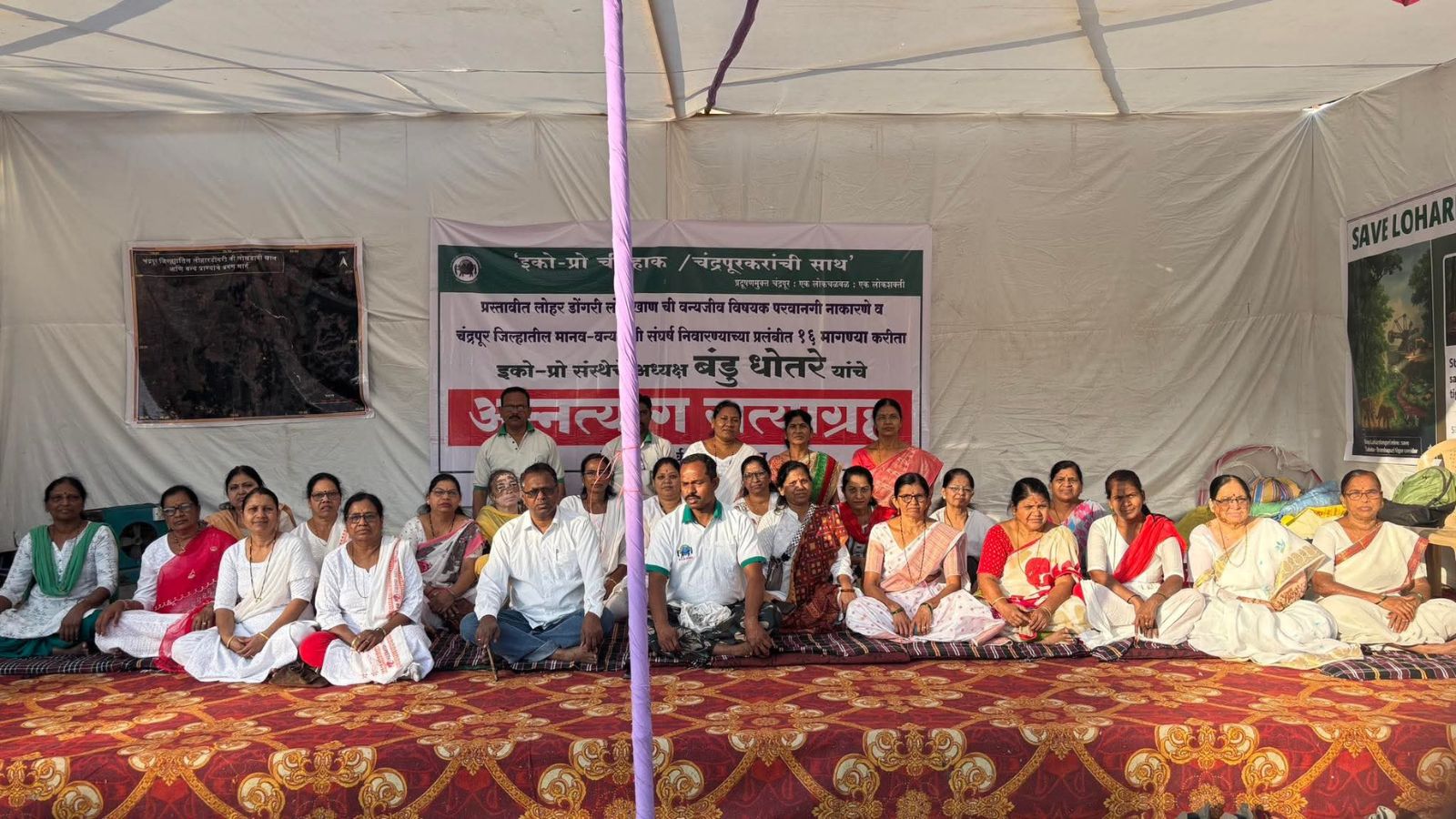
The Maharashtra government has officially put the Lohardongri iron ore mining project on hold following intense local protests. This decision led a prominent social activist to end a long hunger strike in Nagpur after receiving assurances from state officials. The project had faced strong opposition from tribal communities and environmental groups who were concerned about the destruction of forest land. This pause marks a significant moment for local residents who have been fighting to protect their ancestral lands and the surrounding ecosystem.
Main Impact
The decision to stop the Lohardongri project has an immediate effect on the local environment and the people living in the Gadchiroli district. By halting the mining plans, the government has temporarily saved thousands of trees and protected the biodiversity of the region. For the tribal communities, this is seen as a major win for their legal rights and their way of life. It also sends a message to industrial companies that local consent is necessary before starting large-scale projects in sensitive areas.
Key Details
What Happened
For several days, a well-known activist held a hunger strike in Nagpur to protest against the iron ore project in Lohardongri. The activist and their supporters argued that the mining project was approved without the proper consent of the local village councils, known as Gram Sabhas. As the activist’s health began to decline, public pressure on the government increased. High-ranking officials eventually met with the protesters and issued a formal statement confirming that all work on the project would stop for the time being. Following this written assurance, the activist ended the fast by drinking a glass of juice offered by community elders.
Important Numbers and Facts
The Lohardongri project is located in the Gadchiroli district, which is known for having some of the thickest forest cover in the state. The proposed mining area covers hundreds of hectares of land that is rich in iron ore. However, this same land is home to several protected species of animals and plants. Under Indian law, specifically the PESA Act and the Forest Rights Act, the government must get permission from local tribal communities before using their land for industrial purposes. Protesters claimed these laws were ignored, leading to the current standoff.
Background and Context
Gadchiroli has become a central point for mining debates in India. The region is very rich in minerals like iron ore, which are needed to make steel for buildings and cars. While the government wants to use these minerals to grow the economy and create jobs, the local people often see very little of that wealth. Instead, they face the loss of their forests, which provide them with food, medicine, and a place to live. In recent years, several mining projects in this area have faced similar protests. The people living there believe that once the forest is destroyed for mining, it can never be fully restored, leading to long-term damage to the water supply and soil quality.
Public or Industry Reaction
The news of the project being put on hold was met with celebrations in the villages near Lohardongri. Residents gathered to sing traditional songs and thank the leaders who stood up for their rights. Environmental experts have also welcomed the move, stating that a detailed study of the impact on nature is required before any digging begins. On the other side, some industry groups expressed concern that stopping such projects could slow down economic growth and delay the creation of new jobs in the region. They argue that modern mining can be done in a way that does not hurt the environment, though many locals remain skeptical of these claims.
What This Means Going Forward
While the project is currently on hold, it has not been completely canceled. The government is expected to form a committee to review the permissions and talk with the local Gram Sabhas again. This means the conflict is not over yet. The activist who ended the hunger strike warned that if the government tries to restart the project secretly or without following the law, the protests will return even stronger. In the coming months, there will likely be more discussions between tribal leaders, environmentalists, and government officials to find a balance between industrial needs and forest preservation.
Final Take
The pause of the Lohardongri iron ore project shows that local voices can have a real impact on government policy. It highlights the ongoing struggle between industrial progress and the protection of nature and human rights. For now, the forests of Gadchiroli remain standing, but the long-term future of the region depends on how the government handles the concerns of its most vulnerable citizens.
Frequently Asked Questions
Why was the Lohardongri project put on hold?
The project was paused because of a hunger strike by an activist and strong protests from local tribal communities. They argued that the mining would destroy forests and was being done without their legal consent.
Where is the Lohardongri project located?
The project is located in the Gadchiroli district of Maharashtra, an area known for its rich mineral deposits and dense forest land.
Will the mining project be canceled permanently?
Currently, the project is only "on hold." The government will review the situation and the concerns of the local people before making a final decision on whether to cancel it or move forward with changes.



