Summary
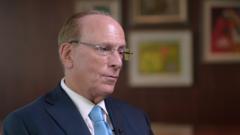
Larry Fink, the head of the massive investment firm BlackRock, has issued a serious warning about the future of the global economy. He believes that if oil prices reach $150 per barrel and stay there for a long time, it will likely cause a global recession. This price jump would make it much harder for families and businesses to manage their money. High energy costs act as a weight on growth, slowing down trade and making daily life more expensive for everyone.
Main Impact
The primary concern is that high oil prices lead to inflation, which is when the cost of goods and services goes up. When oil is expensive, it costs more to move products from factories to stores. It also costs more to heat homes and run cars. If these high prices continue, people will have less money to spend on other things like clothes, electronics, or eating out. This drop in spending is what usually leads to an economic downturn or recession.
Key Details
What Happened
Larry Fink shared his thoughts on the current state of the energy market. He pointed out that the world economy is very sensitive to the price of fuel. While prices change often, a jump to $150 would be a major shock. Fink noted that if this high price becomes the new normal for a long period, the effects will be felt in every corner of the world. As the leader of BlackRock, which manages trillions of dollars for investors, his warnings are taken very seriously by banks and governments.
Important Numbers and Facts
The $150 per barrel mark is a critical level that many economists watch. In the past, oil prices have stayed much lower, often between $70 and $90. A jump to $150 would represent a massive increase in costs for the transportation industry. BlackRock is one of the largest financial companies in the world, meaning their research and views often influence how other people invest their money. When a leader like Fink speaks about a recession, it often causes markets to become more cautious.
Background and Context
Oil is the lifeblood of the modern world. It is not just used for gasoline in cars. It is also used to make plastic, chemicals, and fertilizers. Because it is used in so many ways, a change in the price of oil affects almost every product we buy. In the 1970s, a sudden rise in oil prices caused a major economic crisis that lasted for years. More recently, in 2008, oil prices hit record highs just before the global financial system struggled. History shows that when energy becomes too expensive, the economy almost always slows down.
Public or Industry Reaction
Many financial experts agree with Fink’s view. They argue that the global economy is still trying to recover from recent challenges, and high energy costs make that recovery much harder. Some business leaders are worried that they will have to raise their prices even more to stay in business. On the other hand, some people in the energy industry say that high prices might encourage companies to produce more oil or speed up the move toward green energy like wind and solar power. However, those changes take a long time to happen.
What This Means Going Forward
If oil prices continue to climb, central banks might have to keep interest rates high to fight inflation. This makes it more expensive for people to get loans for houses or for businesses to expand. The next few months will be very important as countries watch the supply of oil and the demand from consumers. If the price does hit $150, governments may need to step in with new policies to help people pay their bills. The goal for many will be to find a way to lower energy costs before a recession becomes unavoidable.
Final Take
The warning from BlackRock is a clear sign that the world is in a fragile position. Energy prices are not just about the cost of gas; they are a major factor in whether the global economy stays healthy or falls into a slump. While $150 oil is not a certainty yet, the risk is high enough that leaders are starting to prepare for the worst. Keeping an eye on energy markets will be vital for anyone trying to understand where the economy is headed next.
Frequently Asked Questions
Why does $150 oil cause a recession?
When oil is that expensive, it raises the cost of almost everything, from food to travel. This leaves people with less money to spend, which causes businesses to lose money and stop growing.
Who is Larry Fink?
Larry Fink is the CEO of BlackRock, the world's largest investment management company. He is considered one of the most powerful people in global finance.
Can we stop oil prices from rising?
Prices are usually controlled by how much oil is available and how much people want to buy. Increasing production or using less oil can help lower prices, but these things often take time to work.