
Summary
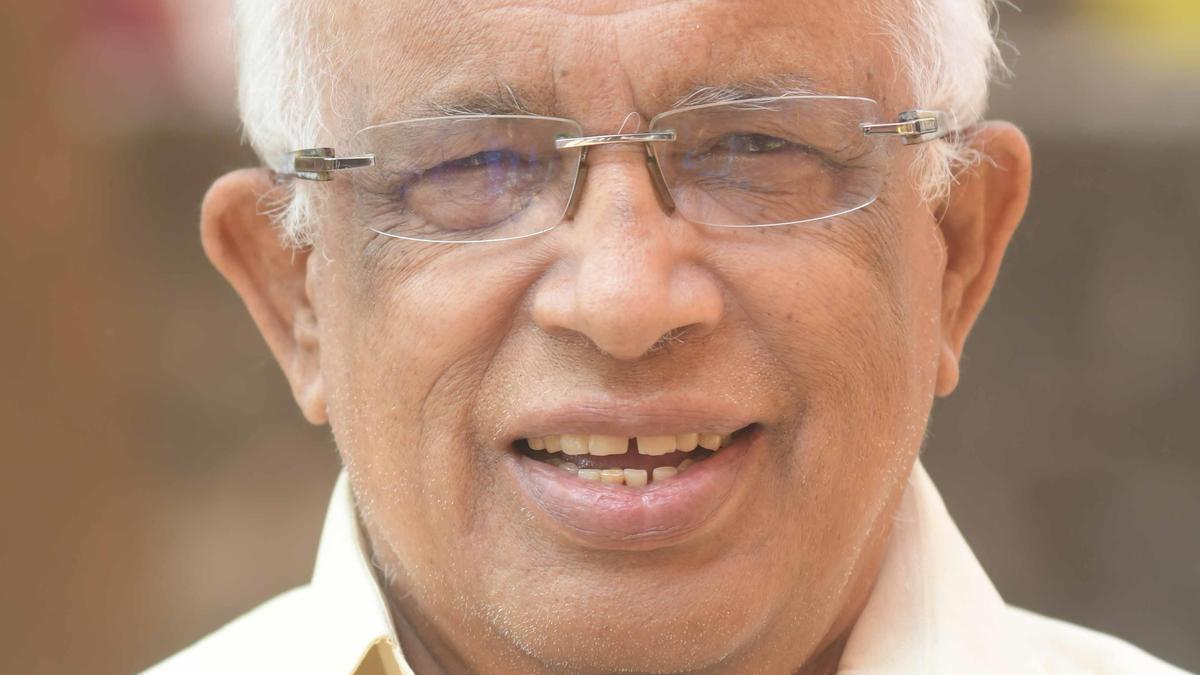
Kerala is currently facing a significant power crisis that is affecting homes and businesses across the state. Electricity Minister K. Krishnankutty recently stated that the ongoing conflict in West Asia is the primary reason for this energy shortage. The war has disrupted the supply of cooking gas, forcing many families to switch to electric induction stoves. This sudden change in how people cook has caused a massive spike in electricity demand that the state is struggling to meet.
Main Impact
The biggest impact of this situation is the extreme pressure on the state's power grid. When thousands of households stop using gas and start using high-power electric stoves at the same time, the system becomes overloaded. This surge in usage usually happens during the evening hours when people are preparing dinner. If the demand continues to rise at this rate, the state may have to start scheduled power cuts to prevent the entire system from failing. This puts a heavy burden on the Kerala State Electricity Board (KSEB) to find extra power quickly.
Key Details
What Happened
Minister Krishnankutty explained that the conflict in West Asia has made it very difficult to get Liquefied Petroleum Gas (LPG) into the state. Because the supply chain is broken, cooking gas has become scarce or very expensive. To keep their kitchens running, residents have turned to induction cookers as a fast and easy alternative. However, these devices require a lot of electricity to work. The Minister noted that this shift was not expected to happen so quickly, leaving the power department with little time to prepare for the extra load.
Important Numbers and Facts
The demand for electricity in Kerala usually peaks between 6:00 PM and 10:00 PM. During these four hours, the state sees its highest usage. A single induction stove can use between 1,500 and 2,000 watts of power. When a large number of homes use these stoves simultaneously, it adds hundreds of megawatts to the total demand. The state often has to buy this extra power from other regions at very high prices to ensure that lights stay on and kitchens keep working.
Background and Context
Kerala gets a large portion of its electricity from hydropower, which uses water from dams to create energy. This method is clean but depends entirely on how much rain the state receives during the monsoon season. When there is not enough rain, or when demand suddenly jumps like it has now, the state must look for other sources. The West Asia region is a major provider of energy products like oil and gas for the entire world. When there is a war in that area, shipping becomes dangerous and prices go up. This global problem has now reached the local level in Kerala, changing how people cook their daily meals.
Public or Industry Reaction
The public is feeling the stress of this crisis in two ways. First, there is the worry that power will be cut off during the night. Second, using electricity for cooking is often more expensive than using gas, which means monthly bills are going up for many families. Business owners, especially those who run small restaurants or food stalls, are also worried. They need a steady supply of energy to serve their customers. Industry experts are calling for the government to speed up the transition to solar energy so the state does not have to rely so much on imported gas or external power sources.
What This Means Going Forward
The government is now looking for ways to manage this high demand. They are talking to other states to secure more electricity and are monitoring the gas supply situation closely. If the conflict in West Asia continues, the shortage of cooking gas might last for a long time. This means the high demand for electricity is not just a temporary problem. The state will need to upgrade its power lines and transformers to handle the higher load. There is also a push to encourage people to use electricity more wisely during peak hours to avoid a total blackout.
Final Take
This situation shows how events happening thousands of miles away can directly affect the lives of ordinary people. Kerala’s current power struggle is a clear example of how global conflicts can change local habits and strain public services. To stay ahead of these problems, the state must focus on building a more diverse energy system that can handle sudden changes in demand without failing.
Frequently Asked Questions
Why is there a power shortage in Kerala right now?
The shortage is caused by a sudden increase in the use of electric induction stoves. This happened because the conflict in West Asia has made cooking gas hard to find.
When is the power demand at its highest?
The peak demand happens in the evening, usually between 6 PM and 10 PM, when most families are using lights and cooking dinner.
What can people do to help reduce the power load?
People can help by not using heavy appliances like washing machines or pumps during the peak evening hours and by being mindful of their electricity use when cooking.



