
Summary
Nurses working in private hospitals across Kerala recently launched a major protest to demand better pay and improved working environments. Led by the United Nurses Association (UNA), the strike began on March 9 and continued for several days, causing significant changes in how hospitals operated. Although the protest has been paused following a court order, the underlying issues regarding low wages and long hours remain unresolved. This situation highlights a growing tension between healthcare workers and hospital managements in the region.
Main Impact
The strike had an immediate and visible effect on the healthcare system in Kerala. Because private hospitals handle a large portion of the state's patients, the absence of nursing staff led to the postponement of many non-emergency surgeries and routine check-ups. In many cases, hospital administrations had to rely on a very small number of senior staff or trainees to keep basic services running. This put a heavy burden on the remaining workers and created anxiety for families with loved ones in medical care.
Key Details
What Happened
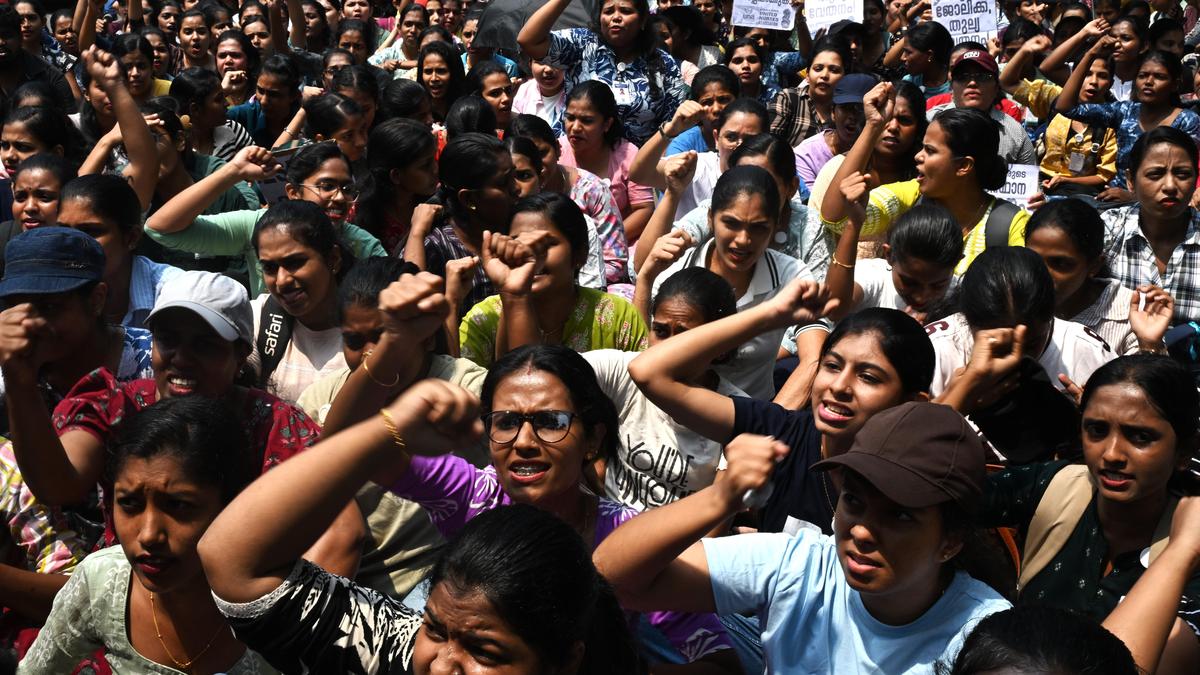
The United Nurses Association called for an indefinite strike starting in the second week of March. Thousands of nurses stayed away from their shifts, gathered outside hospital gates, and held demonstrations to voice their grievances. The primary reason for this walkout was the claim that current salary levels do not match the rising cost of living or the high level of responsibility required in the nursing profession. Nurses also pointed out that they often work extra hours without proper compensation or rest breaks.
Important Numbers and Facts
The strike officially lasted from March 9 to March 13. During this five-day period, hundreds of private medical centers across the state saw their daily operations slow down. The Kerala High Court eventually intervened, issuing a directive that led to the temporary withdrawal of the strike. The court emphasized that while workers have rights, the safety of patients must come first. The UNA agreed to pause the protest but made it clear that their members are ready to resume the strike if mediation talks do not lead to a fair agreement on wages.
Background and Context
Kerala is known for its high standards in healthcare and for producing a large number of qualified nurses who work all over the world. However, those who stay to work in the local private sector often face difficult financial realities. For years, there has been a debate about the "minimum wage" for nurses. While the government sets certain standards, many private hospital owners argue that they cannot afford to pay higher salaries without significantly increasing the cost of treatment for patients. This creates a cycle where workers feel undervalued while the public fears rising medical bills.
Public or Industry Reaction
The reaction to the strike has been mixed. Many members of the public expressed sympathy for the nurses, acknowledging that they are the backbone of the medical system and deserve a living wage. However, there was also significant concern about the timing of the strike, as it left many vulnerable people without their usual care providers. Hospital management groups have stated that sudden strikes make it impossible to plan for patient safety. They have called for a more balanced approach where pay hikes are introduced gradually rather than through immediate, large-scale demands.
What This Means Going Forward
The next few weeks are critical for the healthcare sector in Kerala. Mediation efforts are currently underway, involving government officials, hospital owners, and union representatives. If these talks fail to produce a concrete plan for salary increases, the UNA has warned of a much larger and more persistent protest. The government is under pressure to find a middle ground that satisfies the nurses without causing private hospitals to shut down or become too expensive for the average citizen. This situation may lead to new laws or stricter enforcement of existing labor rules in the medical field.
Final Take
The recent strike serves as a reminder that the quality of healthcare is directly linked to the well-being of those who provide it. While the court has brought a temporary calm to the situation, the core problems of low pay and poor working conditions have not disappeared. A long-term solution will require more than just a temporary return to work; it will require a fundamental shift in how private healthcare workers are valued and compensated for their essential service to society.
Frequently Asked Questions
Why did the nurses in Kerala go on strike?
The nurses went on strike primarily to demand higher wages and better working conditions. They feel that their current pay is not enough to cover basic living costs and does not reflect the hard work they do.
Why was the strike stopped after five days?
The strike was temporarily called off because the Kerala High Court issued a directive. The court was concerned about the impact on patient health and encouraged both sides to solve the problem through mediation instead of a walkout.
Will there be another strike in the future?
The United Nurses Association has stated that they will restart the strike if the ongoing mediation talks do not result in a satisfactory pay increase and better treatment for hospital staff.



