Summary
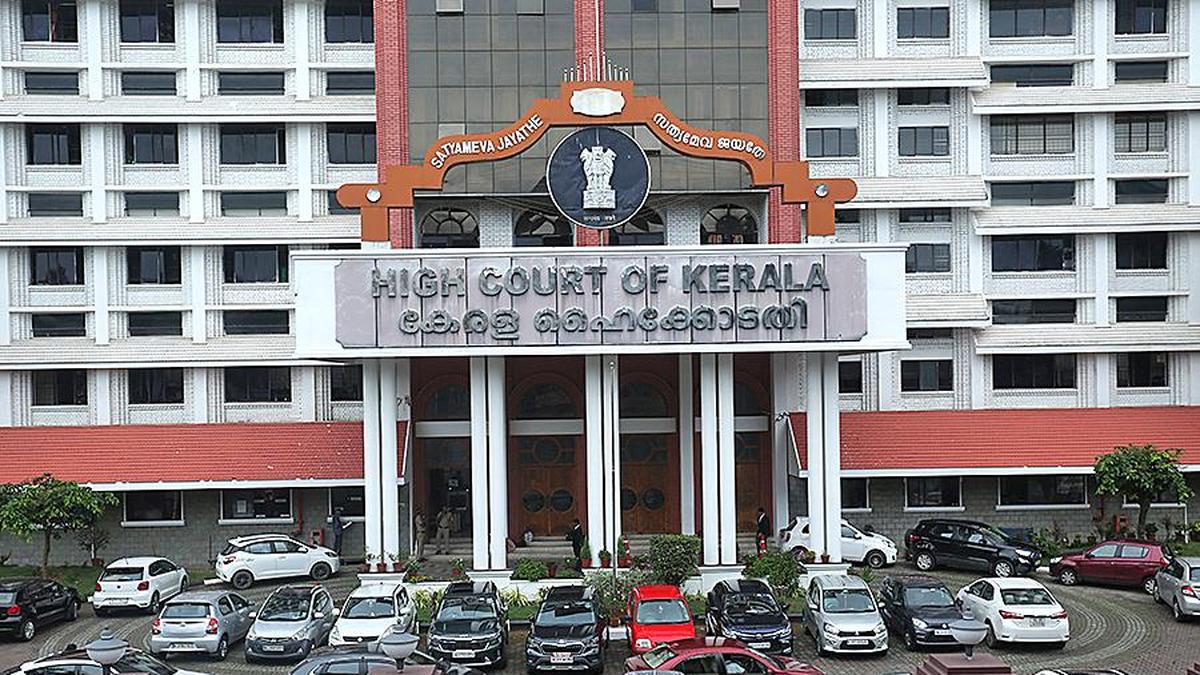
The Kerala High Court has officially dismissed several legal challenges against the state government’s use of bulk text messages. These messages, which detailed the government’s achievements, were sent to a wide range of people, including government workers and judges. The court’s decision settles a dispute over whether the state can use personal contact information to share updates about its work. This ruling is significant as it addresses the balance between public information and personal data privacy.
Main Impact
This court ruling allows the Kerala government to continue using its database to send direct messages to citizens and employees. The main impact is that it clarifies the government's right to communicate its progress directly to the public. However, it also raises important questions about how personal data is handled by public offices. For many, this decision marks a turning point in how digital communication is used by those in power to reach voters and workers directly on their mobile devices.
Key Details
What Happened
The legal battle began when several people filed petitions against the Kerala government. They were unhappy about receiving unsolicited text messages from the Chief Minister’s Office. These messages listed various things the government had achieved during its time in power. The petitioners argued that their phone numbers were collected for specific purposes, such as work or receiving government aid, and should not be used for what they called political promotion.
The court looked at whether sending these messages was a legal use of data. The petitioners claimed that using private contact details for these messages was unauthorized. They were especially concerned because the messages were sent out just before the Assembly elections. They felt this gave the current government an unfair advantage by using state resources to reach people directly.
Important Numbers and Facts
The messages reached a massive audience across the state. Recipients included thousands of government employees, members of the legal system, and people who receive benefits from state programs. The timing of the messages was a major point of the argument, as they were sent out in the months leading up to the state elections. The court ultimately found that the government did not break the law by sending these updates, leading to the dismissal of all related pleas.
Background and Context
In the past, governments used newspapers, radio, and television to tell people about their work. Today, technology has changed how leaders talk to the public. Using text messages is a fast and cheap way to reach millions of people instantly. However, this new method has created concerns about privacy. People often give their phone numbers to the government for specific reasons, like paying taxes or applying for a job. They do not always expect to receive promotional messages on those same numbers.
In Kerala, the political climate is often very competitive. With elections approaching, every action taken by the government is closely watched by the opposition and the public. The use of bulk SMS services became a heated topic because it felt like a new form of campaigning that bypassed traditional media rules. This case highlights a growing global debate about who owns our digital data and how much control we have over who can send us messages.
Public or Industry Reaction
The reaction to the court's decision has been mixed. Supporters of the government argue that citizens have a right to know what their leaders are doing. They believe that sharing achievements helps people make informed choices. They see the text messages as a modern way to keep the public updated on how tax money is being spent.
On the other hand, privacy advocates and opposition members have expressed disappointment. They argue that this sets a bad example for the future. Some feel that if the government can send these messages, it opens the door for more intrusive digital tactics. There is also a worry that people who depend on government aid might feel pressured when they receive direct messages from the Chief Minister’s Office. Critics believe there should be a clear line between official government business and political messaging.
What This Means Going Forward
Moving forward, this ruling could encourage other state governments to adopt similar communication strategies. Since the court did not find the practice illegal, we may see an increase in bulk messages from various government departments across the country. This could lead to a more crowded digital space for citizens, who may find it harder to separate official news from political messaging.
The decision also points to a need for stronger data protection laws. As the government collects more digital information, the rules on how that data can be used need to be very clear. Without strict guidelines, the line between public service and political gain will continue to be blurry. Lawmakers may eventually need to create new rules that specifically address how and when the government can send mass messages to the public.
Final Take
The Kerala High Court's decision highlights the changing way that governments interact with the people they serve. While the court has cleared the government of any legal wrongdoing, the conversation about digital privacy is far from over. As technology continues to play a bigger role in our lives, the balance between staying informed and protecting our personal data will remain a major challenge for society and the legal system alike.
Frequently Asked Questions
Why did people take the Kerala government to court?
People were unhappy about receiving bulk text messages from the Chief Minister’s Office. They argued that their personal phone numbers were being used without permission for political messages ahead of the elections.
Who received these bulk messages?
The messages were sent to a wide range of people, including government employees, judges, and individuals who receive financial aid or benefits from government schemes.
What was the court's final decision?
The Kerala High Court dismissed the petitions, effectively ruling that the government’s actions were not illegal. This means the government can continue to send these types of messages to the public.