
Summary
Recent local body election results in Kerala have sent a clear warning to the ruling Left Democratic Front (LDF). The opposition United Democratic Front (UDF), led by the Congress party, has gained significant ground in areas that were once considered strongholds for the Left. These results are being called a "semi-final" because they happen just before the major state-wide polls on April 9. The outcome suggests that voters may be looking for a change in leadership as the state prepares for its next big political test.
Main Impact
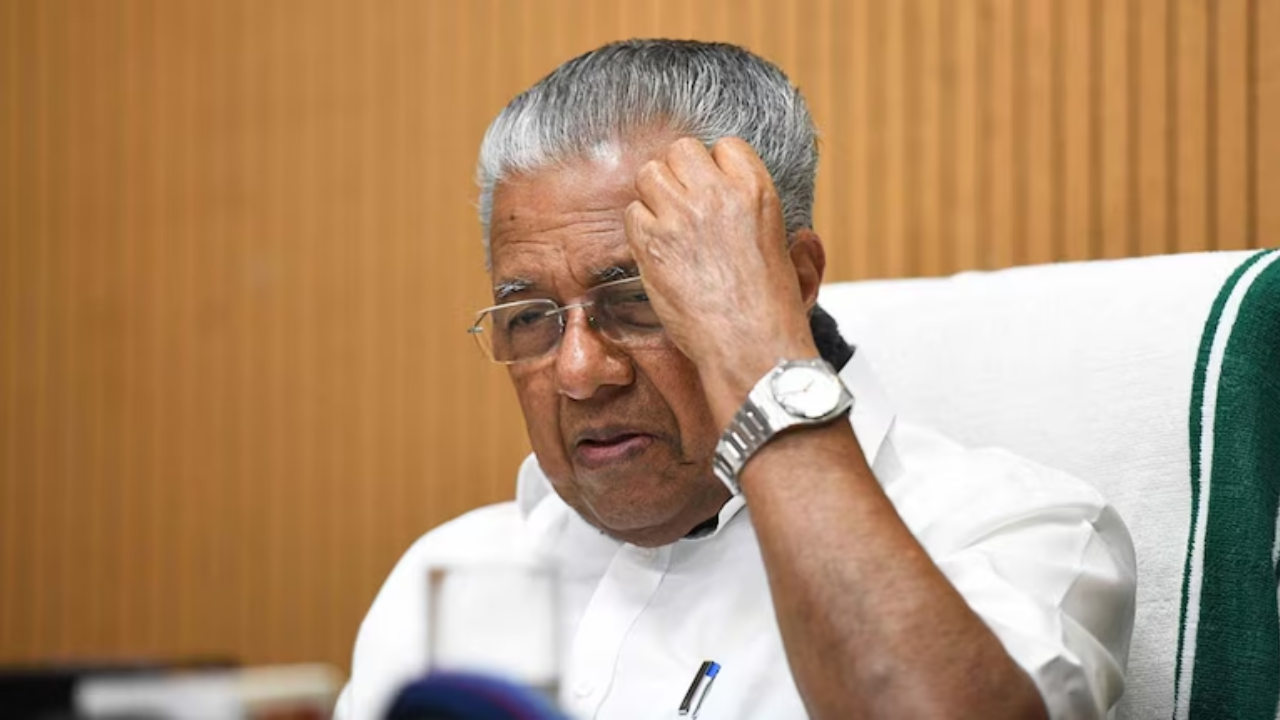
The most immediate impact of these election results is the sudden pressure on Chief Minister Pinarayi Vijayan and his government. For years, the LDF has enjoyed a strong position in Kerala, even breaking the state's long-standing tradition of switching governments every five years. However, the latest voting patterns show that the UDF is winning back urban voters and middle-class families. This shift has put the Left on "red alert," forcing them to rethink their strategy before the April 9 elections. If this trend continues, the ruling party could face a difficult path to staying in power.
Key Details
What Happened
In the local body elections, the UDF managed to capture several key seats in cities and towns. These urban areas are often seen as indicators of how the general public feels about the government's performance. While the LDF still holds power in many rural pockets, the loss of urban centers is a major blow. At the same time, the Bharatiya Janata Party (BJP) has shown that it is growing its influence in specific parts of the state. This means the upcoming election will not just be a two-way fight, but a more complex battle involving three different political groups.
Important Numbers and Facts
The upcoming state elections are scheduled for April 9, 2026. The local body results serve as a massive data point for all parties involved. Analysts have noted that the UDF's win rate in municipal areas has increased by a noticeable margin compared to previous years. Meanwhile, the BJP has managed to increase its vote share in certain districts, which could act as a "spoiler" for both the Left and the Congress-led alliance. These numbers suggest that the "anti-incumbency" factor—where voters grow tired of the current government—is becoming a real threat to the LDF.
Background and Context
Kerala has a unique political history. For decades, the state rotated between the LDF and the UDF every single election. This pattern was broken in the last assembly election when Pinarayi Vijayan led the Left to a second consecutive term. This was a historic moment, but it also meant the government had to work twice as hard to keep people happy. Over time, issues like local administration, economic concerns, and public service delivery have started to weigh on the government's reputation. The "semi-final" results show that the honeymoon period for the current administration might be ending, and the public is now looking at the opposition more seriously.
Public or Industry Reaction
Political experts believe that the UDF has successfully used local issues to connect with voters. Many people in Kerala are talking about the need for fresh ideas in governance. On social media and in local community centers, the discussion has shifted toward whether the Left has become too comfortable in power. UDF leaders are naturally celebrating these results, calling them a "vote for change." On the other hand, LDF supporters argue that local polls are different from state elections and that they still have time to fix their mistakes before the April 9 deadline.
What This Means Going Forward
The next few weeks will be critical for Kerala's political future. The LDF is expected to launch new campaigns to win back the trust of urban voters. They may focus on highlighting their social welfare programs and past achievements. The UDF will likely keep pushing the message that the current government is out of touch with the needs of the people. The biggest wild card remains the BJP. If the BJP continues to grow, it could take votes away from both major sides, making the final result on April 9 very hard to predict. Every small town and village will now become a battleground for these three groups.
Final Take
The local election results have changed the mood in Kerala. What once looked like a safe path for the ruling party has now become a high-stakes race. The UDF has found its momentum, the LDF is on the defensive, and the BJP is waiting in the wings. As April 9 approaches, the people of Kerala will have to decide if they want to stick with the current leadership or return to the tradition of choosing a new path.
Frequently Asked Questions
What are the "semi-final" polls in Kerala?
The "semi-final" refers to the local body elections that took place recently. They are called this because they happen right before the major state assembly elections and show which way the voters are leaning.
When is the next major election in Kerala?
The next major state-wide election is scheduled to take place on April 9, 2026. This election will determine who leads the state government for the next five years.
Why is the LDF on "red alert"?
The LDF is on alert because they lost several key urban areas to the opposition UDF. This suggests that many voters are unhappy with the current government, creating a risk that the Left could lose the upcoming major election.



