
Summary
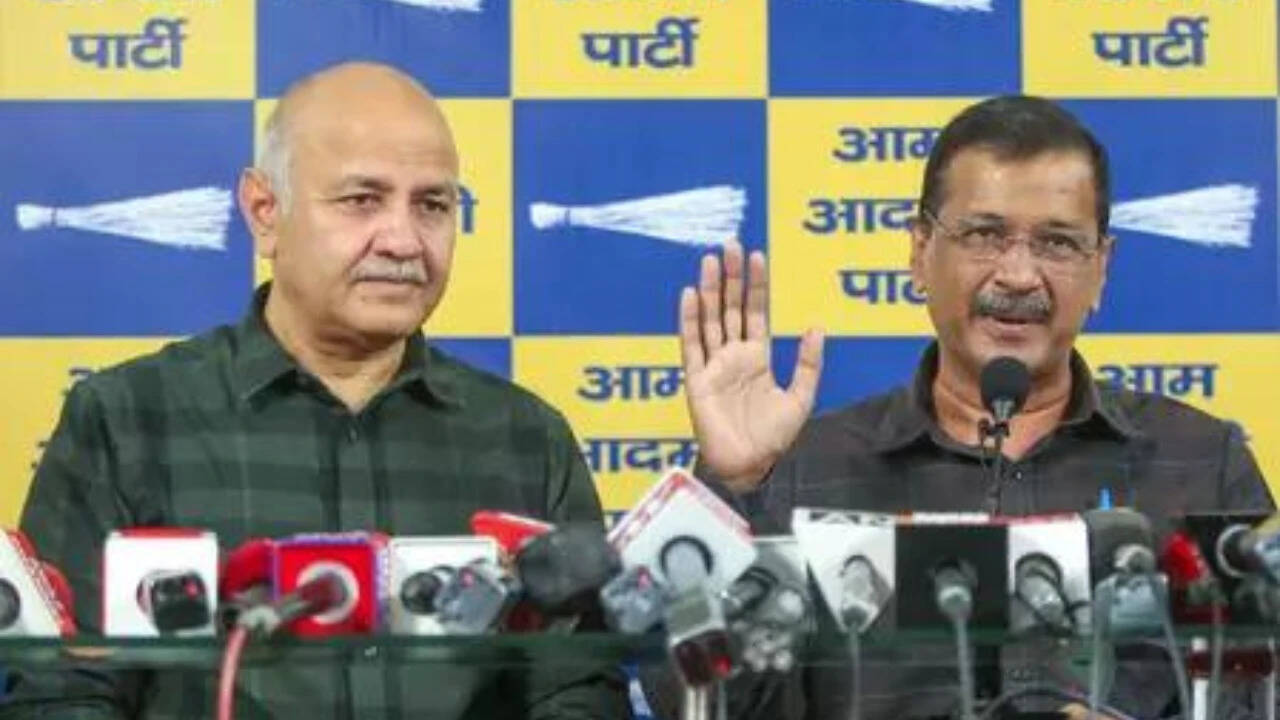
Arvind Kejriwal and Manish Sisodia, the top leaders of the Aam Aadmi Party (AAP), have approached the Supreme Court of India. They are seeking to move a legal matter related to the Delhi excise policy case to a different judge. This move follows a decision by the Delhi High Court Chief Justice, who recently turned down their request to transfer the case. The leaders believe that the current judge assigned to the matter may not provide a neutral hearing based on previous comments made in court.
Main Impact
This legal step by the AAP leaders highlights a growing lack of trust in specific judicial assignments for high-profile political cases. By taking the matter to the Supreme Court, Kejriwal and Sisodia are attempting to ensure that the challenge brought by the Central Bureau of Investigation (CBI) is heard by a judge they view as impartial. This development could potentially slow down the legal proceedings and adds a new layer of tension between the Delhi government and federal investigative agencies.
Key Details
What Happened
The Central Bureau of Investigation (CBI) is currently challenging a lower court's decision to clear, or "discharge," Kejriwal and Sisodia in certain parts of the excise policy case. When a person is discharged, it means the court found there was not enough evidence to proceed with a full trial at that time. The CBI wants to overturn this and continue its prosecution. The Delhi High Court Chief Justice assigned this challenge to Justice Swarana Kanta Sharma. However, the AAP leaders filed a plea to have the case moved to a different bench, which was rejected, leading them to the Supreme Court.
Important Numbers and Facts
The legal battle centers on the Delhi Excise Policy of 2021-22. This policy was later canceled after allegations of corruption surfaced. Federal agencies like the CBI and the Enforcement Directorate (ED) have been investigating the matter for over two years. During this time, several high-ranking officials and politicians have been arrested. Arvind Kejriwal, the Chief Minister of Delhi, and Manish Sisodia, the former Deputy Chief Minister, have both spent significant time in custody before being granted bail by the courts in various related matters.
Background and Context
The excise policy case is one of the most significant legal challenges faced by the Aam Aadmi Party since its formation. The policy was originally designed to modernize the sale of alcohol in Delhi and increase government revenue by handing over the liquor trade to private companies. However, investigators claim that the policy was rigged to benefit a group of private businessmen in exchange for kickbacks and bribes. The AAP has consistently denied these allegations, stating that the cases are a form of political vendetta aimed at weakening their party.
Public or Industry Reaction
The reaction to this latest legal move has been divided. Supporters of the AAP argue that the leaders have a right to a fair trial and that any sign of bias in the judiciary should be addressed immediately. They view the attempt to change the judge as a necessary step to protect their legal rights. On the other side, political opponents and some legal experts suggest that these petitions are a tactic to delay the final judgment. The CBI maintains that its challenge is based on solid evidence and that the legal process should move forward without further interruptions regarding which judge hears the case.
What This Means Going Forward
The Supreme Court will now have to decide if there is a valid reason to transfer the case to another judge. If the Supreme Court agrees with Kejriwal and Sisodia, the case will be reassigned, which might lead to a fresh look at the CBI’s arguments. If the court rejects the plea, the case will stay with Justice Swarana Kanta Sharma. Regardless of the outcome, this decision will set a precedent for how high-profile defendants can challenge the assignment of judges in the Indian legal system. It also ensures that the excise policy case will remain in the headlines for the foreseeable future.
Final Take
The decision to move the Supreme Court is a bold legal strategy that emphasizes the high stakes involved in the Delhi liquor policy investigation. For Kejriwal and Sisodia, the goal is to ensure that every step of the legal process is seen as fair and balanced. As the highest court in the land prepares to hear their plea, the focus remains on whether the judicial process can stay separate from the intense political heat surrounding this case.
Frequently Asked Questions
Why do Kejriwal and Sisodia want to change the judge?
The AAP leaders expressed concerns about the judge's impartiality. They cited early observations and comments made by the judge in previous hearings as the reason they believe they might not receive a fair trial under the current assignment.
What is the "discharge" that the CBI is challenging?
A discharge happens when a court decides there is not enough evidence to put a person on trial for a specific crime. The CBI is appealing this decision because they believe they have enough evidence to prove the charges against the AAP leaders in the excise case.
What happens if the Supreme Court rejects their plea?
If the Supreme Court rejects the plea, the case will continue in the Delhi High Court under the judge who was originally assigned. The legal proceedings regarding the CBI's challenge will then move forward as planned.



