
Summary
The Karnataka government has launched a 24-hour emergency response system to help citizens stranded in the Middle East. This move comes after several countries in the region closed their airspace, causing major disruptions to international flights. Many travelers from Karnataka are currently stuck in foreign airports, especially in the United Arab Emirates. The state government is working closely with national authorities to monitor the situation and provide support to those affected.
Main Impact
The sudden closure of airspace across the Middle East has created a difficult situation for thousands of international travelers. For people from Karnataka, the impact is significant because many residents work or travel in countries like the United Arab Emirates, Qatar, and Saudi Arabia. With flights canceled or diverted, many passengers are waiting in transit hubs without a clear timeline for when they can return home. Dubai has become a major point where people are stuck, as it is one of the busiest travel hubs in the world.
To address this, the Karnataka government has put its disaster management teams on high alert. The goal is to create a direct line of communication between the stranded passengers, their families in India, and the officials who can help them. By setting up these emergency centers, the state aims to reduce panic and ensure that every citizen has access to the latest travel information and safety guidelines.
Key Details
What Happened
Several nations in the Middle East issued official notices to stop all flight activity in their skies. These notices, known as NOTAMs (Notices to Airmen), were released due to rising tensions and safety concerns in the region. As a result, airlines had to stop flying over these areas immediately. This led to the cancellation of hundreds of flights connecting India to Europe, North America, and other parts of the Middle East.
Important Numbers and Facts
The airspace closures affect a wide range of countries. According to the latest reports, the skies over Iran, Israel, Lebanon, Saudi Arabia, Bahrain, Oman, Iraq, Jordan, Kuwait, the United Arab Emirates, and Qatar are restricted. These closures are expected to last at least until March 2, 2026. The Karnataka State Disaster Management Authority (KSDMA) is leading the local response. They have activated the State Emergency Operations Centre (SEOC) and all District Emergency Operations Centres (DEOCs) to work 24 hours a day, seven days a week.
Background and Context
The Middle East is a vital path for global air travel. When countries in this region close their airspace, it forces planes to take much longer routes, which uses more fuel and causes long delays. This specific closure is tied to a serious increase in geopolitical conflict. Recent events, including military actions and the death of high-ranking leaders, have made the region unstable. For Karnataka, this is a major concern because a large number of its people live and work in the Gulf region. The state government must act quickly to ensure these citizens are not left without help during a crisis.
Public or Industry Reaction
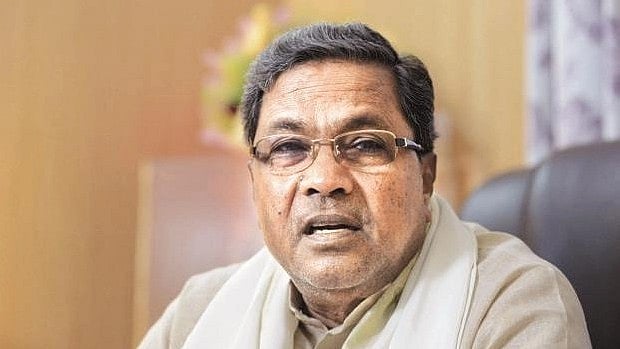
The Karnataka government’s quick action has been noted by many. Chief Minister Siddaramaiah and Revenue Minister Krishna Byre Gowda are personally overseeing the relief efforts. The government is using social media platforms like X (formerly Twitter) and WhatsApp to share helpline numbers and official updates. This helps families in Karnataka stay informed about their relatives abroad. Meanwhile, the aviation industry is struggling to manage the backlog of passengers. Airlines are trying to rebook travelers, but the scale of the disruption makes it a slow process. Public officials have expressed their concern over the safety of Indian citizens and are urging everyone to stay calm and follow official advice.
What This Means Going Forward
The situation remains very fluid, meaning it could change at any moment. The Karnataka Resident Commissioner in New Delhi is currently coordinating with the Ministry of External Affairs (MEA). They are working together to track every request for help that comes in from stranded passengers. Moving forward, the state government is encouraging all Kannadigas in the affected areas to register on the Sarthi Sahayata portal. This is an official platform that helps the government keep track of citizens abroad during emergencies. If the airspace remains closed beyond March 2, the government may need to look into alternative ways to bring people home or provide them with extended support in the countries where they are currently staying.
Final Take
The safety of citizens is the top priority for the state during this international crisis. By setting up 24/7 emergency centers and working with central government departments, Karnataka is taking the necessary steps to protect its people. While the situation in the Middle East is uncertain, the organized response from the state government provides a much-needed safety net for those caught in the middle of the flight disruptions.
Frequently Asked Questions
Why is the Middle East airspace closed?
The airspace is closed due to rising political tensions and military activity in the region. Countries have stopped flights to ensure the safety of passengers and aircraft during this unstable time.
How can stranded passengers get help from the Karnataka government?
Passengers can contact the State Emergency Operations Centre (SEOC) or their local District Emergency Operations Centre. They should also register on the Sarthi Sahayata portal and stay in touch with the nearest Indian embassy.
How long will the flight disruptions last?
Currently, the airspace closures are set to remain in place until March 2, 2026. However, this date could be extended depending on how the situation in the region develops over the coming days.

