
Summary
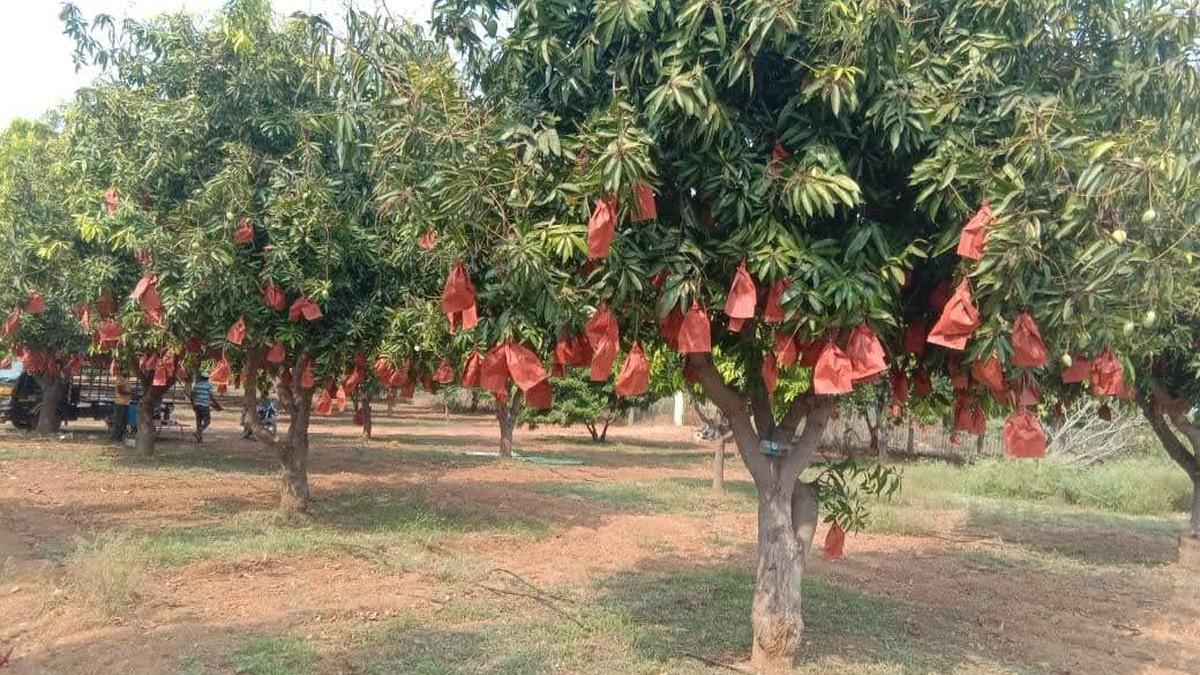
Mango farmers in the Kadapa district are seeing a surge in demand for protective fruit covers as they prepare for a promising harvest season. These specialized covers are used to shield the growing fruit from pests, harsh weather, and birds, ensuring a higher quality of produce. With expectations of a healthy yield this year, growers are investing more in these protective measures to secure better market prices. This shift highlights a growing trend among local farmers to adopt modern agricultural practices to improve their income.
Main Impact
The widespread use of mango covers is changing the way farming is done in the region. By protecting the fruit while it is still on the tree, farmers can significantly reduce the amount of chemical pesticides they need to spray. This not only saves money on expensive chemicals but also results in fruit that is safer for people to eat. Furthermore, covered mangoes develop a uniform color and remain free of spots or scratches, which makes them much more attractive to buyers in both local and international markets. The primary impact is a shift from simply growing a large quantity of fruit to focusing on high-quality, premium produce.
Key Details
What Happened
As the mango trees in Kadapa reach the fruiting stage, farmers have started the labor-intensive process of "bagging" individual mangoes. This involves placing a small, breathable paper or plastic pouch over each fruit. Local markets and agricultural supply stores have reported a massive increase in the sale of these covers. Farmers are prioritizing the Benishan variety, also known as Banganapalli, which is the most popular type grown in the area. The process requires extra labor, but many believe the extra effort is worth the higher profits expected at the end of the season.
Important Numbers and Facts
Kadapa is one of the leading mango-producing regions in the state, with thousands of acres dedicated to orchards. In previous years, pests like the fruit fly could destroy up to 30% of a farmer's crop. By using these covers, that loss can be reduced to almost zero. A single cover costs between two and five rupees, depending on the material and quality. While this adds an initial cost of several thousand rupees per acre, the market price for "A-grade" spotless mangoes can be 40% to 50% higher than standard fruit. This economic reality is driving the current rush to buy supplies.
Background and Context
Mango farming is a major part of the economy in the Rayalaseema region, where Kadapa is located. For a long time, farmers relied solely on traditional methods, which often left them at the mercy of nature. Sudden rain, hail, or intense heat could easily damage the delicate skin of the mango. Additionally, the fruit fly is a major enemy for mango growers; it lays eggs inside the fruit, causing it to rot from the inside before it even ripens. In the past, the only way to fight these problems was to spray the trees multiple times with strong chemicals. However, as consumers become more health-conscious, there is a higher demand for fruit grown with fewer pesticides. The introduction of fruit bagging or covering provides a physical barrier that solves many of these problems without the need for heavy chemical use.
Public or Industry Reaction
Agricultural experts and officials from the Horticulture Department have praised the move toward fruit covering. They note that this practice is common in countries that export large amounts of fruit, and seeing local farmers adopt it is a sign of progress. Local traders are also happy with the trend, as they find it much easier to sell clean, bright-colored mangoes to big retail chains and exporters. Some farmers have expressed concerns about the rising cost of labor needed to put the covers on thousands of fruits, but most agree that the potential for higher earnings outweighs these concerns. There is a general sense of optimism in the farming community that this year’s crop will be one of the best in recent memory.
What This Means Going Forward
If the current season proves successful, the use of fruit covers is likely to become a standard practice across the entire state. This could lead to the development of local industries that manufacture these covers, potentially lowering the price for farmers in the future. There is also a strong possibility that Kadapa mangoes will find a bigger place in the global market. As farmers get better at producing export-quality fruit, the region could see more investment in cold storage and processing plants. The long-term goal is to make mango farming a more stable and profitable business that is less dependent on chemical interventions and more focused on sustainable, high-quality growth.
Final Take
The high demand for mango covers in Kadapa is a clear sign that farmers are ready to embrace change to protect their livelihoods. By investing in quality today, they are ensuring a more profitable and sustainable future for the local fruit industry. This simple tool is proving to be a game-changer for the region's agricultural economy.
Frequently Asked Questions
Why are mango farmers using covers for their fruit?
Farmers use covers to protect the mangoes from pests like fruit flies, birds, and harsh weather. This helps the fruit grow without spots or damage, making it more valuable in the market.
Does using covers reduce the need for pesticides?
Yes, the covers act as a physical barrier. This means farmers do not have to spray as many chemicals to keep insects away, resulting in cleaner and healthier fruit.
Is the Benishan mango the only variety being covered?
While the Benishan (Banganapalli) is the main variety in Kadapa, farmers are also starting to use covers for other premium varieties to ensure they get the best possible price at harvest.

