Summary
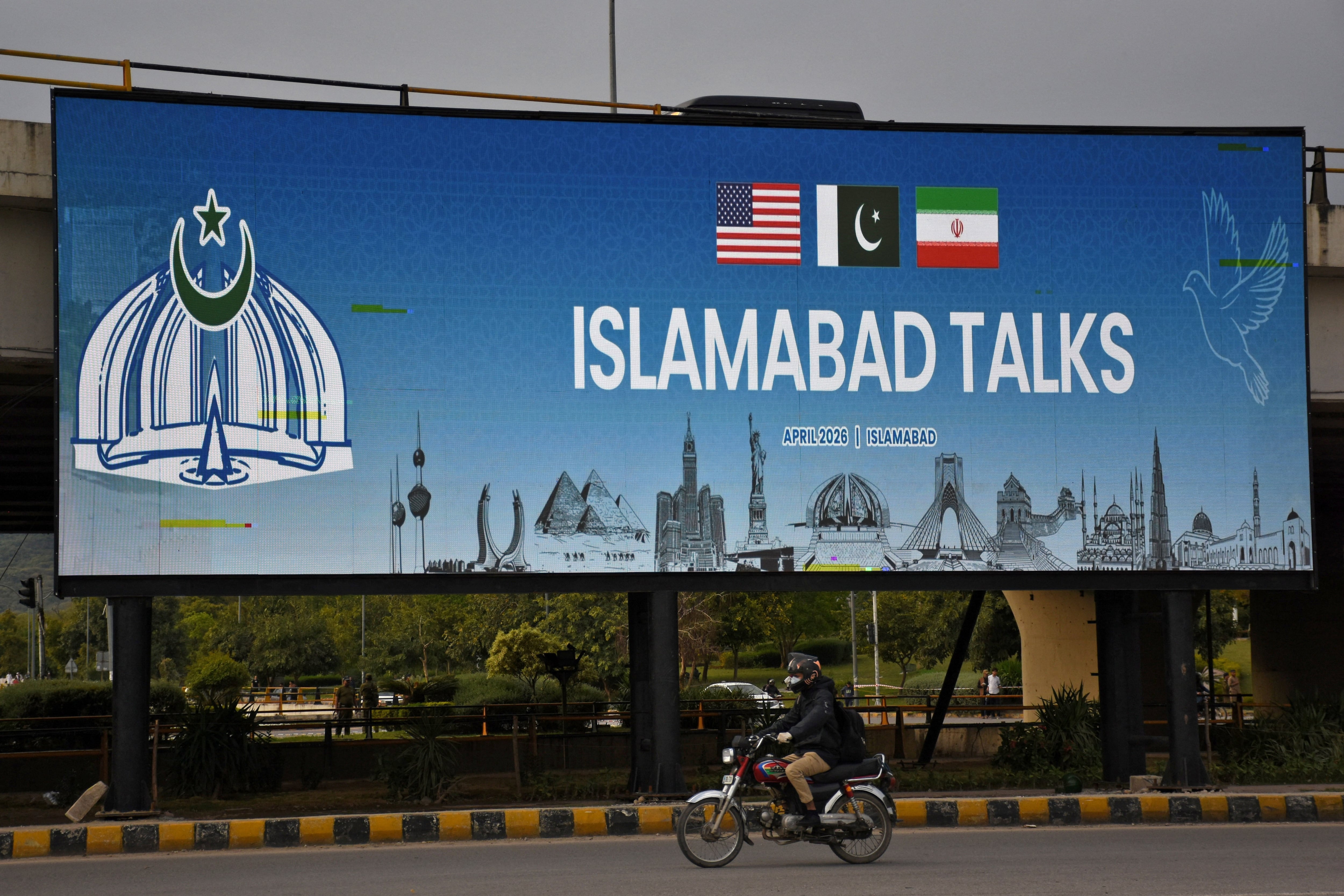
United States Vice President J.D. Vance has issued a strong warning to Iran as both nations prepare for high-stakes negotiations in Islamabad. The Vice President told Iranian officials not to "play games" during the upcoming meetings, suggesting that the American team will not be patient with delays or tricks. Meanwhile, Iran has made its position clear by stating that any progress depends on a total ceasefire, specifically including the recent conflict in Lebanon. These talks are happening at a time of extreme tension, with the Pakistani military providing heavy security for the event.
Main Impact
The primary impact of these negotiations is the potential to either stop or expand the current war in the Middle East. If the United States and Iran can find common ground, it could lead to a much-needed pause in the fighting that has spread across several countries. However, the aggressive tone from both sides shows that a breakthrough is not guaranteed. The U.S. is trying to show strength to protect its interests and allies, while Iran is using its influence over regional groups to demand changes in how Israel conducts its military operations.
Key Details
What Happened
Vice President J.D. Vance is leading the American group to Pakistan for talks scheduled to begin tomorrow. His public warning was direct, telling Iran that the U.S. negotiating team would not be "receptive" if they felt Iran was being dishonest or stalling. On the other side, Iran’s Foreign Ministry spokesperson, Ismail Bagaei, said that the talks are tied to U.S. actions. He specifically mentioned that the U.S. must meet its promises regarding a ceasefire on all fronts, with a heavy focus on the situation in Lebanon.
Important Numbers and Facts
The meetings are taking place in Islamabad, the capital of Pakistan. Because the situation is so dangerous, the Pakistani government has called in the army to protect the city and the diplomats. This move highlights how serious the security risks are for both delegations. At the same time, Israel has taken a sharp diplomatic turn by removing Spain from the international group that monitors the ceasefire in Gaza. Prime Minister Benjamin Netanyahu stated that Spain would pay a "price" for its diplomatic actions against Israel.
Background and Context
This situation is complicated because it involves many different countries and groups. For months, Israel has been fighting in Gaza, but recently the conflict has moved into Lebanon. Israel is fighting Hezbollah, a group that receives support from Iran. The United States is Israel's strongest ally and provides it with military aid, but the U.S. also wants to prevent a massive war that could involve the whole region. Iran wants to stop the attacks on its allies but does not want a direct war with the United States. These talks in Pakistan are a rare moment where both sides are trying to use words instead of weapons to find a solution.
Public or Industry Reaction
The international community is watching these events with great concern. Many world leaders are worried that if the Islamabad talks fail, the fighting will get much worse. In Israel, Prime Minister Netanyahu is showing that he will not tolerate criticism from European nations like Spain. By kicking Spain out of the ceasefire monitoring group, he is sending a message that Israel will handle its own security without outside interference. Meanwhile, people in Lebanon and Gaza are waiting to see if these high-level political meetings will actually lead to a stop in the daily bombings and violence.
What This Means Going Forward
The next few days will be critical for the future of the Middle East. If J.D. Vance and the Iranian team can agree on even a small part of a peace plan, it could open the door for more talks. If they fail, we can expect the military strikes between Israel and Hezbollah to increase. There is also the risk that the U.S. could become more directly involved in the fighting if Iran does not back down. The security of the entire region depends on whether these two sides can move past their threats and find a way to agree on a ceasefire that satisfies everyone involved.
Final Take
The road to peace is currently blocked by deep mistrust and tough talk. While the meeting in Islamabad offers a glimmer of hope, the demands from both the U.S. and Iran are very far apart. Success will require more than just warnings; it will require both nations to make difficult choices to prevent a larger disaster. The world is waiting to see if diplomacy can finally win over force.
Frequently Asked Questions
Why is J.D. Vance leading the talks?
As the Vice President, J.D. Vance is representing the highest levels of the U.S. government to show that the United States is serious about reaching a deal and protecting its interests in the region.
What does Iran want from the United States?
Iran is demanding that the United States ensure a total ceasefire on all fronts of the war, especially in Lebanon, before they will agree to any long-term peace terms.
Why did Israel expel Spain from the ceasefire group?
Prime Minister Netanyahu accused Spain of waging a "diplomatic war" against Israel. He removed them from the monitoring group as a direct punishment for their political stance on the conflict.