
Summary
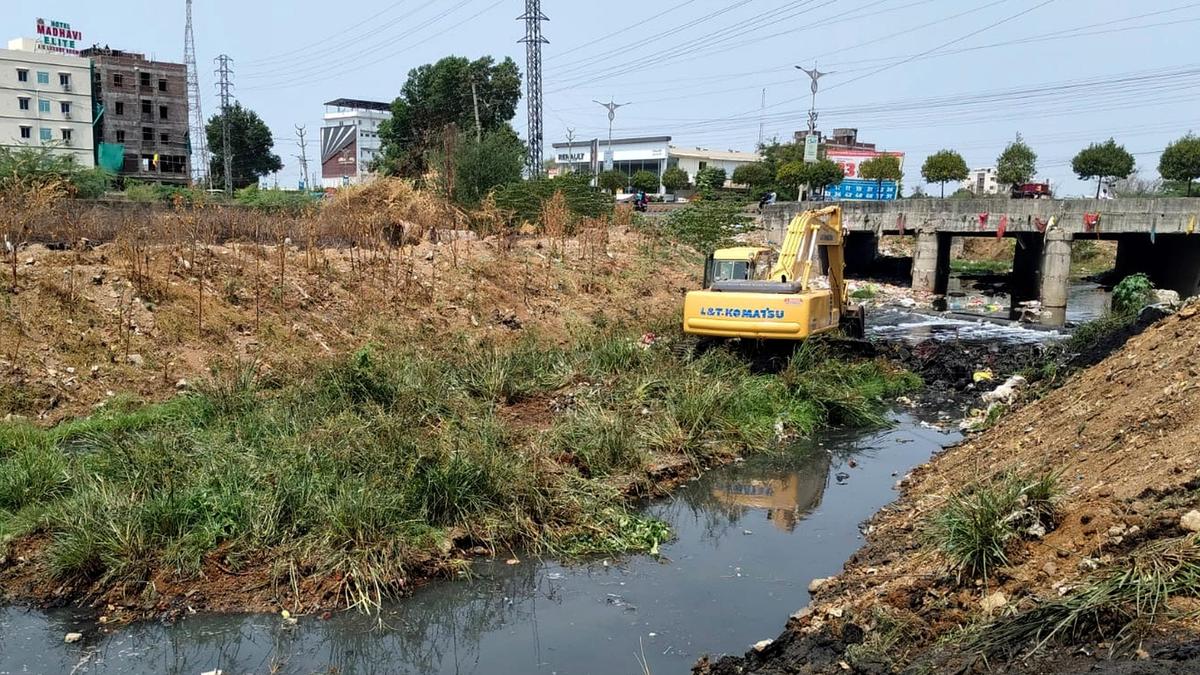
The Toorpu Vanka feeder canal in Sambavaram is finally being cleaned after years of neglect. This water channel had become blocked with thick layers of mud and sand, making it useless for local farmers. Under a new government initiative, workers are now removing this buildup to restore the flow of water. This project is a key part of local efforts to improve water management and support the village's agricultural needs.
Main Impact
The primary effect of this project is the restoration of a vital water source for the Sambavaram region. When a feeder canal is blocked by silt, water cannot reach the fields where it is needed most. By clearing the canal, the government is ensuring that rainwater and irrigation supplies can move freely. This helps farmers grow their crops more reliably and prevents water from being wasted or causing local flooding during heavy rains.
Key Details
What Happened
For a long time, the Toorpu Vanka feeder canal was in poor condition. Over many years, dirt, sand, and debris settled at the bottom of the canal. This process, known as silting, made the canal shallow and narrow. Eventually, the water could no longer flow through it properly. To fix this, officials launched a desilting project. Workers are using manual labor and tools to dig out the accumulated mud, bringing the canal back to its original depth and width.
Important Numbers and Facts
The project is being carried out under the Mahatma Gandhi National Rural Employment Guarantee Scheme (MGNREGS). This is a federal program that provides guaranteed work to people living in rural areas. The total cost for cleaning this specific canal is estimated at ₹2.94 lakh. This budget covers the wages for the workers and the necessary tools to complete the job. The work is part of a larger regional focus on water conservation called Jaladhara-Jalaharathi.
Background and Context
In many rural parts of India, feeder canals are the lifeblood of the farming community. These small channels take water from larger rivers or reservoirs and carry it directly to the fields. However, these canals need regular care. If they are not cleaned, nature takes over. Grass grows in the path, and soil washes in from the banks. In Sambavaram, the Toorpu Vanka canal had reached a point where it was almost completely filled in.
The use of the MGNREGS program for this task is significant. It serves two purposes at once. First, it fixes the infrastructure that the village needs for its economy. Second, it provides immediate income to local families who perform the hard work of digging and clearing the site. This approach keeps the money within the community while solving a long-term environmental problem.
Public or Industry Reaction
Local farmers have expressed relief that the canal is finally getting attention. Many had struggled with low water levels even during seasons when there was plenty of rain because the water simply could not reach their land. Community leaders have noted that the timing of the work is helpful, as it prepares the ground for the upcoming growing seasons. By finishing the work now, the village will be ready to capture and direct water as soon as the next rains arrive.
What This Means Going Forward
The success of this project will depend on how well the canal is maintained in the future. While the current desilting will provide immediate relief, canals naturally collect dirt over time. Officials may need to set up a regular schedule for minor cleaning to prevent the canal from getting choked again. If the water flows well, it will also help refill the local groundwater, which is important for drinking water wells in the area. This project serves as a model for how small investments in rural infrastructure can lead to big changes for local residents.
Final Take
Cleaning the Toorpu Vanka feeder canal is a practical step toward better water security in Sambavaram. By spending a relatively small amount of money on labor and desilting, the government is protecting the livelihoods of many farming families. This project shows that maintaining existing water systems is just as important as building new ones. When water can flow without obstacles, the entire community benefits from better crops and a more stable environment.
Frequently Asked Questions
What is desilting?
Desilting is the process of removing mud, sand, and other materials that have settled at the bottom of a water channel. This helps the water flow faster and allows the canal to hold more volume.
How does this project help local workers?
The project is funded through MGNREGS, which means local villagers are hired to do the work. This provides them with a steady wage and helps the local economy while improving village resources.
Why was the canal blocked for so long?
Over several years, natural erosion and a lack of regular maintenance caused soil to build up in the canal. Without a dedicated project to clear it, the buildup became too much for the water to push through on its own.

