
Summary
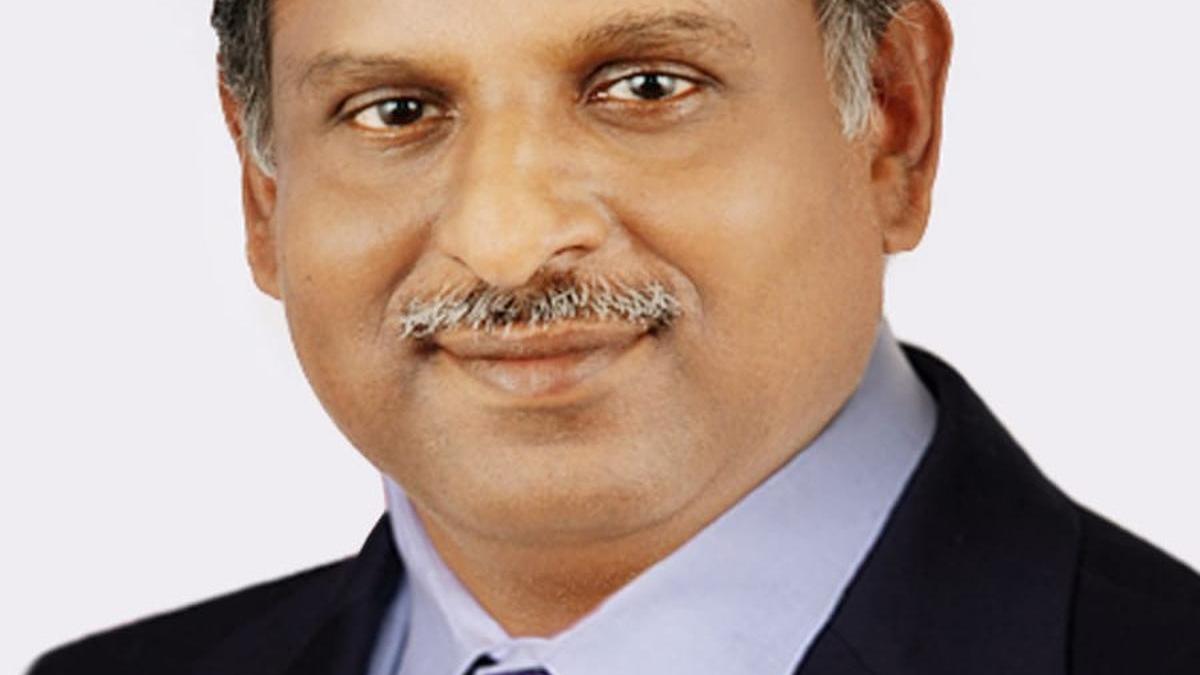
The Chairman of the Indian Space Research Organisation (ISRO), V. Narayanan, recently spoke about the challenges facing the country's space programs. During a meeting with retired space agency staff, he explained that technical setbacks with the Polar Satellite Launch Vehicle (PSLV) are not just failures. Instead, he views these moments as vital chances to learn and improve the entire system. His message focused on building a more resilient and reliable space program for the future.
Main Impact
The primary impact of this statement is a shift in how the public and the scientific community view mission failures. By calling setbacks "opportunities," the ISRO chief is encouraging a culture of growth and persistence. This approach helps maintain high morale among current scientists and engineers. It also reassures the public that every problem encountered during a launch is studied deeply to prevent it from happening again. This focus on learning ensures that India's space technology remains competitive on a global scale.
Key Details
What Happened
On Tuesday, March 24, 2026, V. Narayanan attended the 11th biennial conference of the ISRO Pensioners’ Association. This event brings together former employees who helped build India's space reputation over many decades. During his opening speech, the Chairman addressed recent difficulties faced by the PSLV program. He told the audience that while the agency aims for perfection, the complex nature of space travel means that errors can occur. He emphasized that the agency uses these moments to look closely at their hardware and software to find ways to make them stronger.
Important Numbers and Facts
The PSLV is often called the "workhorse" of ISRO because it has completed dozens of successful missions over the last thirty years. It is responsible for carrying many of India’s Earth observation and communication satellites into orbit. While its success rate is very high, even a small technical glitch can lead to a mission not meeting its goals. The conference held this week serves as a bridge between the experienced retired workforce and the new generation of scientists currently working on these advanced rocket systems.
Background and Context
Space exploration is one of the most difficult tasks humans can do. Rockets must travel at incredible speeds and survive extreme heat and pressure. Because of this, even the best space agencies in the world face occasional problems. The PSLV has been a symbol of India's self-reliance in technology. It has allowed the country to launch its own satellites without depending on other nations. However, as missions become more complex and carry more expensive equipment, the pressure to succeed increases. By speaking at a pensioners' event, the Chairman highlighted the importance of experience. He acknowledged that the wisdom of those who built the original systems is still needed to solve modern problems.
Public or Industry Reaction
The reaction to the Chairman’s comments has been largely positive. Many experts in the aerospace industry agree that a fear of failure can actually slow down innovation. By openly discussing setbacks, ISRO is seen as a transparent and mature organization. Retired staff members at the conference expressed their support, noting that they faced similar challenges during the early days of the space program. Younger engineers also feel more supported, knowing that the leadership understands the risks involved in their work. This open dialogue helps build trust with international partners who use ISRO’s services to launch their own satellites.
What This Means Going Forward
Looking ahead, ISRO will likely implement stricter testing and more advanced simulation tools. The goal is to catch potential issues on the ground before the rocket ever leaves the launch pad. The agency is also working on new versions of its rockets that can carry heavier loads and reach further into space. The lessons learned from recent PSLV setbacks will be applied to these new projects. This means future missions will have better safety features and more robust designs. The focus will remain on being a cost-effective and reliable provider of space launch services for the world.
Final Take
Space travel is a journey of constant learning. The words of V. Narayanan remind us that progress is often built on the lessons learned from things that did not go as planned. By treating every setback as a lesson, ISRO ensures that it does not just repeat the past, but builds a better future. The agency's commitment to strengthening its systems shows that India is ready to remain a major player in the global space race for many years to come.
Frequently Asked Questions
What is the PSLV?
The PSLV, or Polar Satellite Launch Vehicle, is a rocket designed by India to carry satellites into space. It is known for being very reliable and has been used for many important missions.
Why did the ISRO Chairman speak to retired employees?
He spoke to them at a conference to honor their past work and to discuss the current state of the space program. He believes their experience is valuable for solving today's technical problems.
How does ISRO handle mission failures?
ISRO studies every failure in great detail. They look at the data to find out exactly what went wrong and then change their designs or processes to make sure the same mistake does not happen again.



