
Summary
Israel and Lebanon have agreed to keep their current ceasefire going for another three weeks. Israeli Prime Minister Benjamin Netanyahu says he wants to reach a long-lasting peace deal, but he has accused the group Hezbollah of trying to ruin these efforts. While the fighting has slowed down, the situation remains very tense as both sides continue to watch each other closely. This pause in the war is a small step toward safety, but many people worry that the peace could break at any moment.
Main Impact
The decision to extend the truce has a major impact on the lives of thousands of people living near the border. For many months, families in both northern Israel and southern Lebanon have had to leave their homes because of the constant danger. This three-week extension gives these families a moment of relief, but it does not mean they can return to their normal lives just yet. The uncertainty makes it hard for schools to open or for businesses to start working again.
Beyond the local towns, this ceasefire affects the entire Middle East. If the peace holds, it could prevent a much larger war that might involve other countries. However, the harsh words coming from leaders on both sides show that the conflict is far from over. The main impact right now is a shift from heavy military fighting to a difficult diplomatic battle where every move is questioned.
Key Details
What Happened
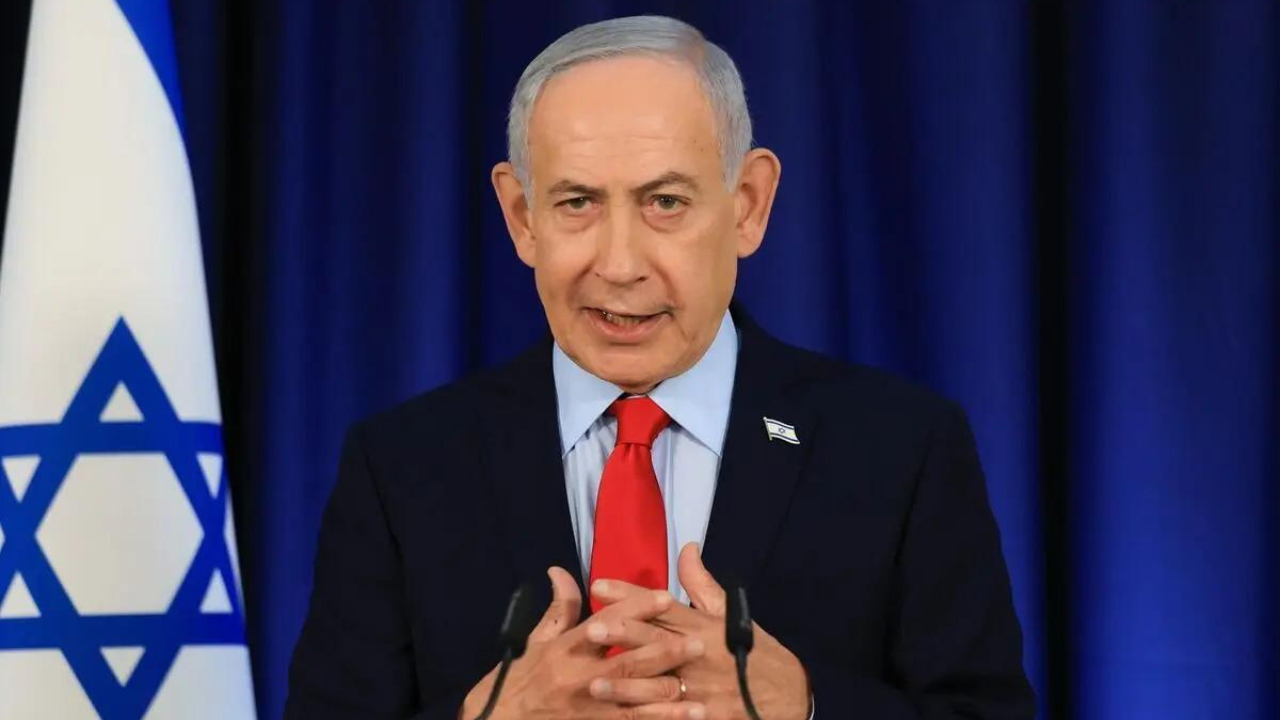
Prime Minister Netanyahu recently spoke about the state of the conflict and the goals of his government. He stated that he is looking for a "historic peace" that would ensure the safety of Israeli citizens for many years. He credited the United States for putting pressure on Iran, which he believes helped make this pause in fighting possible. Netanyahu argued that without this international pressure, the situation would be much worse.
On the other side, Hezbollah has not shown much faith in the agreement. Leaders of the group have called the ceasefire "meaningless." They claim that the Israeli military is still active in ways that threaten Lebanon. Because of this, Hezbollah has continued to carry out small attacks, which they describe as a response to Israeli actions. This back-and-forth makes the ceasefire feel very weak.
Important Numbers and Facts
The ceasefire has been extended for exactly 21 days. This follows an initial period of reduced violence that was meant to test if both sides could stop shooting. The United States has been the primary mediator, working behind the scenes to keep the talks moving. Reports show that while major airstrikes have stopped, there are still daily reports of small skirmishes and rocket fire along the border area.
Background and Context
The conflict between Israel and Hezbollah has been going on for decades. Hezbollah is a powerful political and military group based in Lebanon. They receive a lot of support, including money and weapons, from the government of Iran. Israel views Hezbollah as a major threat because the group has a large number of rockets aimed at Israeli cities. In recent months, the fighting became much more intense than usual, leading to fears of a full-scale war. Israel wants Hezbollah to move its fighters away from the border so that people can live in peace, while Hezbollah says it is defending Lebanon from Israeli aggression.
Public or Industry Reaction
The reaction to the ceasefire extension is a mix of hope and fear. In Lebanon, many people are exhausted by the threat of war and want a permanent solution so they can rebuild their damaged towns. They are calling on their leaders to find a way to stop the violence for good. In Israel, there is a lot of pressure on the government to ensure that any peace deal is real and not just a way for Hezbollah to get ready for another attack.
International groups that provide food and medicine are using this time to help people who have been hurt by the war. They say that even a short break in the fighting is helpful, but they warn that a permanent peace is the only way to truly solve the humanitarian crisis. Diplomatic experts are watching the situation closely, noting that the next few weeks will be a major test for everyone involved.
What This Means Going Forward
The next three weeks will be a critical time for the region. If both sides can follow the rules of the ceasefire, it might lead to a more formal peace treaty. This would involve setting clear rules about where soldiers can go and how the border will be managed. However, there are many risks that could cause the deal to fail. A single mistake by a soldier or a small rocket attack from a rogue group could start the full-scale fighting again.
The role of the United States and Iran will continue to be very important. If the US can keep the pressure on and if Iran decides to pull back its support for the fighting, there is a chance for a long-term solution. If not, the region may find itself back in a state of war very soon.
Final Take
A ceasefire is a good start, but it is not the same thing as peace. While the 21-day extension provides a much-needed break from the violence, the lack of trust between Israel and Hezbollah remains the biggest problem. For a real ending to the war, both sides will need to move past angry words and find a way to live as neighbors without the constant threat of fire.
Frequently Asked Questions
How long will the new ceasefire last?
The current extension is set for 21 days, which is three weeks. During this time, both sides are expected to stop major military actions.
Why does Hezbollah call the ceasefire meaningless?
Hezbollah believes that the Israeli military is still taking actions that threaten Lebanon's safety. They feel that as long as Israeli troops are active near the border, the truce is not a real peace.
What is the goal of the peace talks?
The main goal is to create a "historic peace" that allows people on both sides of the border to return to their homes and live without the fear of daily rocket attacks or airstrikes.

