Summary
Iranian Kurdish opposition groups currently living in northern Iraq are preparing to move back across the border into Iran. These groups have spent many years in exile, but they now say they are ready for action if the situation inside Iran changes. While they officially deny that their fighters have already entered the country, their leaders confirm that they are waiting for the right moment to support local movements. This development marks a significant increase in tension between these armed groups and the government in Tehran.
Main Impact
The potential return of armed Kurdish fighters to Iran could change the way protests and opposition movements work within the country. Up until now, most opposition has come from unarmed citizens and students. If organized groups with military training enter the mix, the Iranian government may respond with much greater force. This shift increases the risk of a larger armed conflict that could spill over the border and involve the regional government in Iraq.
Key Details
What Happened
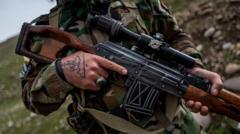
Leaders of several Iranian Kurdish parties, who have been based in the mountains of Iraqi Kurdistan for decades, have stated that their forces are on high alert. These groups, such as the Kurdistan Democratic Party of Iran (PDKI) and Komala, have maintained military camps in exile. For a long time, they agreed to stay quiet to avoid causing trouble for their hosts in Iraq. However, recent events and growing anger inside Iran have led these groups to reconsider their strategy. They are now openly discussing their plans to cross the border to help their people.
Important Numbers and Facts
There are thousands of fighters and their family members living in these exile camps. In the past two years, the Iranian government has launched several missile and drone attacks against these locations, claiming they are bases for "terrorists." In 2023, a security agreement between Iran and Iraq forced many of these groups to move away from the immediate border area and into more central parts of northern Iraq. Despite being moved, the groups report that their numbers remain strong and their training has not stopped. They claim to have a network of supporters inside Iran who are ready to assist them when they arrive.
Background and Context
The Kurds are an ethnic group living across parts of Iran, Iraq, Turkey, and Syria. In Iran, they make up about 10% of the population and mostly live in the western part of the country. For a long time, Kurdish people in Iran have said they face discrimination and are not allowed to celebrate their culture or language freely. Many of the largest protests against the Iranian government have started in Kurdish-majority cities. For example, the major protests in 2022 began after the death of Mahsa Amini, a young Kurdish woman. Because of this history, the Iranian government views Kurdish political groups as a major threat to its control.
Public or Industry Reaction
The Iranian government has put a lot of pressure on the Iraqi government to disarm these groups completely. They have warned that if Iraq does not stop the Kurdish fighters, Iran will take military action on Iraqi soil. Within the Kurdish community, there is a mix of hope and fear. Some believe that these armed groups are the only ones who can truly protect them from the government. Others worry that their presence will only give the Iranian military an excuse to use even more violence against innocent civilians in Kurdish towns.
What This Means Going Forward
In the coming months, the actions of these groups will be closely watched by international security experts. If they do cross the border in large numbers, it could lead to a guerrilla war in the mountains of western Iran. This would be very difficult for the Iranian army to manage, even with their superior weapons. However, such a move also carries great risk for the fighters. They would be facing a much larger and better-equipped national military. Additionally, the Iraqi government is in a difficult position, as it tries to maintain a good relationship with Iran while also protecting the Kurds living within its own borders.
Final Take
The situation near the Iran-Iraq border is becoming more unstable as these exile groups prepare for a potential return. While they have not yet started a full-scale move, their readiness shows that the opposition to the Iranian government is becoming more organized and militant. The world is watching to see if this will lead to a new chapter of conflict or if diplomatic pressure will keep the fighters in their camps. For now, the "boots on the ground" remain a serious possibility that could change the future of the region.
Frequently Asked Questions
Who are the Iranian Kurdish opposition groups?
They are political and military groups made up of Kurds from Iran who live in exile in Iraq. They want more rights and freedom for Kurdish people living in Iran.
Why are they in Iraq?
They fled Iran many years ago to escape government crackdowns. Northern Iraq, which is run by the Kurdistan Regional Government, has provided them with a safe place to live and train.
Has Iran attacked these groups before?
Yes, Iran has used missiles and drones to strike their camps in Iraq several times. Iran claims these groups are responsible for causing unrest and violence inside Iranian borders.