Summary
Global financial markets are on edge as a major deadline approaches for Iran to reopen the Strait of Hormuz. President Donald Trump set a 48-hour limit for the country to comply with U.S. demands or face military action against its power plants. This standoff has caused stock prices to fall and energy costs to rise, creating a tense situation for the global economy. Both sides have increased their military presence, raising fears of a conflict that could destroy vital infrastructure and leave millions of people without water or electricity.
Main Impact
The most immediate effect of this tension is being felt in the pockets of everyday people and the balance sheets of large companies. Stock market futures dropped as investors worried about the possibility of a full-scale war. Because the Strait of Hormuz is a vital path for the world’s oil supply, any threat to the region causes energy prices to spike. This has already led to a sharp increase in gasoline prices in the United States, making it more expensive for families to travel and for businesses to ship goods.
Key Details
What Happened
Over the weekend, President Trump issued a stern warning to the Iranian government. He demanded that they reopen the Strait of Hormuz, a narrow waterway essential for global trade. If Iran does not meet this demand by Monday, the U.S. has threatened to target Iranian power plants. Iran quickly responded by stating that if their power plants are attacked, they will strike back at vital infrastructure in the region. This includes desalination plants, which are facilities that turn seawater into drinking water for millions of people in the Middle East.
Important Numbers and Facts
The financial and military data shows the scale of the crisis:
- Stock Markets: Dow Jones futures fell by 78 points, while the Nasdaq and S&P 500 also saw losses.
- Oil Prices: U.S. oil is trading near $98 a barrel, while Brent crude, the international standard, is over $111.
- Gasoline: The average price for a gallon of gas in the U.S. hit $3.94, an increase of more than one dollar in just one month.
- Military Strength: The U.S. is sending 2,500 more Marines and three large assault ships to the region. There are already more than 50,000 U.S. troops stationed nearby.
- Missile Range: Iran recently tested long-range missiles by attacking a base 2,500 miles away, proving they can reach targets as far away as Europe.
Background and Context
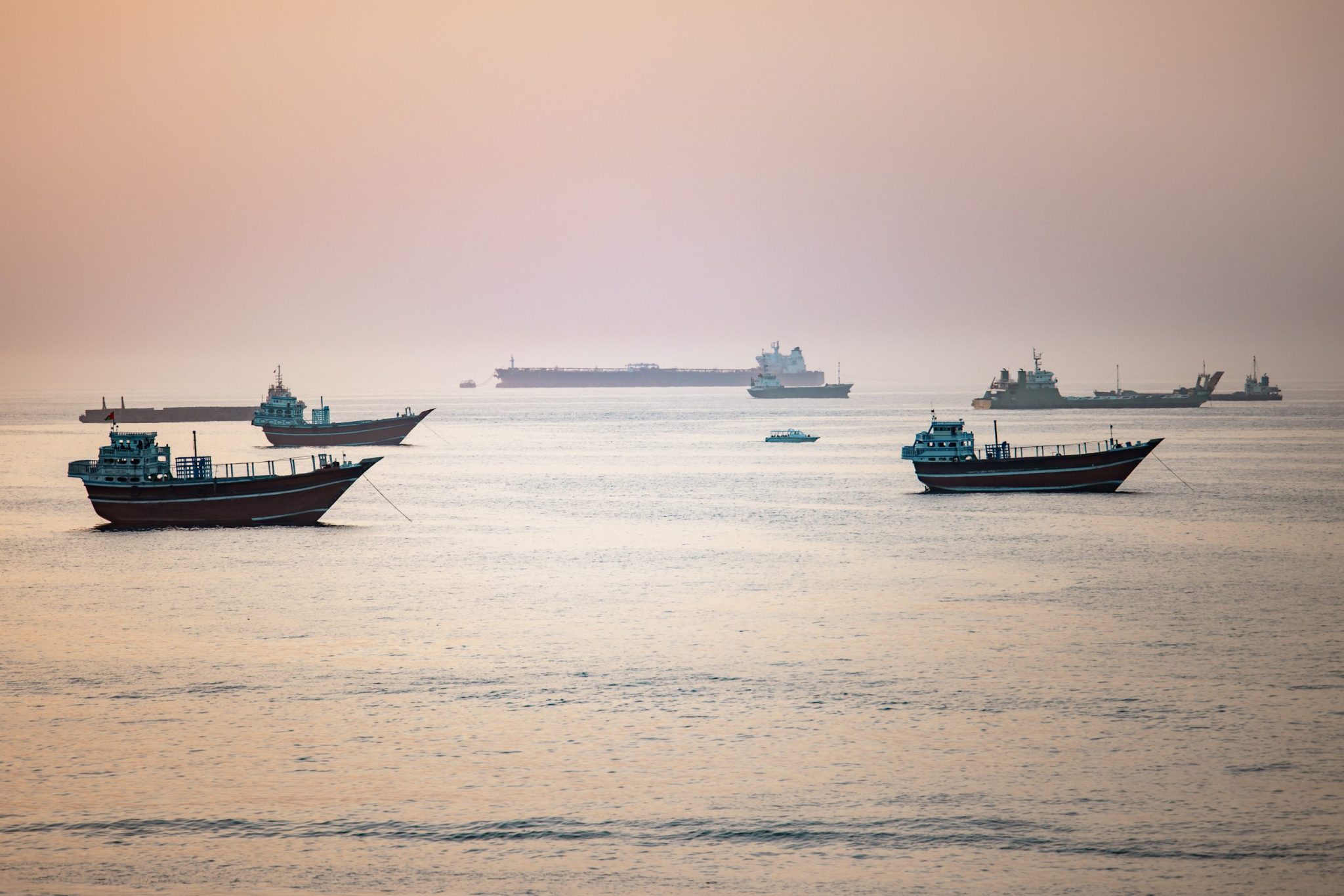
The Strait of Hormuz is one of the most important locations in the world for the energy trade. About one-fifth of the world's oil passes through this narrow stretch of water. When Iran threatens to close it, the global supply of oil is put at risk, which causes prices to go up everywhere. This current conflict has moved beyond just oil, however. The threats now involve "civilian infrastructure," which means the systems that provide basic needs like light, heat, and water. In the desert climate of the Gulf, losing water cleaning plants would be a humanitarian disaster because there are few other sources of fresh water.
Public or Industry Reaction
There are mixed feelings about how to handle the situation. David Sacks, a top advisor to the president on technology and crypto, warned that continuing this path could make the region "uninhabitable." He argued that without water, millions of people could not survive, leading to a massive humanitarian crisis. On the other hand, NATO leaders and officials from the United Arab Emirates (UAE) have shown support for a firm stance. The UAE has dealt with missile attacks from Iran and wants a permanent solution to stop what they call "bullying" in the shipping lanes. NATO's Secretary General also stated that a nuclear-capable Iran would be a threat to the entire world, not just the Middle East.
What This Means Going Forward
As the Monday deadline nears, the world is watching to see if either side will back down. If the U.S. moves forward with military strikes, it could lead to a long and costly war. Some experts are suggesting a different approach, such as a naval blockade. Instead of dropping bombs, the U.S. Navy would stop any ships from taking oil out of Iran. The goal would be to crash Iran's economy until they agree to reopen the strait. This is seen by some as a way to apply pressure without immediately starting a large-scale ground war, though it still carries high risks of escalation.
Final Take
The situation has reached a critical point where economic stability and human lives are both at risk. While the goal is to keep global trade moving, the methods being discussed could have lasting effects on the entire world. Investors, world leaders, and citizens are all waiting to see if diplomacy can find a way forward or if the region is headed for a destructive conflict that will change the global energy market forever.
Frequently Asked Questions
Why is the Strait of Hormuz so important?
It is a narrow waterway that connects oil producers in the Middle East to the rest of the world. A large portion of the world's daily oil supply must pass through this area to reach international markets.
What is a desalination plant?
It is a factory that removes salt from ocean water to make it safe for people to drink. In many Middle Eastern countries, these plants provide almost all the fresh water used by the population.
How does this conflict affect gas prices in the U.S.?
When there is a threat of war in oil-producing regions, the price of crude oil goes up due to fear of a shortage. Since gasoline is made from oil, those higher costs are passed on to drivers at the pump.