Summary
Iran has launched a missile attack against a joint United Kingdom and United States military base located 2,500 miles away in the Indian Ocean. This strike on the Diego Garcia base suggests that Iran’s military technology is much more advanced than Western officials previously believed. The attack happened as the conflict in the Middle East entered its fourth week, leading to threats of even stronger military responses from Israel and the United States. This event marks a major change in the scale of the war, showing that Iran can now reach targets far beyond its own borders.
Main Impact
The most significant impact of this missile launch is the discovery of Iran's long-range strike capabilities. Before this event, many experts thought Iran’s weapons could only reach nearby countries. By hitting a target 4,000 kilometers away, Tehran has shown it can threaten strategic bases that were once considered safe. This development forces the U.S. and its allies to rethink their defense strategies across a much larger area. It also increases the risk of the war spreading into a global conflict, as more regions are now within reach of Iranian missiles.
Key Details
What Happened
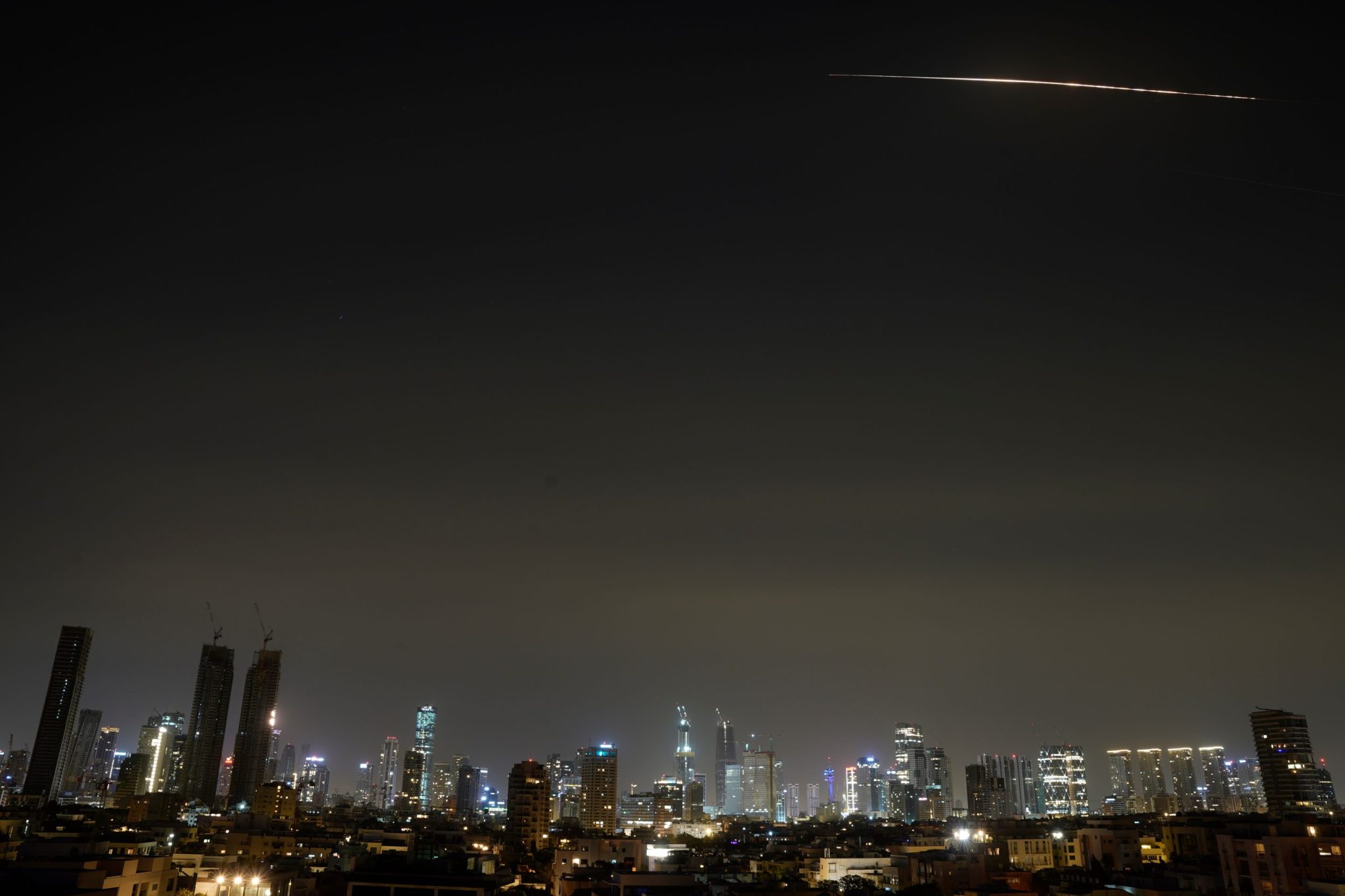
On Friday, Iran fired missiles at the Diego Garcia air base, a key military hub in the Indian Ocean used by both British and American forces. While the attack did not cause major damage or reach its full objective, it served as a clear demonstration of power. On the same day, an Israeli airstrike hit Iran’s Natanz nuclear facility. This site is where Iran processes uranium, a material used for both nuclear power and weapons. Iranian officials reported that the facility was damaged but claimed there was no dangerous radiation leak. Additionally, a fragment from an Iranian missile landed near an empty school in Israel, though no one was hurt in that specific incident.
Important Numbers and Facts
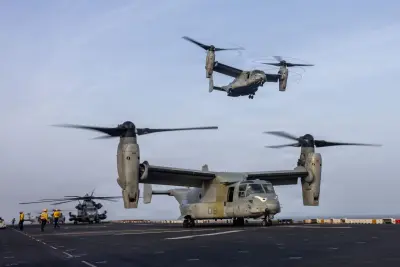
The war has already resulted in a high number of deaths and a massive movement of troops. More than 1,300 people have died in Iran since the fighting began in late February. In Lebanon, Israeli strikes against the group Hezbollah have killed over 1,000 people and forced more than one million residents to leave their homes. On the other side, 15 people have died in Israel from Iranian missiles, and 13 U.S. military members have lost their lives. To prepare for more fighting, the U.S. is sending 2,500 more Marines and three large assault ships to the region. President Trump has also asked Congress for $200 billion to pay for the ongoing military operations.
Background and Context
This war began about four weeks ago, but the tension between these countries has existed for many years. The United States and Israel have stated different goals for the conflict. Some officials hope the pressure will lead to a change in Iran’s government, while others focus on destroying Iran’s nuclear and missile programs. Iran, however, says it wants a total end to the war rather than just a temporary pause in fighting. The situation is further complicated by the fact that Iran’s top leader, Mojtaba Khamenei, has not been seen in public recently, leading to questions about who is actually making decisions in the country.
Public or Industry Reaction
The British government strongly criticized Iran for the attack on the Diego Garcia base. They called Iran’s actions a threat to global interests and international safety. In response, Britain has allowed U.S. bombers to use its bases to strike back at Iranian missile sites. Meanwhile, the global economy is feeling the effects of the war. Because the region is a major source of oil, fuel prices have been rising quickly. To help lower these costs, the U.S. government recently decided to temporarily stop some sanctions on Iranian oil, allowing some shipments to move forward until mid-April. However, this has not yet fixed the problem of high prices at the pump.
What This Means Going Forward
The conflict is expected to get much more intense in the coming days. Israel’s Defense Minister has already warned that the scale of attacks against Iran will increase significantly next week. The U.S. is also moving more military equipment and personnel into the area, even though President Trump has mentioned he would like to see the operations end eventually. The discovery of Iran's long-range missiles means that other countries and military bases in the region must now stay on high alert. There is also a continued risk of oil supplies being cut off, which would cause even more economic trouble for people around the world.
Final Take
The war has reached a dangerous new level with the use of long-range weapons that can travel thousands of miles. As both sides increase their military activity, the hope for a quick peace seems to be fading. The focus is now shifting from a local battle to a much larger struggle that affects global security and the world economy. The next few weeks will be critical in determining if the conflict can be contained or if it will continue to grow.
Frequently Asked Questions
How far can Iran's new missiles travel?
The recent attack on the Diego Garcia base shows that Iran has missiles capable of traveling at least 2,500 miles (4,000 kilometers). This is much further than many military experts previously expected.
Was there a radiation leak at the Natanz nuclear site?
According to Iranian news agencies and the International Atomic Energy Agency (IAEA), there have been no reports of radiation leaks following the recent airstrike on the facility. However, the site did suffer physical damage.
Why are oil prices going up because of this war?
The Middle East is a major producer of the world's oil. When there is a war in this region, it becomes harder and more expensive to ship oil safely. This leads to higher prices for gasoline and other fuels globally.