
Summary
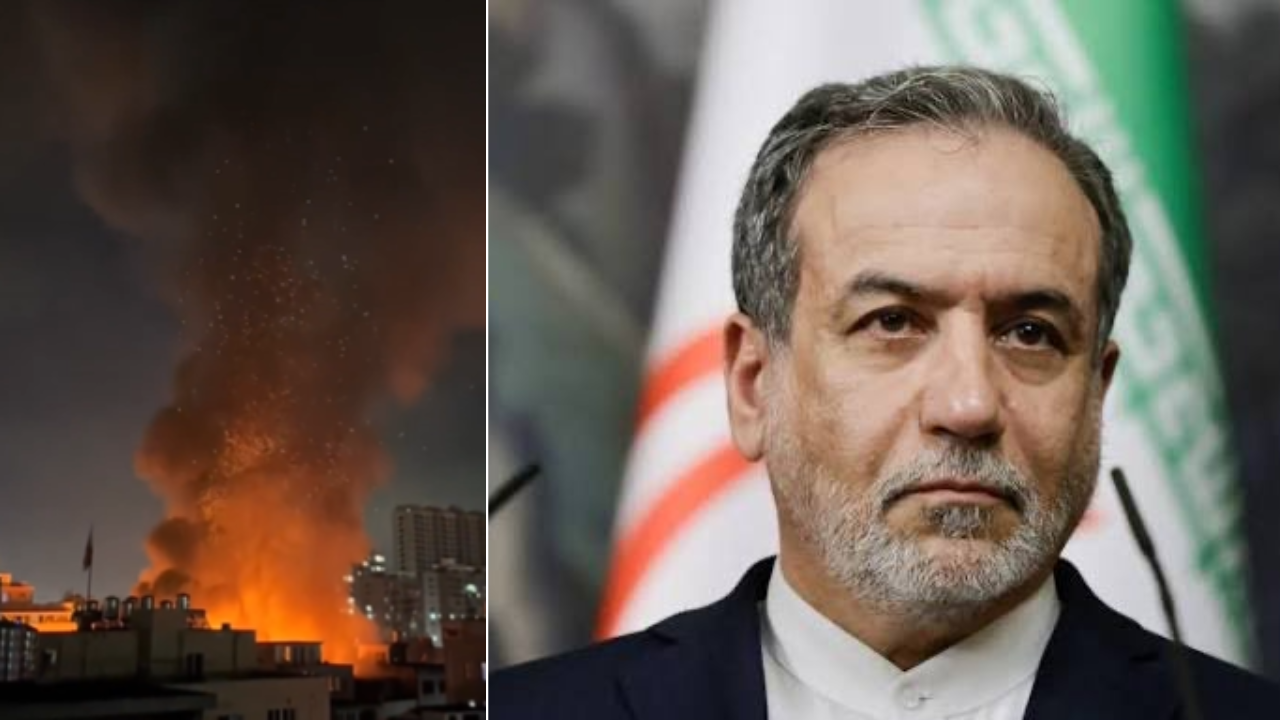
New attacks have been reported in the Gulf region following a series of sharp warnings from Iran. The Iranian government recently told the United Arab Emirates (UAE) to clear its ports of certain vessels, citing security concerns. Shortly after these warnings, several explosions occurred near key shipping routes, causing immediate worry for international trade. Tehran is now demanding that other nations be held responsible for the rising tensions in the area.
Main Impact
The most direct impact of these attacks is the threat to global energy supplies. The Gulf is one of the most important waterways in the world for moving oil and gas. When violence occurs here, it makes shipping much more expensive because insurance companies raise their rates for vessels traveling through the region. This can lead to higher fuel prices for people all over the world. Additionally, the safety of sailors is now a major concern, as ships are no longer sure if they can pass through these waters without being targeted.
Key Details
What Happened
Early on Monday, reports surfaced of explosions near commercial shipping lanes. These incidents happened just hours after Iranian officials issued a formal statement. In that statement, Iran told the UAE to evacuate foreign military and commercial ships from its ports. Iran claimed that the presence of these ships was a threat to its national safety. While no group has officially claimed responsibility for the latest strikes, the timing has led many experts to link the events to the warnings from Tehran.
Important Numbers and Facts
The attacks took place near the Strait of Hormuz, a narrow passage where about 20% of the world's daily oil supply passes. At least three large cargo ships reported damage, though no sinking has been confirmed. Security teams in the UAE have increased their presence, and several shipping companies have told their captains to stay at least 20 miles away from the coast until further notice. This disruption affects billions of dollars worth of trade that moves through these ports every single day.
Background and Context
To understand why this is happening, it is important to look at the long history of tension in the Middle East. Iran and the UAE have often had disagreements over who should control the waters in the Gulf. Iran believes that foreign countries, especially those from the West, should not have a military presence in the region. They argue that local countries should manage their own security. On the other hand, the UAE and its allies believe that international cooperation is necessary to keep trade moving safely. This latest move by Iran is seen as a way to show its power and pressure its neighbors to change their policies.
Public or Industry Reaction
The reaction from the international community has been one of deep concern. Shipping industry leaders have called for more protection for commercial vessels. Many are worried that if the situation does not improve, they will have to stop using these routes entirely, which would cause a massive delay in global shipping. The UAE government has stated that it is working to ensure the safety of its ports but has also called for a peaceful solution. Meanwhile, Tehran remains firm, stating that it will continue to protect its interests and that those who "provoke" Iran must face the consequences.
What This Means Going Forward
Looking ahead, the risk of a larger conflict is growing. If more ships are attacked, there may be a push for a stronger military response from other nations to protect the trade routes. This could lead to a cycle of violence that is hard to stop. Diplomats are currently trying to talk to both sides to prevent things from getting worse. The next few days will be critical. If Iran continues to demand that ports be cleared, and if more attacks happen, the global economy could feel the effects through higher prices and slower trade for months to come.
Final Take
The situation in the Gulf is a reminder of how fragile global trade can be. A single warning followed by a few attacks can change how the entire world moves goods. While the political arguments continue, the focus must remain on keeping the seas safe for the people who work on these ships and ensuring that energy supplies remain stable for everyone.
Frequently Asked Questions
Why did Iran tell the UAE to evacuate its ports?
Iran claims that the presence of foreign ships and military assets in UAE ports is a threat to its security. They want these vessels to leave to reduce what they call "foreign interference" in the region.
How do these attacks affect the price of oil?
Since a large portion of the world's oil travels through the Gulf, any threat to shipping makes it more expensive to transport. This usually leads to an increase in oil prices globally as supply becomes less certain.
Is it safe for ships to travel through the Gulf right now?
While the waters are still open, security levels are very high. Many shipping companies are taking extra precautions, such as hiring private security or changing their routes, to avoid the areas where the attacks happened.

