Summary
Iran has issued a stern warning that it will cause permanent damage to energy systems across the Middle East if its own power plants are targeted. This statement follows a 48-hour deadline set by U.S. President Donald Trump regarding a vital shipping route. As the conflict enters its fourth week, missile strikes have hit key locations, including a nuclear site in Israel and military targets in Iran.
Main Impact
The biggest concern right now is the safety of the world’s energy supply. If Iran follows through on its threats, the power plants and fuel lines that many countries rely on could be destroyed. This would not just affect the countries involved in the war, but it could also cause a global shortage of oil and electricity. Such damage would be very hard to fix and could lead to a major economic crisis around the world.
Key Details
What Happened
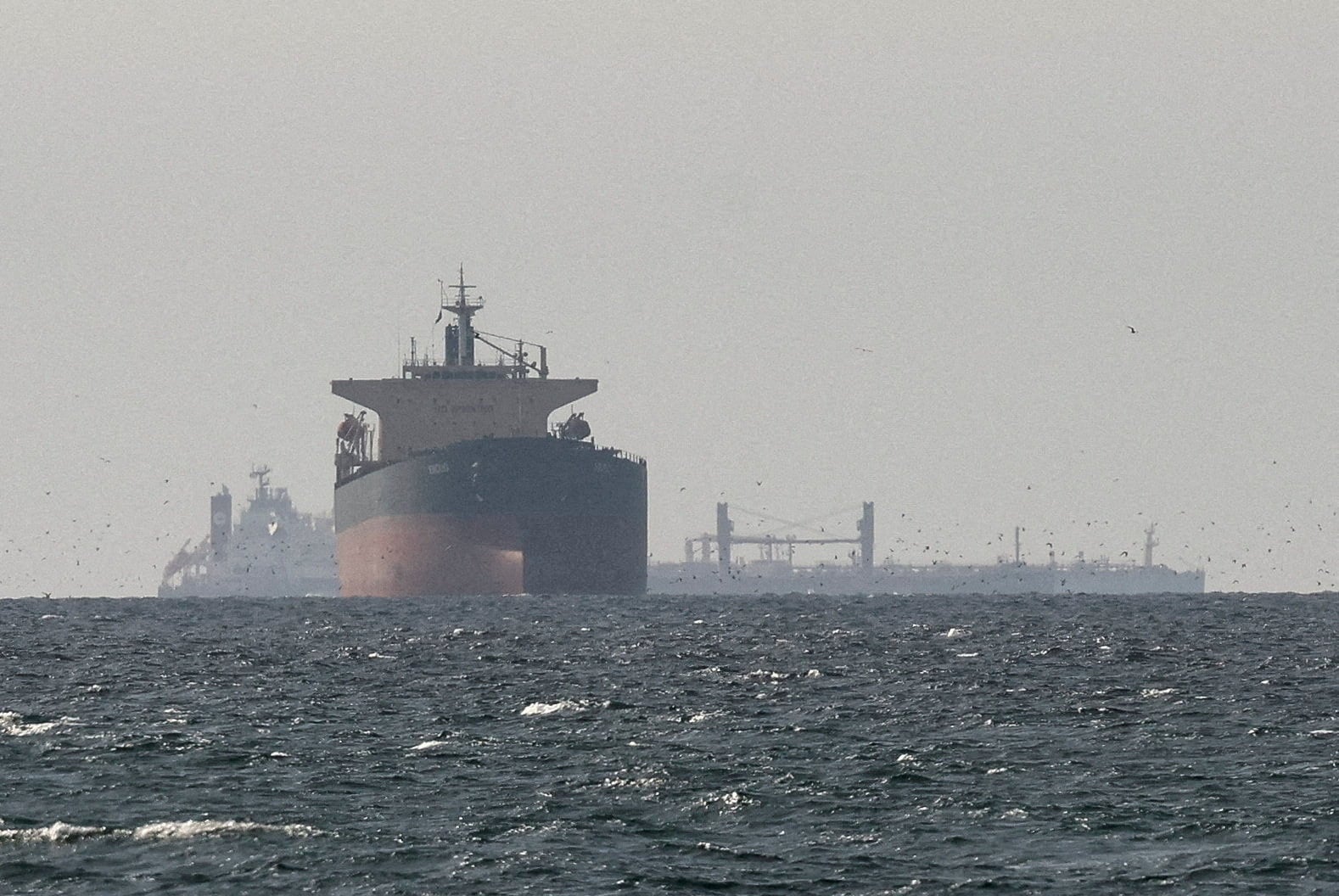
U.S. President Donald Trump has demanded that the Strait of Hormuz be fully opened for all ships within 48 hours. He stated that if this does not happen, Iranian power plants will become military targets. Iran’s government responded by saying the water path is already open, but they will not allow ships from "enemy" nations to pass. Meanwhile, the military situation has worsened. Iran launched several waves of missiles at the Dimona nuclear site in Israel. In return, the Israeli military bombed weapon storage areas and factories in Tehran that make parts for missiles.
Important Numbers and Facts
The attack on the Dimona site involved five separate groups of missiles and left 40 people injured. In another strike on the town of Arad, 59 more people were hurt. This conflict has now been going on for 22 days, marking the start of the fourth week of active fighting. The 48-hour clock set by the U.S. began at midnight, creating a very short window for a diplomatic solution before more attacks occur.
Background and Context
The Strait of Hormuz is one of the most important places in the world for trade. About 20% of the world's oil moves through this narrow stretch of water. If it is blocked, the price of fuel could go up very quickly in every country. The Dimona site is also a major point of concern because it is the center of Israel's nuclear research. Any damage to a nuclear facility carries the risk of radiation leaks, which could harm people and the environment for a long time. So far, international experts say no radiation has been found, but the danger remains as long as missiles are being fired.
Public or Industry Reaction
The head of Iran’s parliament, Mohammad Baqer Qalibaf, has been very vocal about Iran's plan to strike back. He warned that the damage to the region's infrastructure would be "irreversible." At the same time, the International Atomic Energy Agency (IAEA) is closely watching the situation to ensure nuclear safety. Shipping companies are also reacting by moving their vessels away from the area. Many businesses are worried that if the Strait of Hormuz stays closed or becomes a battle zone, they will not be able to move their goods safely.
What This Means Going Forward
The next two days are critical for the region. If the U.S. deadline passes without a change in the situation, we may see a large increase in air strikes against Iranian energy sites. This could lead to a chain reaction where other countries in the Middle East see their power and oil facilities attacked in revenge. Military leaders are preparing for more fighting, while world leaders are looking for ways to prevent the war from growing even larger. The risk of a total regional shutdown of electricity and fuel is now a real possibility.
Final Take
This conflict is no longer just a local issue between a few nations. It has become a direct threat to the global economy and regional safety. With both sides threatening to destroy essential services like power and fuel, the stakes have never been higher. The coming hours will show if the situation can be calmed down or if the region will suffer damage that lasts for decades.
Frequently Asked Questions
Why is the Strait of Hormuz so important?
It is a narrow water passage that connects oil-producing countries in the Middle East to the rest of the world. A large portion of the world's oil supply must pass through this area to reach international markets.
Is there a radiation danger after the attack on Dimona?
The International Atomic Energy Agency (IAEA) has checked the area and reported that there are no abnormal levels of radiation. However, they continue to monitor the site closely because of the ongoing missile strikes.
What is the 48-hour deadline about?
U.S. President Donald Trump set this deadline for Iran to stop making threats and fully open the Strait of Hormuz to all international shipping. If the deadline is not met, the U.S. has threatened to attack Iranian power plants.