Summary
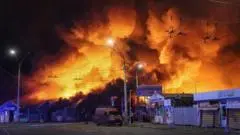
A major attack on Iran’s energy infrastructure has caused a sharp increase in Middle East tensions. On Wednesday, March 18, 2026, explosions hit petrochemical plants in the South Pars region, which houses the largest gas field in the world. This event marks the first time in three weeks that energy production sites have been targeted in the ongoing conflict. The strike has already caused global energy prices to rise and led to threats of immediate retaliation from the Iranian government.
Main Impact
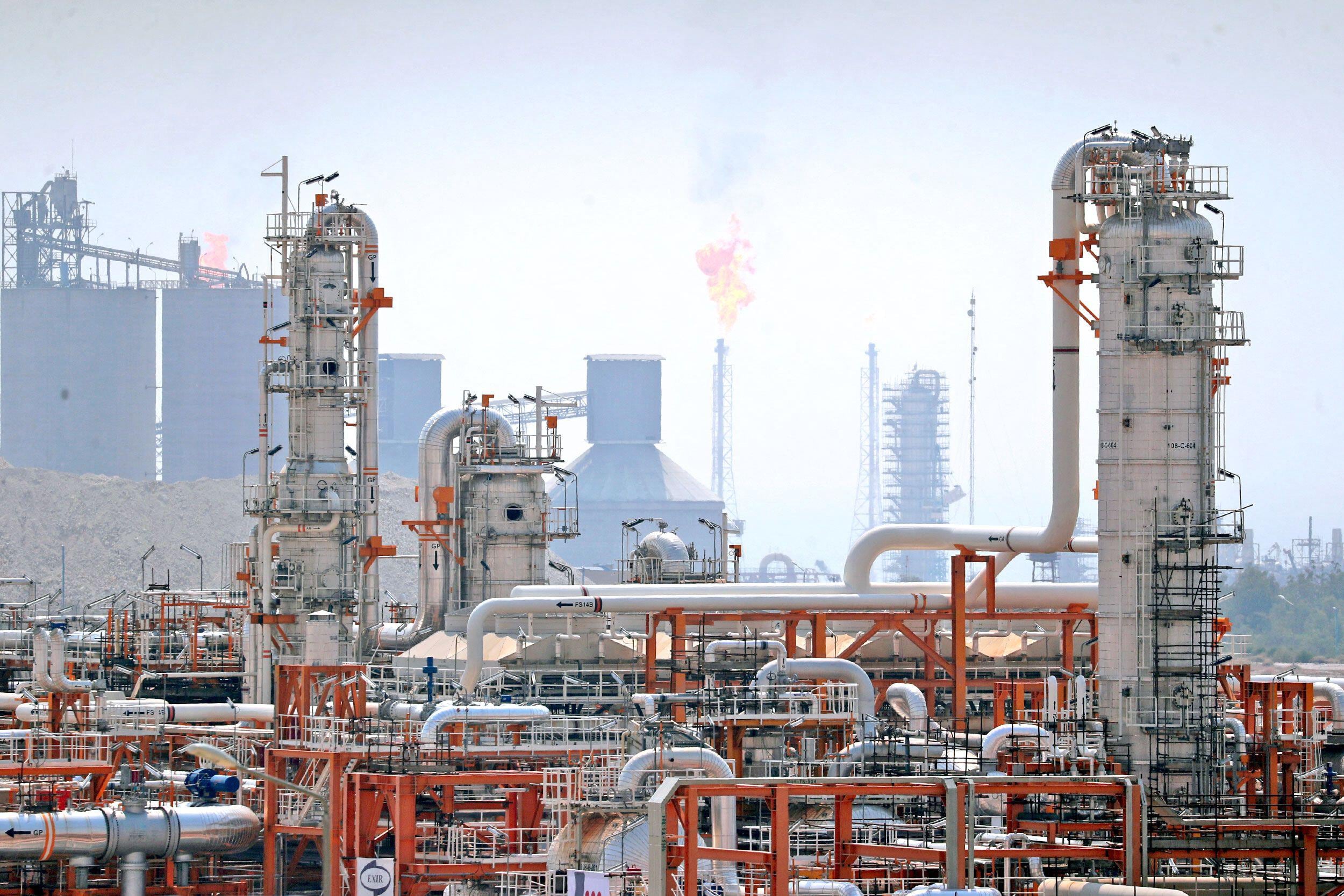
The primary impact of this attack is the direct threat to global energy security. By targeting the South Pars Special Economic Energy Zone, the attackers have hit the heart of Iran’s economy and a vital source of world gas supplies. This move has moved the conflict beyond military targets and into the economic sector. As a result, international markets reacted quickly, with the cost of oil and natural gas jumping within minutes of the news. There is now a high risk that the war could spread to other energy-producing nations in the Persian Gulf.
Key Details
What Happened
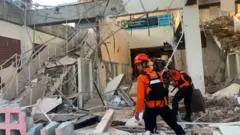
The attack focused on petrochemical facilities located in South Pars. This area is a massive industrial zone where Iran processes natural gas from an underwater field it shares with Qatar. While the explosions caused significant damage, neither Israel nor the United States has officially claimed responsibility for the strike. However, reports from Israeli media suggest that the operation was carried out by Israeli forces with the approval of the U.S. government. The timing of the attack is significant, as it ends a period where energy sites were generally avoided during the fighting.
Important Numbers and Facts
The South Pars field is recognized as the largest single source of natural gas on the planet. Because of its size, any disruption there has a global effect. Immediately following the reports of the bombing, the price of Brent crude oil saw a sharp increase. Similarly, the TTF gas price, which is the main benchmark for energy costs in Europe, also spiked. Iran has responded by stating it will take action within the next few hours. They have specifically threatened to target oil and gas facilities across the entire Gulf region in return.
Background and Context
To understand why this matters, one must look at how energy drives the modern world. Iran relies heavily on its gas and oil exports to keep its economy running. South Pars is not just a local facility; it is a massive project that connects Iran and Qatar. For years, energy infrastructure was seen as a "red line" that neither side wanted to cross, fearing that a total energy war would destroy the global economy. By hitting these plants, the attackers have signaled that they are willing to take much bigger risks to weaken Iran’s power. This change in strategy suggests that the conflict is entering a much more dangerous and unpredictable phase.
Public or Industry Reaction
The reaction from neighboring countries was swift and filled with concern. Qatar and the United Arab Emirates (UAE) have both criticized the attack on Iranian soil. These nations are in a difficult position because they share the same waters and have their own massive energy projects nearby. They fear that if Iran retaliates, their own facilities could be caught in the crossfire. Meanwhile, energy analysts are warning that if the situation does not calm down, consumers around the world will see higher prices for gasoline and home heating. Financial experts are watching the situation closely to see if the Strait of Hormuz, a key shipping route for oil, will be affected by future military actions.
What This Means Going Forward
The next few days will be critical for the region and the world. If Iran follows through on its promise to attack other energy sites in the Gulf, the world could face a major energy crisis. Such a move would likely draw more countries into the war. There is also the question of how the United States will respond if the conflict continues to grow. For now, the focus is on whether diplomatic efforts can stop the cycle of revenge. If the fighting continues to target energy plants, the economic damage could last for years, even after the military conflict ends. Investors are likely to remain nervous, keeping energy prices high for the foreseeable future.
Final Take
This attack has changed the nature of the current war by making energy a primary target. It shows that the old rules of the conflict no longer apply. While the goal may have been to weaken Iran, the consequences are being felt by everyone through rising prices and increased fear of a wider war. The world is now waiting to see if this was a one-time event or the start of a full-scale energy war that could change the global economy forever.
Frequently Asked Questions
What is South Pars and why is it important?
South Pars is the largest natural gas field in the world. It is located in the Persian Gulf and is shared between Iran and Qatar. It is the most important part of Iran's energy industry and a major source of fuel for the global market.
How did the markets react to the attack?
Energy prices went up immediately. Both Brent crude oil and European natural gas prices saw significant increases as traders worried about a shortage of supply and the possibility of more attacks in the region.
Who is responsible for the bombing?
No country has officially taken credit for the attack. However, many reports and media outlets in the region point to Israel as the likely actor, possibly with support or permission from the United States.