Summary
Recent tensions in the Middle East involving Iran have created a lot of uncertainty in global financial markets. While this causes stress for many investors, it has made a specific retirement strategy—fixed-rate guaranteed income—more attractive than it has been in decades. High interest rates, driven by the need to control inflation during global crises, are allowing retirees to lock in reliable returns that were not available just a few years ago. This shift offers a way for people to protect their savings while the rest of the world deals with economic instability.
Main Impact
The biggest impact of the current Iran crisis on personal finance is the rise in interest rates. When geopolitical trouble starts, oil prices often go up, which makes everything else more expensive. To stop this inflation from getting out of control, central banks keep interest rates high. For people planning their retirement, these high rates are actually good news. They mean that financial products like fixed annuities and high-yield bonds now pay out much more money than they did during the last twenty years of low interest rates.
Key Details
What Happened
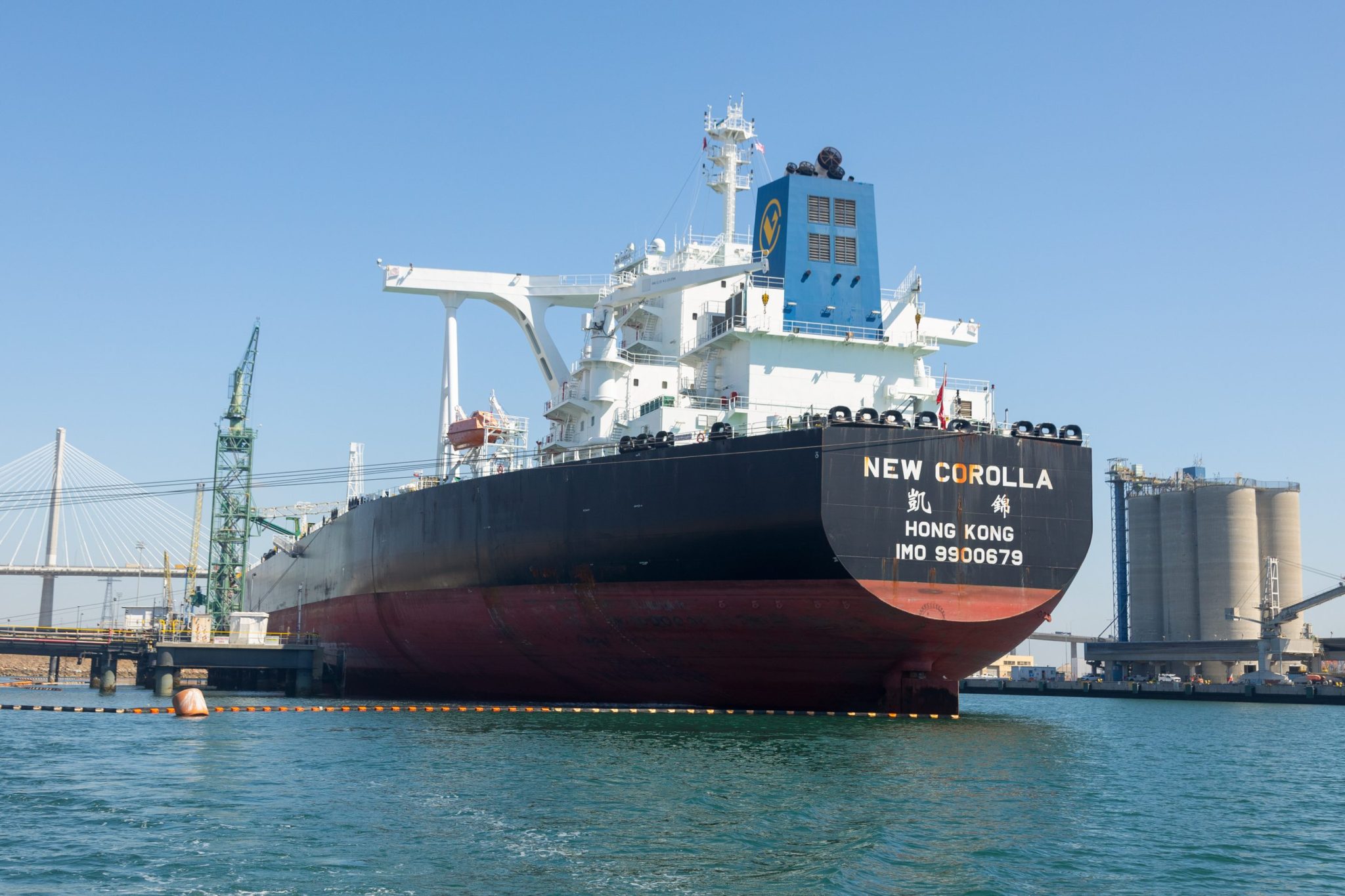
The crisis involving Iran has led to concerns about trade routes and energy supplies. When investors get worried about a possible war or trade blocks, they move their money out of risky stocks and into safer options. At the same time, the cost of energy stays high, forcing the government to keep interest rates at elevated levels to prevent the economy from overheating. This combination has created a "perfect storm" for savers who want to avoid the ups and downs of the stock market.
Important Numbers and Facts
In previous years, a standard retirement account might have struggled to earn 2% or 3% in a safe bank account or bond. Today, because of the economic reaction to global tensions, many fixed-income products are offering between 5% and 6% guaranteed returns. For someone with a $500,000 retirement fund, this is the difference between making $15,000 a year and $30,000 a year without taking any extra risk. Oil prices have also stayed above $90 per barrel, which keeps the pressure on the economy and ensures these high interest rates stay in place for the foreseeable future.
Background and Context
For a long time, the world experienced very low inflation and very low interest rates. This forced retirees to put their money into the stock market if they wanted to see their savings grow. However, the stock market can be very scary when there is a threat of international conflict. If a major crisis happens, stock prices can drop quickly, leaving retirees with less money than they started with. The current situation with Iran has reminded everyone that the world can be an unpredictable place. Because of this, the strategy of using "guaranteed" financial tools has become popular again. It is a return to an older way of planning for the future where safety is more important than fast growth.
Public or Industry Reaction
Financial advisors are reporting a massive increase in phone calls from clients who want to move their money into safer accounts. Many people who are within five to ten years of retirement are choosing to "lock in" these high rates now. They fear that if the crisis ends or the economy slows down too much, interest rates will drop again. Industry experts say that we are seeing a "flight to safety" that hasn't happened on this scale since the early 2000s. People are tired of the volatility and are choosing the peace of mind that comes with a set monthly check.
What This Means Going Forward
As long as the situation in the Middle East remains tense, energy prices will likely stay high. This means the window to take advantage of these high-interest retirement strategies will stay open for a while. However, if a peaceful resolution is found quickly, interest rates might start to fall. Retirees need to decide if they want to act now to secure their income or wait to see if rates go even higher. The risk of waiting is that the market could change suddenly. For most, the goal is to create a plan that works regardless of what happens in international politics.
Final Take
While global conflict is never a good thing, the economic side effects have created a rare opportunity for those looking to retire. By moving away from the risks of the stock market and toward guaranteed income, many people are finding a sense of security they haven't felt in years. The current crisis serves as a reminder that a good retirement plan should be able to withstand global shocks while taking advantage of the unique opportunities they create.
Frequently Asked Questions
Why do interest rates go up during a crisis?
Crises often lead to higher costs for oil and goods. To prevent these rising costs from causing too much inflation, central banks raise interest rates to slow down spending and stabilize the currency.
What is a fixed annuity?
A fixed annuity is a contract with an insurance company. You give them a sum of money, and they promise to pay you a set amount of interest or a regular monthly check for a specific period or for the rest of your life.
Is it risky to move all my money into safe assets?
While safe assets protect you from losing money in the stock market, they might not grow as fast as stocks over a long period. Most experts suggest a balance, but the current high rates make safe assets much more useful than they used to be.