Summary
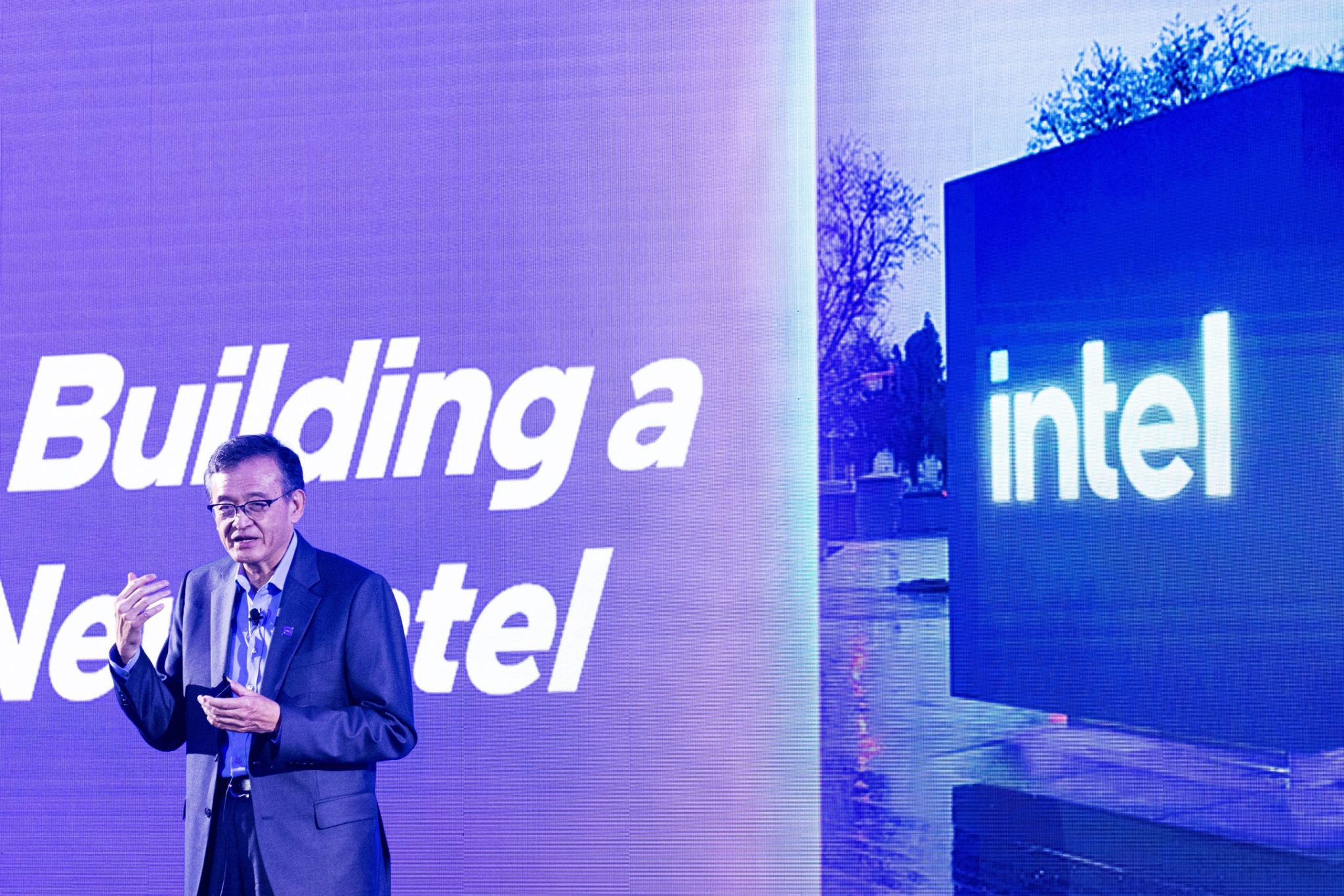
Intel is experiencing a massive comeback that has surprised many investors in the tech world. After years of falling behind rivals like Nvidia and AMD, the company’s stock price recently hit a record high. This surge is driven by a huge demand for chips used in artificial intelligence and a new business strategy led by CEO Lip-Bu Tan. The company’s latest financial reports show that Intel is now a major player in the AI era, moving past its previous reputation for slow growth.
Main Impact
The most immediate impact of this news is the explosive growth in Intel’s market value. On a single Friday, the company’s share price jumped by 24% following a very strong revenue forecast. For the year 2026, the stock has already risen by 120%. This change marks a turning point for a company that many thought had missed the boat on modern technology. By securing big-name customers like Tesla and gaining support from the US government, Intel has regained its status as a leader in the global semiconductor industry.
Key Details
What Happened
Intel announced that it expects to bring in $14.8 billion in revenue for the June quarter. This "blockbuster" forecast was much higher than what experts had predicted. The growth is coming from a shift in how artificial intelligence works. In the past, AI relied on one giant computer model. Now, the industry is moving toward "agentic" models. This means instead of one big program, there are hundreds of smaller AI agents working together. These agents need to talk to each other constantly, and Intel’s central processing units (CPUs) are the best tools for managing that communication.
Important Numbers and Facts
Several key figures highlight Intel's recent success. The company’s stock price growth of 120% this year is one of the highest in the tech sector. Additionally, the US government now owns a 10% stake in the company. The government originally invested $8.9 billion into Intel, and that investment is now worth an estimated $36 billion. This financial backing has given Intel the stability it needs to take risks and build new partnerships with other tech giants like Softbank and Nvidia.
Background and Context
To understand why this is such a big deal, it helps to look at Intel’s history. For decades, Intel was the most important chipmaker in the world, mostly making parts for personal computers. However, as the world moved toward smartphones and advanced AI, Intel struggled. They famously turned down a deal to make chips for the first iPhone in 2007 because they did not think it would be successful. This mistake allowed other companies to take the lead. For a long time, Intel was seen as a company that was stuck in the past. The current leadership is determined not to repeat those old mistakes with the AI revolution.
Public or Industry Reaction
The reaction from the industry has been a mix of surprise and excitement. When Lip-Bu Tan took over as CEO in early 2025, some investors were worried about his plan to issue more stock to fund partnerships. They feared this would lower the value of existing shares. However, those fears disappeared when the partnerships began to show results. Even political leaders have changed their minds. Donald Trump initially questioned Tan’s leadership due to his past business links in China. After a personal meeting, however, the administration became a major supporter, leading to the multi-billion dollar government investment.
What This Means Going Forward
Looking ahead, Intel is focusing on its role as an American manufacturing powerhouse. While the company still does business in China, it is working closely with the US government to ensure domestic technology remains strong. The demand for server CPUs is expected to stay high as more companies adopt complex AI systems. Intel’s main challenge will be keeping up with this demand. They must ensure their factories can produce enough chips to satisfy customers like Tesla and OpenAI. If they can maintain this pace, Intel may stay at the top of the tech world for years to come.
Final Take
Intel has successfully changed its story from a struggling legacy brand to a modern AI powerhouse. By identifying a specific need in how AI models communicate, the company found a way to make its core products essential again. The combination of smart leadership, government support, and a bit of historical caution has put Intel back in a winning position. The tech world is watching closely to see if this momentum can last, but for now, Intel is once again a giant that cannot be ignored.
Frequently Asked Questions
Why did Intel's stock price go up so much?
The stock price rose because Intel released a very strong financial forecast and showed that its chips are in high demand for new AI technologies. Investors are confident in the company's new direction under CEO Lip-Bu Tan.
What is an agentic-model in AI?
An agentic-model is a system where many small AI programs, called agents, work together to solve problems. This is different from older systems that used one single, massive program. These agents require CPUs to manage their communication.
Does the US government own part of Intel?
Yes, the US government took a 10% stake in Intel for $8.9 billion. Due to the recent rise in stock price, that investment is now worth about $36 billion.