
Summary
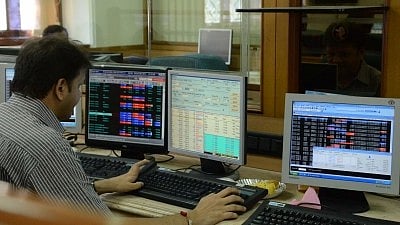
Investors in the Indian stock market have seen their wealth drop by a massive Rs 33.68 lakh crore in only two weeks. This sharp decline follows the start of a serious military conflict in West Asia that has caused global worry. As fighting continues, the price of crude oil has jumped, making investors nervous about the future of the global economy. The loss reflects a deep concern that the war could last a long time and disrupt trade across the world.
Main Impact
The biggest impact of this conflict has been the sudden and heavy loss of money for people who own stocks in India. Since the trouble began in late February, the total value of all companies listed on the Bombay Stock Exchange (BSE) has fallen significantly. This is not just a small dip; it represents a loss of over 8% in the main market index. When the market loses this much value so quickly, it affects everything from large pension funds to individual savings accounts.
Key Details
What Happened
The current crisis started to worsen around February 27 and 28. Military actions involving the United States, Israel, and Iran led to a major escalation in the region. Following these events, Iran launched several attacks on military bases in the Gulf. This back-and-forth fighting has made the Middle East very unstable. Because this region is the world's biggest source of oil, any sign of war there immediately causes panic in the financial markets.
Important Numbers and Facts
The data shows how quickly the market reacted to the news. The BSE Sensex, which tracks the 30 largest companies in India, fell by 6,723 points in just 14 days. This is a drop of about 8.27 per cent. On a single Friday alone, the index crashed by nearly 1,500 points. At the same time, the price of Brent crude oil rose to nearly $100 per barrel. This is a very high price that makes it more expensive for countries like India to buy the fuel they need to keep their economy running.
Background and Context
To understand why a war in West Asia hurts Indian stocks, we have to look at oil and shipping. A huge amount of the world's oil—about 20 per cent—passes through a very narrow water path called the Strait of Hormuz. Iran has the power to slow down or stop ships from moving through this area. If oil cannot move freely, the price goes up for everyone. India is especially sensitive to this because it imports most of the oil it uses. When oil prices rise, it costs more to transport goods, run factories, and fly planes. This leads to higher prices for consumers and lower profits for businesses.
Public or Industry Reaction
Market experts are warning that the situation remains very risky. Many analysts say that as long as the fighting continues, investors will likely keep selling their stocks to move their money into safer options like gold. This "risk-off" mood means people are afraid of losing more money if the war gets worse.
Specific industries in India are already feeling the pain. Oil marketing companies like HPCL and BPCL saw their share prices fall because high crude costs hurt their business. Paint companies were also hit hard. This is because paint is made using chemicals that come from oil. When oil is expensive, it costs more to make paint, which worries the people who own shares in those companies. Additionally, foreign investors have been taking their money out of India and moving it back to their home countries or into safer assets.
What This Means Going Forward
The next few weeks will be critical for the markets. If the conflict in West Asia cools down, stocks might start to recover some of their lost value. However, if the fighting spreads to more countries or if the Strait of Hormuz is blocked for a long time, oil prices could stay at $100 or even go higher. This would be bad news for the Indian economy. Investors will be watching the news closely for any signs of peace talks or further military strikes. For now, the mood on "D-Street" remains cautious and fearful.
Final Take
The massive loss of Rs 33.68 lakh crore shows how connected the Indian stock market is to global events. Even though the fighting is happening far away, the impact on oil prices and trade routes has a direct effect on the wallets of Indian investors. This situation serves as a reminder that geopolitical peace is often the foundation of a healthy and growing stock market.
Frequently Asked Questions
Why does a war in the Middle East make Indian stocks fall?
War in that region causes oil prices to rise. Since India buys a lot of oil from other countries, higher prices make it more expensive for Indian companies to operate, which leads to lower stock prices.
What is the Strait of Hormuz and why is it important?
It is a narrow waterway that connects the Persian Gulf to the rest of the world. About one-fifth of the world's oil passes through it. If it is closed or disrupted, global oil supplies drop and prices skyrocket.
Which companies are affected the most by rising oil prices?
Companies that use oil as a raw material, such as paint and chemical manufacturers, are hit hard. Airlines and shipping companies also suffer because their fuel costs go up significantly.

